Rio Court Denies Compensation to Fighter Imprisoned for Nearly 6 Years for Crime He Didn't Commit
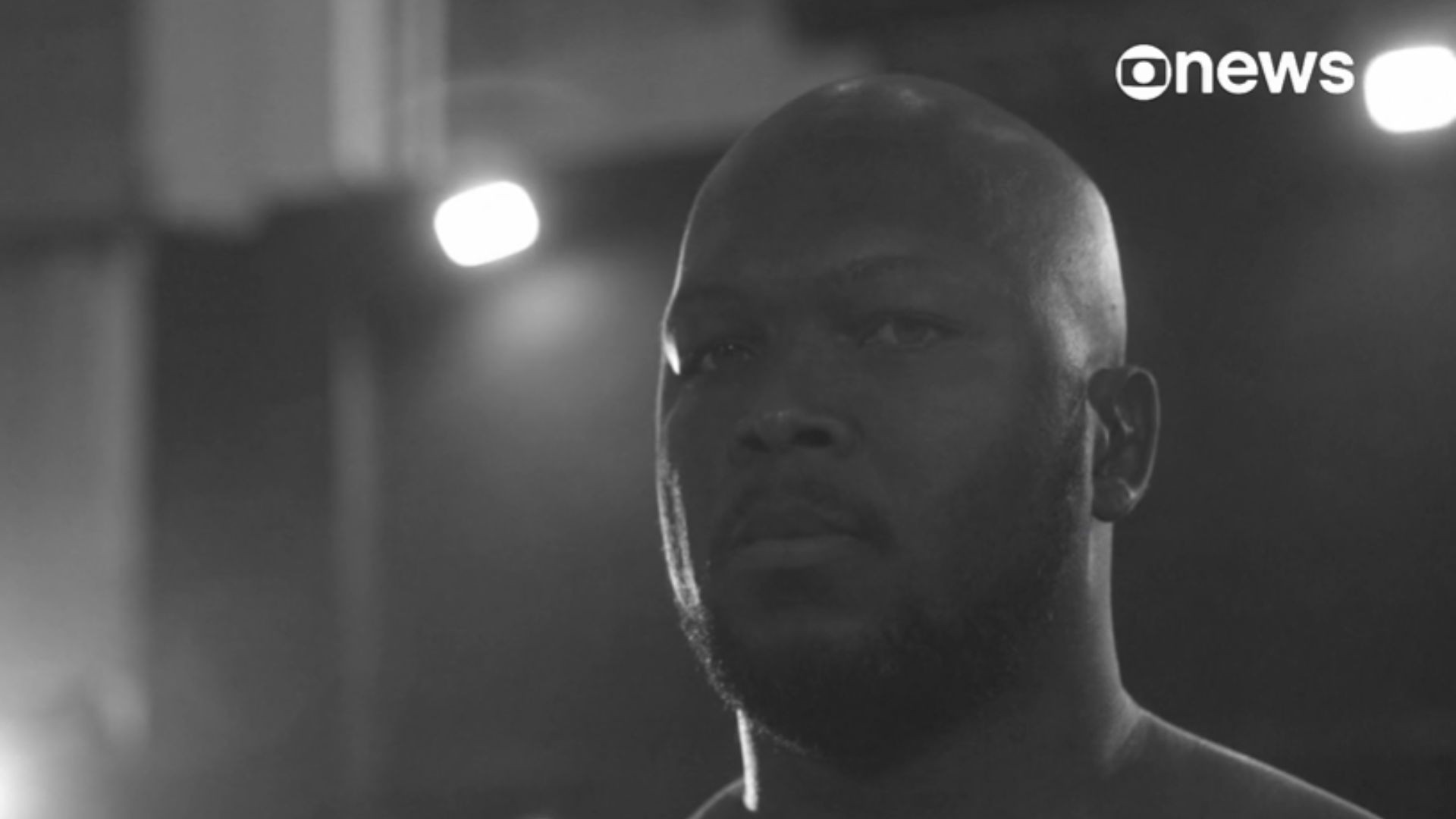
The Court of Justice of Rio de Janeiro (TJRJ) has denied a compensation request from fighter Sílvio José da Silva, known as Pantera, who was unjustly imprisoned for nearly six years. By a vote of 3 to 2, the court ruled that the state is not liable for the wrongful conviction. Pantera was convicted in 2017 for an assault and robbery that occurred in Irajá, Rio de Janeiro, in November 2015. He was implicated after the victim, shown his photo by police, identified him, despite police allegedly falsely informing the victim that Pantera had confessed. Pantera maintained his innocence, and his alibi, being at a gym training session at the time of the crime, was initially insufficient. He was sentenced to 16 years in prison. His case was overturned by the Superior Court of Justice (STJ) in 2021, which found the photographic identification process to be flawed and illegally obtained. After 2,174 days in prison, Pantera was released. He subsequently sued the state for moral damages, seeking reparation for the immense suffering and disruption to his life, including the loss of his career and impact on his family. The TJRJ decision, however, characterized the wrongful conviction as a "normal risk" of judicial activity, with the reporting judge stating that judicial errors occur daily and citizens are subject to disappointments from legal processes. Pantera currently works as an app delivery driver and teaches boxing to children in Rio's communities, facing ongoing prejudice and stigma.
This case highlights the profound societal and individual costs of judicial error, particularly when wrongful convictions lead to prolonged imprisonment. The TJRJ's decision to deny compensation, framing the error as a "normal risk" of judicial activity, raises critical questions about accountability and the state's responsibility to its citizens. While acknowledging the inherent fallibility of any human system, the ruling appears to prioritize the finality of judicial processes over the redress of severe individual harm. This perspective may inadvertently disincentivize rigorous due diligence in investigations and trials, as the burden of error is effectively placed on the unjustly accused. Moving forward, legal systems must continually evaluate mechanisms for identifying and rectifying wrongful convictions, ensuring that compensation is not merely an act of charity but a fundamental component of justice that reinforces public trust and upholds the principle of state accountability. The long-term implications for societal faith in the justice system, especially for those from marginalized communities, warrant careful consideration.
AI-generated to prompt reflection — not editorial opinion, not advice, not a statement of fact. How this works.
