Rio Court Upholds Ban on Sugarloaf Mountain Zipline Project
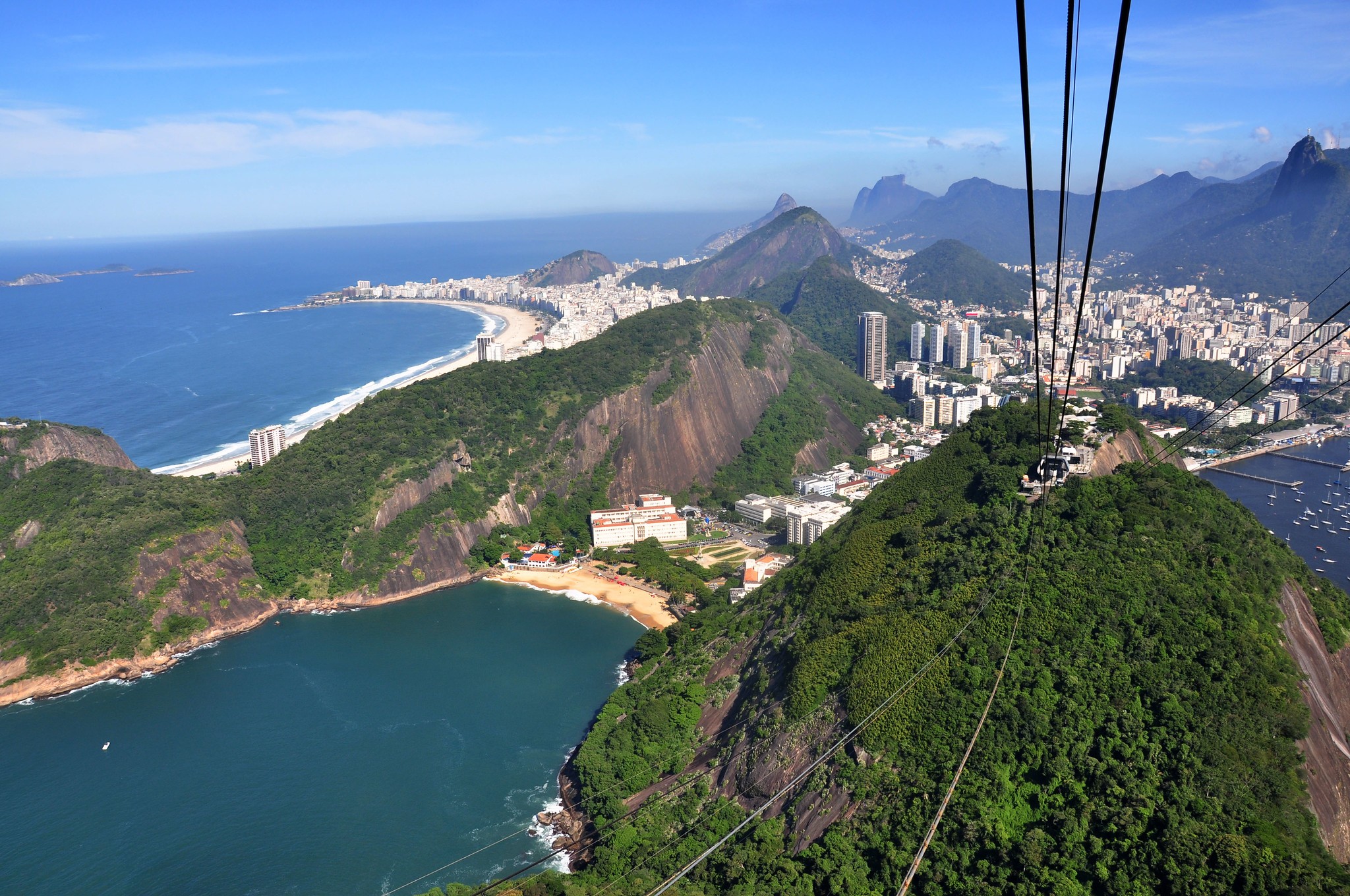
A federal court in Rio de Janeiro has denied an appeal by Companhia Caminho Aéreo Pão de Açúcar, upholding a previous decision that prohibits the construction of a zipline at the iconic Sugarloaf Mountain complex. The zipline was intended to connect Sugarloaf Mountain with the Morro da Urca. Federal Judge Luiz Norton Baptista de Mattos of the TRF-2 ruled that the initial decision, which nullified the project's license, has immediate effect and overrides administrative approvals. The court found that environmental impacts from rock cutting are irreversible, unlike potential economic losses which can be compensated later. Construction has been halted since March of this year. The original ruling from the 20ª Vara Federal do Rio also mandated the company to present a recovery plan for the degraded area and pay R$ 30 million for collective moral damages. The company had argued the project was nearly complete and its interruption would harm tourism and create legal uncertainty. The judge emphasized the symbolic and environmental significance of the Sugarloaf Mountain site, a UNESCO World Heritage site since 2012 and listed by Iphan since 1973. The project, proposed in 2022 for the cable car's 110th anniversary, involved four zipline routes totaling approximately 755 meters. Concerns about environmental impact and rock drilling arose in 2023, leading to initial work stoppages and a halt by the Federal Justice system at the request of the Federal Public Ministry. The UNESCO body had previously expressed concern about potential loss of World Heritage status. A prior ruling by the Superior Court of Justice in June 2025 had authorized the continuation of works, but the current Federal Justice decision effectively blocks the zipline's installation pending further appeals.
This judicial decision highlights a fundamental tension between economic development, tourism initiatives, and the preservation of globally significant natural and cultural heritage sites. The court's emphasis on the irreversible nature of environmental damage versus the reparable nature of economic loss underscores a precautionary principle in environmental law. The legal process demonstrates the complex interplay between administrative licensing, public interest, and judicial review, especially when projects impact UNESCO World Heritage sites. Future developments will likely hinge on how effectively proponents can demonstrate minimal environmental impact and robust public consultation, while regulatory bodies must ensure stringent adherence to heritage protection protocols to maintain the integrity and designation of such invaluable locations.
AI-generated to prompt reflection — not editorial opinion, not advice, not a statement of fact. How this works.