Rio de Janeiro: 40,000 Homes Still Without Power Two Days After Severe Windstorm
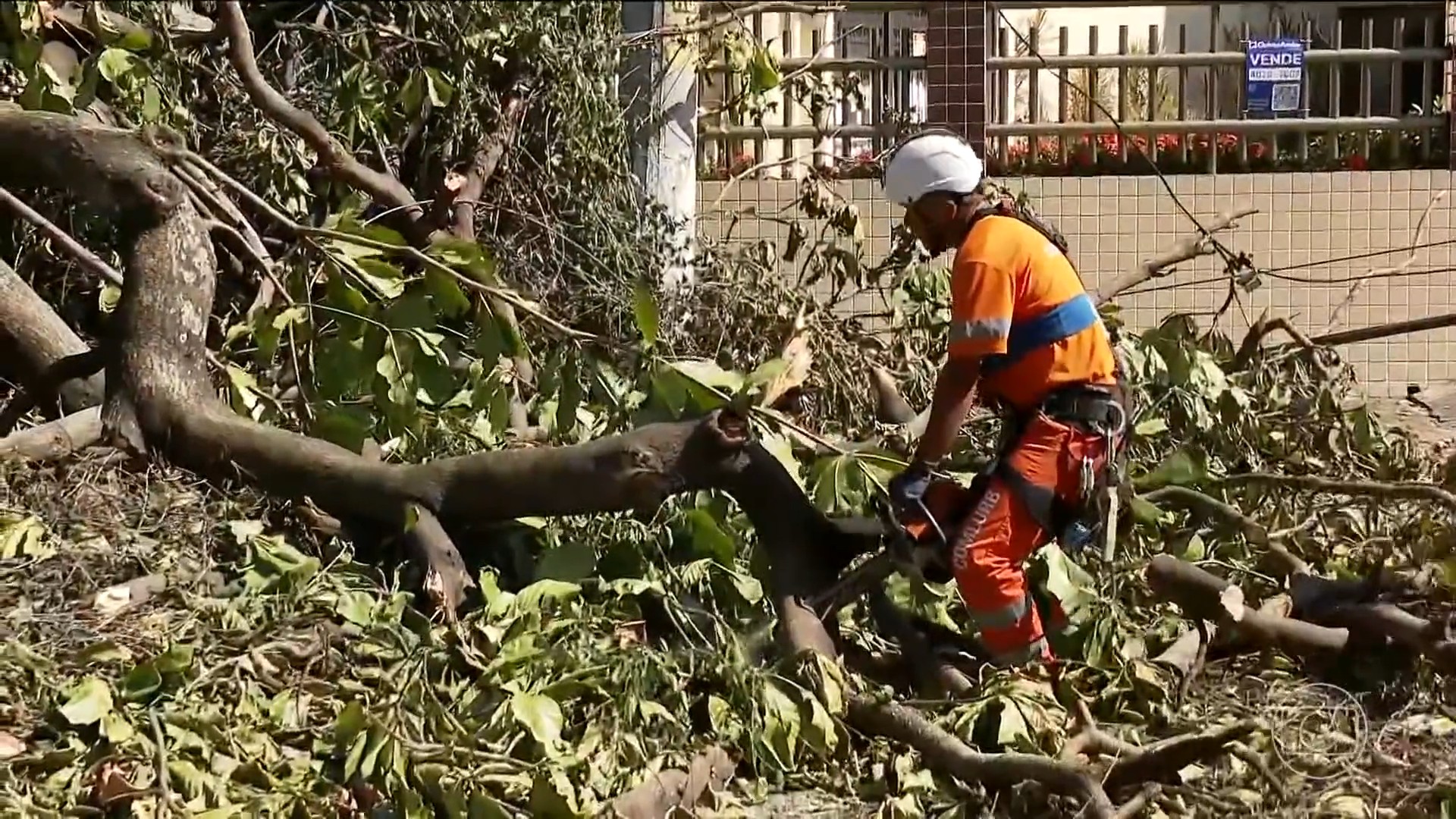
Two days after a powerful windstorm swept through Rio de Janeiro, approximately 40,000 homes remain without electricity. The storm, which lasted about three hours, caused widespread destruction across the Metropolitan Region and Baixada Fluminense. Utility companies Light and Enel are still working to clear streets and repair damaged electrical infrastructure, with over 50 hours passed since the event. In Mesquita, a bus garage sustained damage, while Nova Iguaçu saw public courts destroyed by the wind. The city's urban cleaning company is also busy removing fallen trees and branches from roadways. Residents are facing significant challenges, including the spoilage of food due to the prolonged power outage. At the Ibama Wildlife Animal Screening Center in Seropédica, 400 kilograms of food stored in refrigerators are at risk. The lack of electricity has also led to protests in several municipalities. One condominium complex in the North Zone, housing 380 apartments in one building and over a thousand units in adjacent blocks, experienced power loss since Wednesday evening, affecting around 5,000 residents. This outage has severely impacted residents' ability to work from home, preserve food, and navigate their buildings without functioning elevators. For some, like a seamstress with fibromyalgia, the inability to use elevators and the darkness posed significant physical difficulties. Power was reportedly restored to some affected condominiums shortly after the news report.
The severe windstorm in Rio de Janeiro highlights the vulnerability of urban infrastructure to extreme weather events, exacerbated by the prolonged power outages affecting tens of thousands of homes. This situation underscores the critical need for utility providers to enhance grid resilience and emergency response protocols. The incident also points to systemic challenges in urban planning and maintenance, where the impact of natural disruptions can be amplified by dependencies on essential services like electricity. Future investments should prioritize hardening infrastructure against climate-related risks and improving communication strategies with affected populations during prolonged outages. The economic and social costs of such disruptions, including food spoilage and inability to work, necessitate a proactive approach to disaster preparedness and mitigation, considering the increasing frequency of extreme weather in a changing climate.
AI-generated to prompt reflection — not editorial opinion, not advice, not a statement of fact. How this works.