Rio de Janeiro Adjusts 10 Bus Routes to Improve Service in West Zone and Central Areas
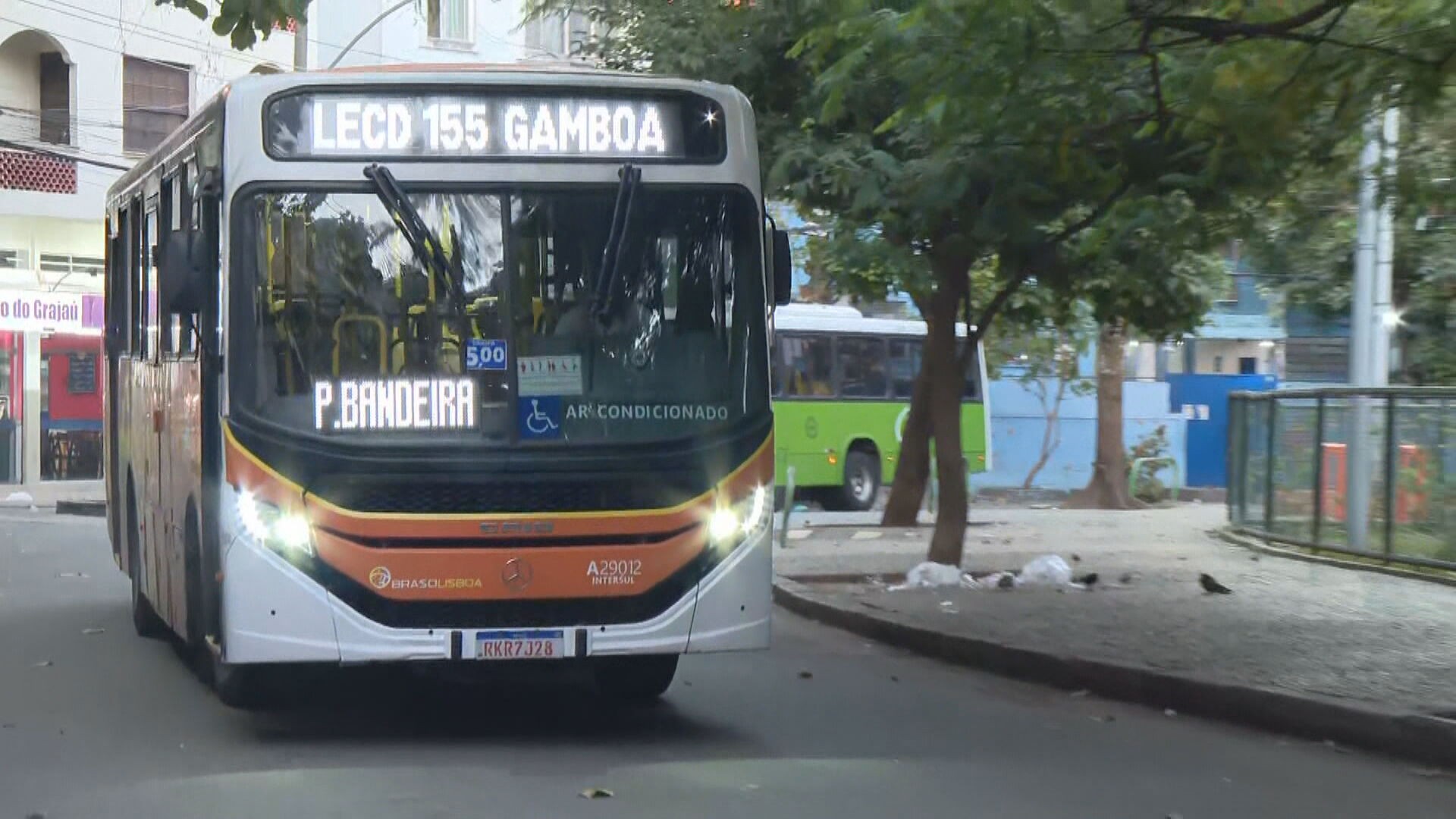
The Municipality of Rio de Janeiro implemented changes to the routes of 10 bus lines circulating within the city, effective Sunday, November 19th. These adjustments are intended to enhance passenger service, particularly for residents in the West Zone and the central regions of the municipality. The affected neighborhoods include Paciência, Cosmos, Inhoaíba, Bangu, Padre Miguel, Realengo, and various central Rio districts.
Several lines have been renamed or have had their itineraries modified. For example, Line LECD 155, formerly line 222, now covers an expanded route from Grajaú to Gamboa, extending to Praça Edmundo Rego and passing through Vila Isabel, Maracanã, Praça da Bandeira, and the Centro, with its final stop at Rua Sacadura Cabral. Line 391 (Padre Miguel x Praça da República) has been renamed SV391 and its route adjusted to include Estrada Manoel Nogueira de Sá, Avenida Marechal Fontenelle, and Avenida Albérico Diniz, re-serving train stations in Quintino and Piedade. Lines 796 and 798, both serving Campo Grande to Terminal Deodoro, now have new starting points in Cosmos and Paciência, respectively, with modified initial segments before following their existing routes. Other changes include new terminal points for lines like 799 (Metrô Pavuna x Bangu) and 856 (Capoeira Grande x Terminal Capoeira Grande), and significant itinerary alterations for SN209 (Candelária x Caju), SN265 (Marechal Hermes x Castelo), SN355 (Madureira x Praça Tiradentes), and SN353/353 (Gardênia Azul x Terminal Gentileza), rerouting them through various key avenues and streets in the central and Lapa areas.
The rerouting of 10 bus lines in Rio de Janeiro signifies a municipal effort to optimize public transportation networks, aiming to better serve key demographic and geographic areas. Such adjustments often reflect a response to evolving urban development patterns, population shifts, and the need to improve connectivity and reduce travel times. Evaluating the long-term impact requires monitoring ridership data, passenger feedback, and potential effects on traffic flow in both the newly served and formerly served corridors. The success of these changes will depend on their ability to create a more efficient and equitable transit system, addressing the inherent tension between centralized planning and the diverse mobility needs of a large metropolitan area, especially as urban populations continue to grow and technological advancements in transportation emerge.
AI-generated to prompt reflection — not editorial opinion, not advice, not a statement of fact. How this works.