Rio de Janeiro: Adolescent gender-based violence surges 600% between 2019 and 2025
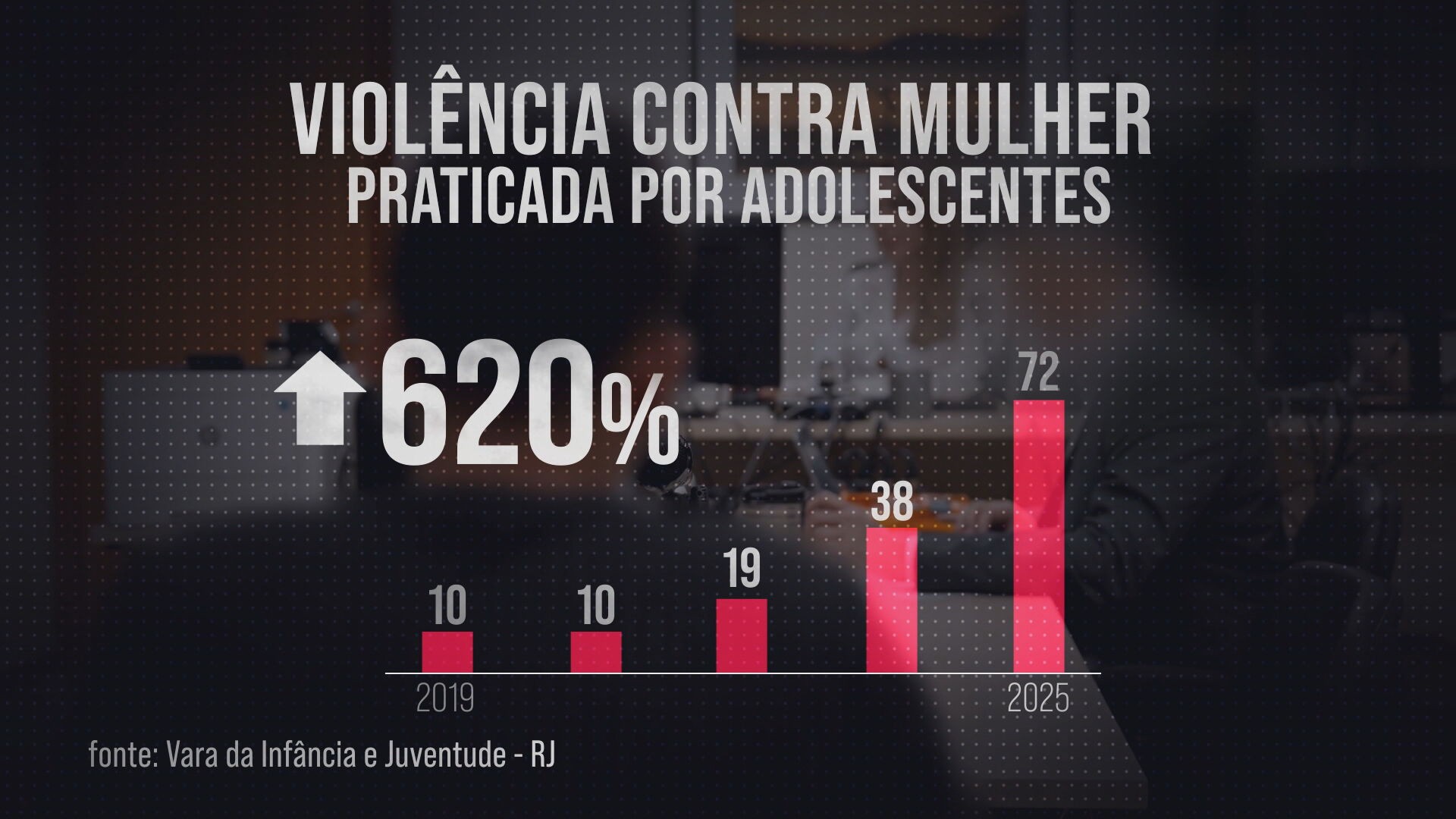
A groundbreaking study from the Rio de Janeiro Juvenile Court reveals a staggering 600% increase in gender-based violence cases perpetrated by adolescents between 2019 and 2025. The number of recorded incidents rose from just 10 in 2019 to 72 in 2025, indicating a significant escalation in this form of violence. The data also highlights a concerning trend of younger perpetrators, with cases now involving boys as young as 12 and 13, a shift from the previous prevalence of 16 and 17-year-olds. Judge Vanessa Cavalieri, head of the Juvenile Court, described the situation as a "worrying escalation," citing an example where a 12-year-old boy broke his mother's arm twice during an argument over screen time. In response to the severity of these cases, the judiciary is increasingly applying protective measures from the Maria da Penha Law, even to adolescent offenders. These measures include prohibiting contact with the victim, restricting proximity, and limiting social media communication, with devices sometimes confiscated to prevent further violence. The study, featured on Globo Repórter, also explores the influence of the "machosfera," online communities promoting male superiority and misogyny, which experts warn are reaching younger audiences through social media algorithms and potentially normalizing violent behavior.
This data indicates a critical societal challenge where online misogynistic content, often amplified by platform algorithms, appears to be correlating with an alarming rise in gender-based violence among very young individuals. The shift towards younger perpetrators suggests that formative influences are increasingly occurring in digital spaces that may lack adequate moderation or counter-narratives. Addressing this trend requires a multi-faceted approach, potentially involving digital literacy programs for adolescents, parental guidance on online content consumption, and a deeper examination of how social media platforms' recommendation engines contribute to the dissemination of harmful ideologies. Understanding the long-term implications of these early-onset behaviors on individual development and societal norms will be crucial for developing effective preventative strategies over the next decade.
AI-generated to prompt reflection — not editorial opinion, not advice, not a statement of fact. How this works.