Rio de Janeiro and Baixada Fluminense Face Potential Water Outages Due to Guandu System Maintenance
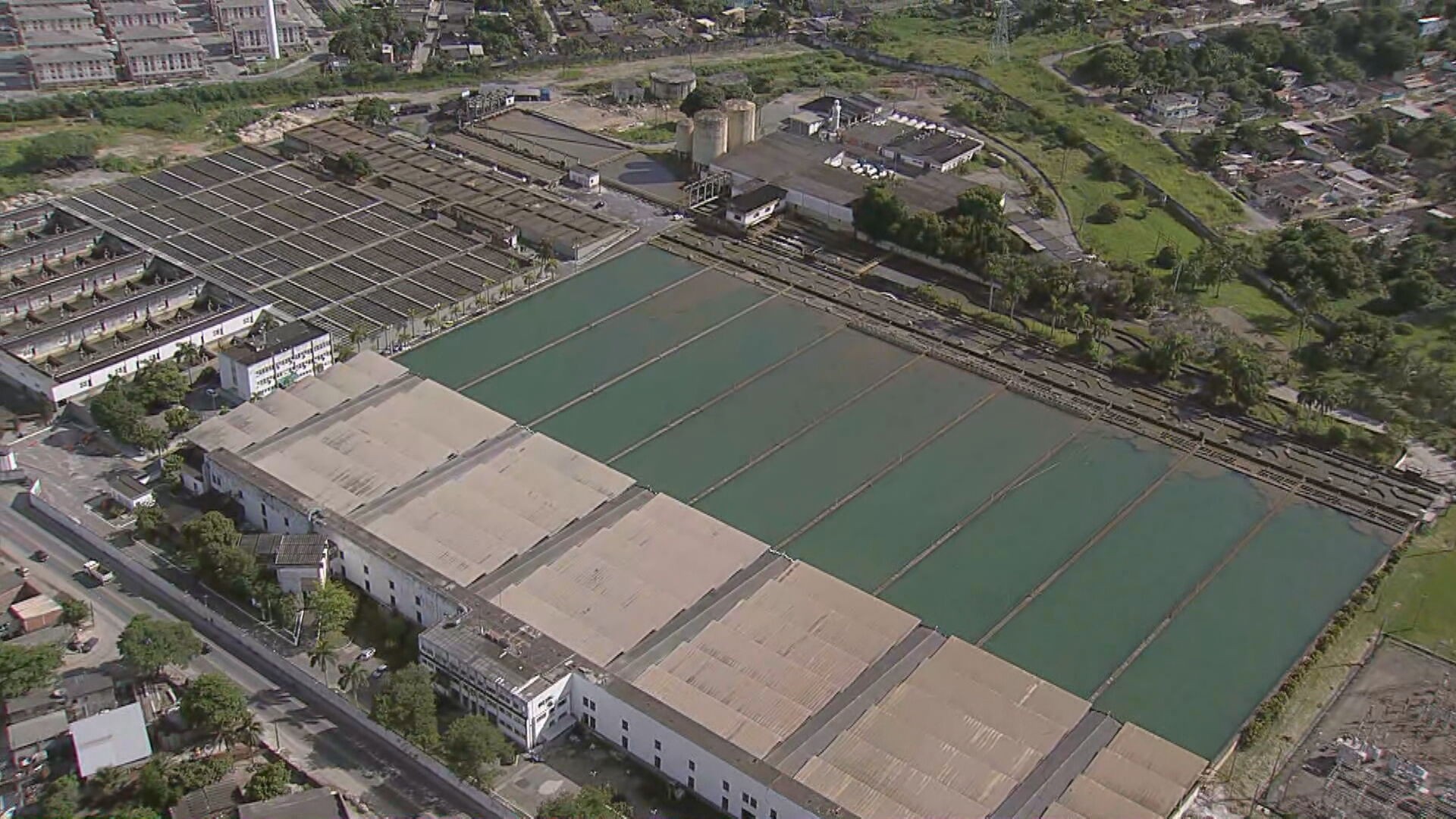
Residents in the capital and Baixada Fluminense regions of Rio de Janeiro may experience water shortages or reduced supply on Tuesday, March 21st. This is due to preventive maintenance scheduled by Cedae on the Guandu Water System from 4 AM to 10 PM. During this period, the Guandu Water Treatment Plant (ETA Guandu) will operate at half capacity. The water distribution concessionaires, Águas do Rio, Iguá Rio, and Rio+Saneamento, will use this reduced production window to carry out improvement works on their respective distribution networks. Cedae stated the maintenance involves inspections of pipelines and equipment within the Guandu System. Following the completion of these services, water production will gradually resume to full capacity. The normalization of the water supply is also expected to be gradual, potentially taking up to 72 hours or more, particularly affecting elevated areas and the extremities of the distribution networks. The specific impact will vary by concessionaire. Águas do Rio will see total supply interruptions in Belford Roxo, Mesquita, Queimados, and São João de Meriti, as well as in parts of Duque de Caxias, Nova Iguaçu, and Rio's North Zone. Several neighborhoods in Rio's North Zone and Nova Iguaçu may also experience reduced water pressure or intermittent supply. Iguá Rio anticipates potential pressure reductions or temporary interruptions in Barra da Tijuca, Itanhangá, Jacarepaguá, Joá, Rio das Pedras, Muzema, and Anil. Rio+Saneamento expects supply reductions affecting 24 neighborhoods in Rio's West Zone and Canto do Rio in Seropédica. During the Cedae maintenance, concessionaires will perform necessary repairs and installations. Residents are advised to conserve water, avoid waste, and postpone non-essential water-intensive activities. Water supply via tank trucks will be prioritized for critical facilities such as hospitals and UPAs.
This planned maintenance highlights the critical infrastructure dependencies for urban water supply and the logistical challenges of coordinating essential services across multiple private concessionaires and a public utility. The event underscores the inherent trade-offs between necessary system upkeep and immediate public service continuity. While preventative maintenance is crucial for long-term reliability, the extended normalization period suggests potential vulnerabilities in system redundancy or the capacity for rapid restoration. This situation prompts consideration of future infrastructure investment strategies, including decentralized systems or enhanced real-time monitoring and rapid repair capabilities, to mitigate the impact of such essential, yet disruptive, maintenance activities on densely populated areas in the coming decade.
AI-generated to prompt reflection — not editorial opinion, not advice, not a statement of fact. How this works.