Rio de Janeiro Announces El Niño Preparedness Plan
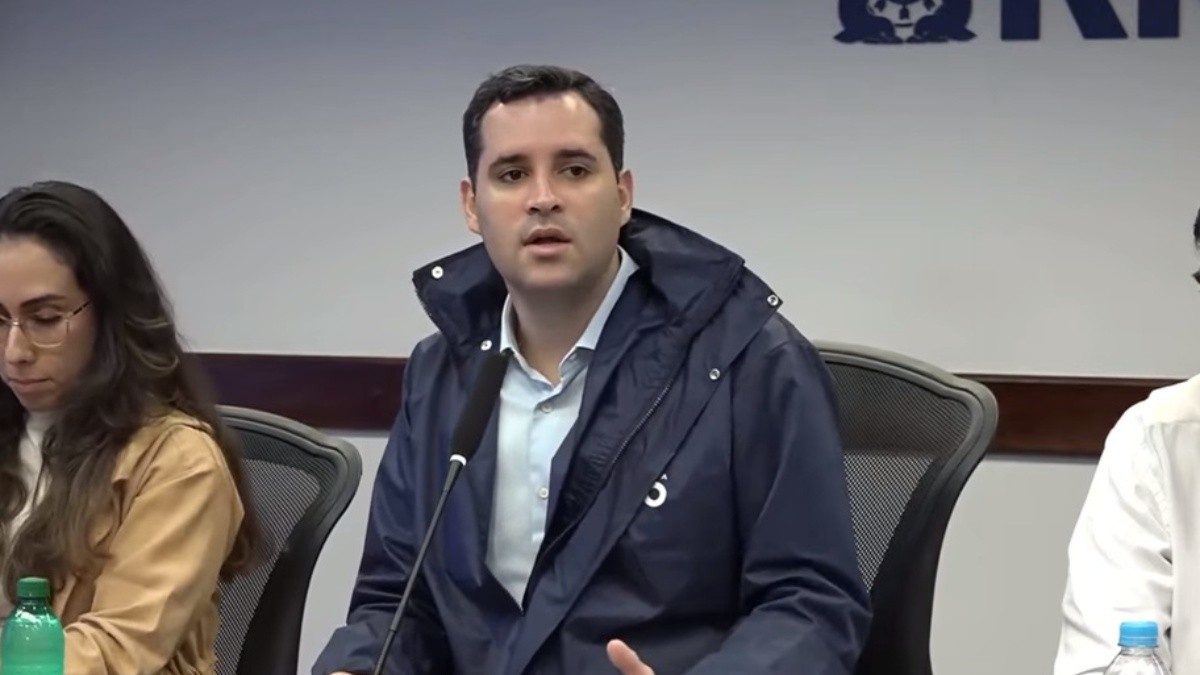
Rio de Janeiro's City Hall announced a comprehensive plan on Monday, September 20th, to prevent, monitor, and respond to the potential intensification of El Niño's effects. The initiative aims to mitigate the impact of extreme heat and heavy rainfall on the city. The announcement was made at the Rio Operations Center (COR). Mayor Eduardo Cavaliere acknowledged that despite existing flood control measures, the city remains vulnerable to extreme weather events, particularly in sensitive areas during the summer. El Niño, characterized by a warming of Pacific Ocean waters by at least 0.5°C, typically leads to above-average global temperatures and occurs every two to seven years. Its effects in Brazil are varied, often bringing more rain to the South and drier conditions to the North and Northeast. The World Meteorological Organization (WMO) has warned that El Niño is expected to strengthen through the second half of the year, peaking between November and February, increasing the likelihood of droughts, intense rainfall, and heatwaves. Meteorologist Juliana Hermsdorff of Alerta Rio noted that temperature increases are already anticipated by late winter, with more frequent and intense heatwaves impacting average temperatures through spring and summer. The city's plan includes reinforced heat protocols and enhanced public communication, with five levels of heat alerts. At Level 4 (heat index 40°C-44°C for at least three consecutive days), measures include opening cooling centers, ensuring hydration for outdoor workers, potentially suspending events without adaptation measures, moving physical education classes indoors, and increasing water distribution to vulnerable populations. Level 5 (heat index above 44°C) would add the suspension of non-essential outdoor activities during peak sun exposure hours.
Rio de Janeiro's proactive announcement of an El Niño preparedness plan reflects a growing recognition of climate change's impact on urban resilience. By establishing tiered response protocols for extreme heat, the city is attempting to institutionalize adaptive strategies, moving beyond reactive measures. This approach acknowledges the systemic challenges posed by climate phenomena, which can overwhelm existing infrastructure and social support systems. The plan's emphasis on public communication and the provision of cooling centers highlights the critical role of social equity in climate adaptation, particularly for vulnerable populations. Looking ahead, the effectiveness of such plans will depend on their integration with broader urban planning, water management, and energy policies, especially as the frequency and intensity of extreme weather events are projected to increase due to ongoing global warming trends. The city's preparedness serves as a case study for other metropolises facing similar climatic risks.
AI-generated to prompt reflection — not editorial opinion, not advice, not a statement of fact. How this works.