Rio de Janeiro Archives Unveils Rare Photos of 1930s-40s Urban Transformation
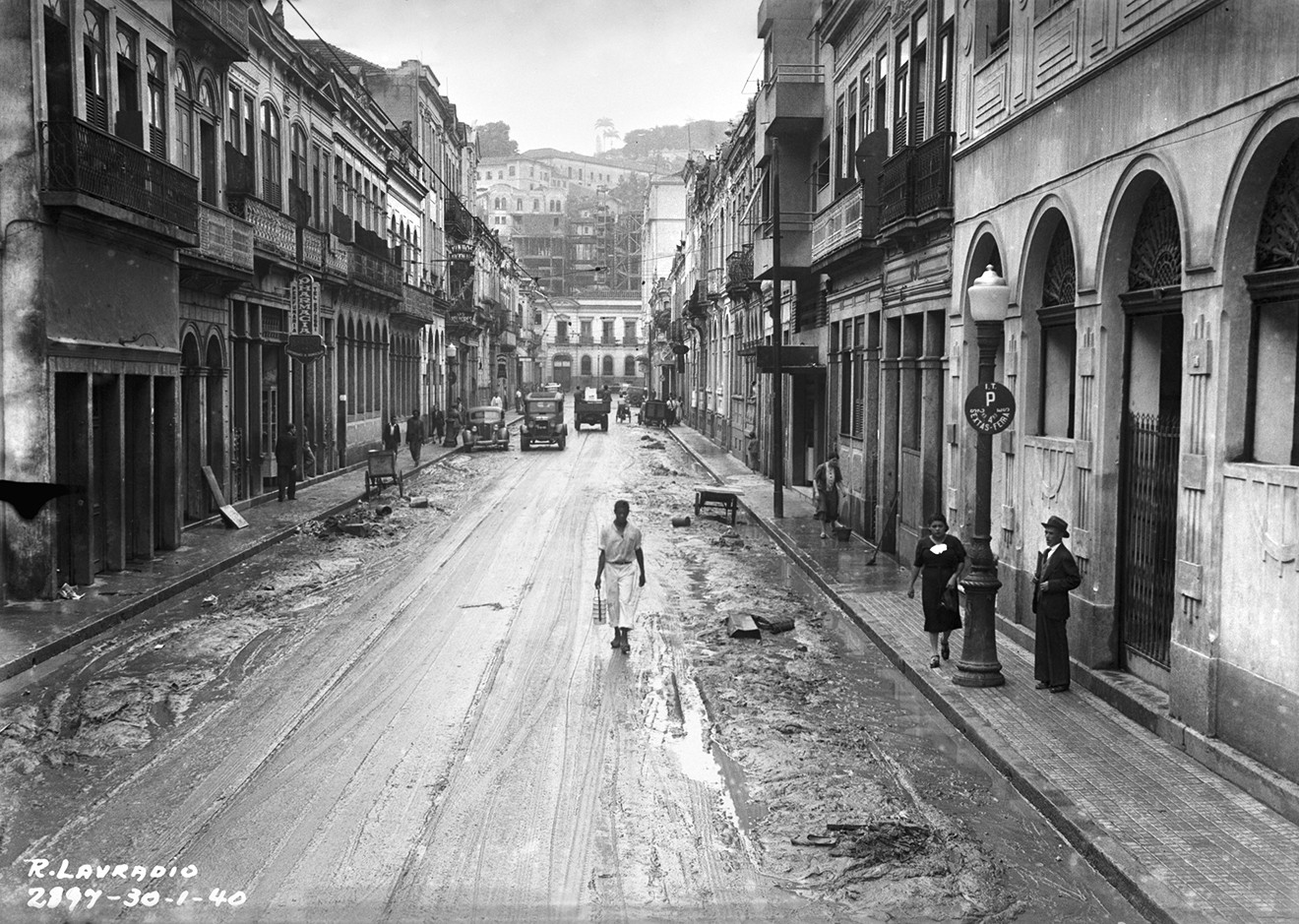
The General Archive of the City of Rio de Janeiro (AGCRJ) has released a new book titled "Achados e Perdidos – Imagens Inéditas do Rio de Janeiro" (Found and Lost – Unseen Images of Rio de Janeiro). This publication features a unique collection of approximately 14,000 previously unseen photographic records, rediscovered within the archive's collection. These images offer fresh perspectives on a pivotal period of urban development in Rio de Janeiro's history. The photographs, produced between 1937 and 1945, document significant urban interventions undertaken during the administration of Mayor Henrique Dodsworth, under the Estado Novo regime led by President Getúlio Vargas. Key events captured include the demolition of Praça Onze for the construction of Avenida Presidente Vargas, the building of Avenida Brasil, and the development of Estrada da Pavuna and Corte do Cantagalo. The book also highlights the recovery of an image of the house belonging to Hilária Batista de Almeida, known as Tia Ciata, a prominent religious and community leader in Rio's Black urban society. Her house was demolished during the Praça Onze clearance. Beyond documenting public works, the photographic collection captures the daily lives of Rio's residents amidst these landscape changes, showing streets, neighborhoods, workers, and public spaces. This visual testimony provides invaluable insight into the city's memory and modernization process. The book, a result of extensive research and preservation efforts by the AGCRJ, is intended for researchers and anyone interested in Rio de Janeiro's urban history. A free digital version with audio description is available online.
This release of historical photographs offers a valuable, unfiltered visual record of Rio de Janeiro's significant urban reshaping during the 1930s and 1940s. By presenting these images, the AGCRJ provides a crucial counterpoint to official narratives, allowing for a more nuanced understanding of the period's modernization efforts. The inclusion of images depicting the demolition of Praça Onze and the displacement of communities like Tia Ciata's highlights the inherent trade-offs in large-scale urban development. Future urban planning initiatives, particularly those involving significant public works or redevelopment, could benefit from examining the long-term social and cultural impacts revealed in these historical records. Understanding how past transformations affected diverse populations can inform more equitable and inclusive city-building strategies in the AI era, where technological advancements may drive further rapid urban change.
AI-generated to prompt reflection — not editorial opinion, not advice, not a statement of fact. How this works.