Rio de Janeiro Bus Drivers and Companies Resume Negotiations Amid Strike Threat
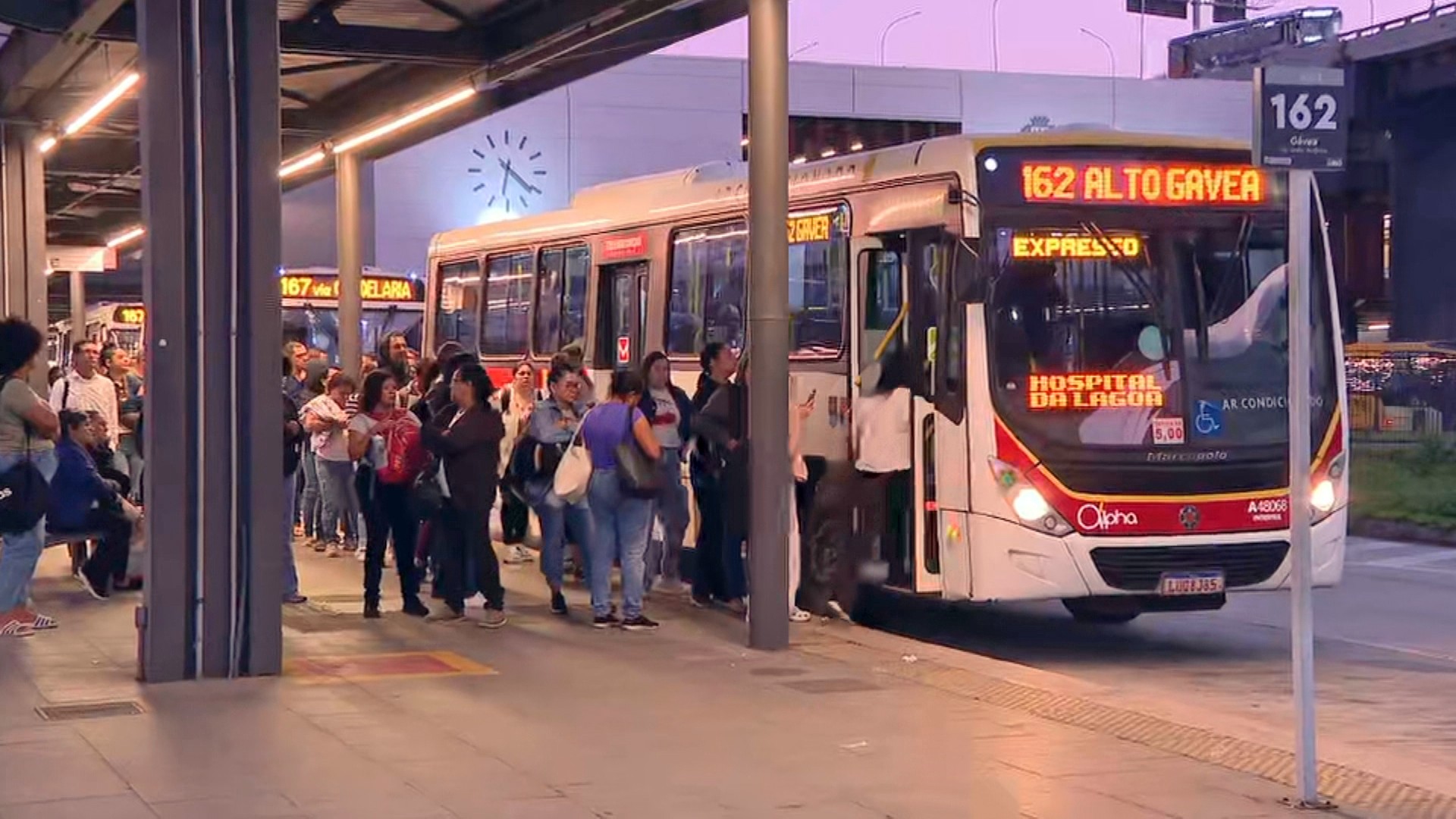
Bus drivers and bus companies in Rio de Janeiro are set to resume negotiations on Monday, June 6th, in another hearing at the Regional Labor Court (TRT). The meeting is scheduled for 11 AM. The drivers have been in a state of strike alert since Wednesday, May 1st, after suspending a previous three-day strike. According to the Drivers' Union, the outcome of Monday's TRT hearing will be discussed at an assembly on Tuesday, June 7th, at 4 PM. Until then, bus services are operating normally.
Sebastião José, president of the Drivers' Union, expressed hope that employers will consider the workers' interests to prevent further disruptions, emphasizing the demand for fair wages and recognition. The union is seeking a 17% salary increase, a base salary of R$5,000 for BRT drivers and R$4,000 for other drivers, a R$1,000 meal voucher, health insurance, and changes to work schedules to a seven-and-a-half-hour day. Employers have initially offered a 4.39% raise and stated no further proposals, but later agreed to explore higher figures.
During the previous strike from April 28th to May 4th, a court order mandated at least 50% of the fleet to operate, a requirement that was largely unmet. The Superior Labor Court (TST) later increased this to 80%, citing the essential nature of public transport and potential risks to public order and safety. The TST also imposed a daily fine of R$100,000 on the union for non-compliance. The strike was ultimately suspended following the TST decision and appeals from the TRT and the Public Prosecutor's Office.
The ongoing labor dispute between Rio de Janeiro's bus drivers and companies highlights the persistent tension between essential service provision and workers' demands for fair compensation and working conditions. The legal interventions, including court orders and fines, underscore the societal reliance on public transport and the challenges in balancing operational costs with employee welfare. Future negotiations will likely be shaped by the precedent set by the TST's 80% fleet mandate and the union's stated goals for improved wages and benefits. The dynamic suggests a need for more sustainable labor relations models within the public transport sector, potentially involving tripartite agreements or regulatory frameworks that proactively address wage stagnation and service continuity, especially in the face of evolving urban mobility needs and economic pressures.
AI-generated to prompt reflection — not editorial opinion, not advice, not a statement of fact. How this works.