Rio de Janeiro Bus Strike Suspended; Full Fleet Service Resumes
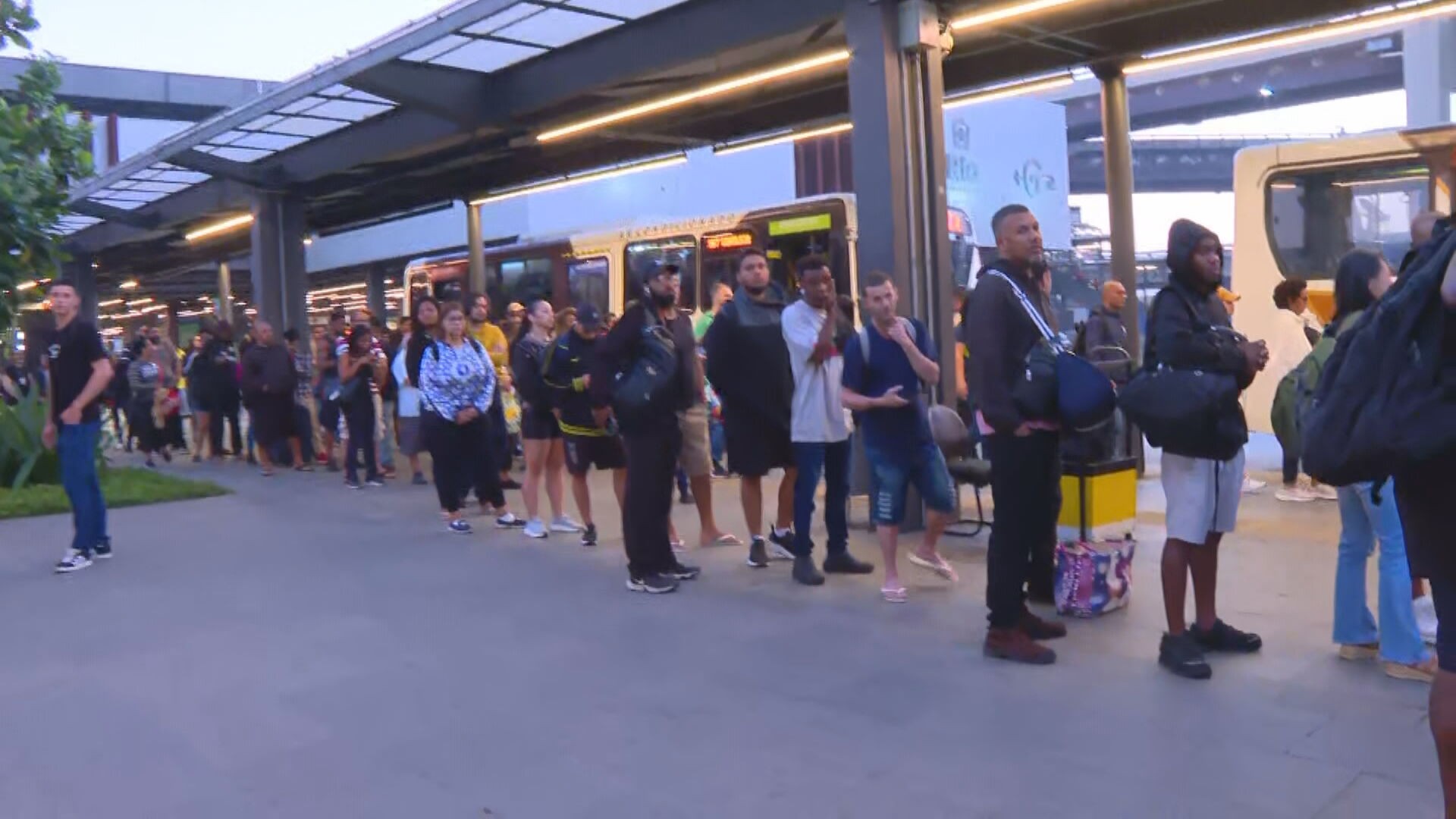
Bus services in Rio de Janeiro, including regular buses and BRTs, are set to operate with their full fleet starting at midnight on Thursday, following the suspension of a three-day strike by transport workers. The decision to suspend the strike was made by the bus workers' union after an assembly, with the union's leadership advocating for this course of action. A significant factor influencing the decision was a ruling by the Superior Labor Court (TST) on Wednesday, which mandated that 80% of the bus fleet must operate during a strike, an increase from the 50% previously set by the Regional Labor Court (TRT). Rio de Janeiro has approximately 3,600 buses, meaning 80% of the fleet constitutes 2,880 vehicles. However, on Wednesday morning, Rio Ônibus, the union representing bus companies, reported that only 1,650 vehicles were operational, less than half the required minimum. The suspension also followed a conciliation hearing where the TRT and the Public Prosecutor's Office for Labor (MPT) urged the union to halt the strike until the next negotiation session on Monday, March 6. In return, companies agreed not to deduct pay for strike days or withhold meal vouchers, and to discuss a salary increase beyond the 4% initially offered. Despite initial resistance from some workers, a majority voted to end the strike. However, the union has declared an 'estado de greve' (state of strike readiness), allowing for potential future work stoppages if negotiations falter. Key demands from the transport workers include a 17% salary increase, a base salary of R$5,000 for BRT drivers and R$4,000 for other drivers, a R$1,000 meal voucher, health plan coverage, and changes to work schedules to a 7.5-hour workday. Companies initially offered a 4.39% raise but agreed to consider a higher figure to end the strike.
The resolution of the Rio de Janeiro bus strike highlights the complex interplay between labor demands, judicial intervention, and public service continuity. The TST's escalation of the minimum fleet requirement from 50% to 80% reflects a judicial balancing act, prioritizing public order and the right to mobility over the immediate leverage of striking workers. The union's decision to suspend the strike, while maintaining a 'state of strike readiness,' suggests a strategic pause to pursue negotiations, acknowledging the legal and public pressure against prolonged disruption. The core conflict, rooted in significant wage and benefit demands versus company offers, points to underlying economic pressures affecting the transport sector. Future negotiations will likely be shaped by the precedent of judicial mandates and the ongoing need for sustainable labor agreements that balance worker welfare with operational viability and public service expectations.
AI-generated to prompt reflection — not editorial opinion, not advice, not a statement of fact. How this works.