Rio de Janeiro Bus Strike: Talks Stall as Drivers and Companies Fail to Reach Agreement
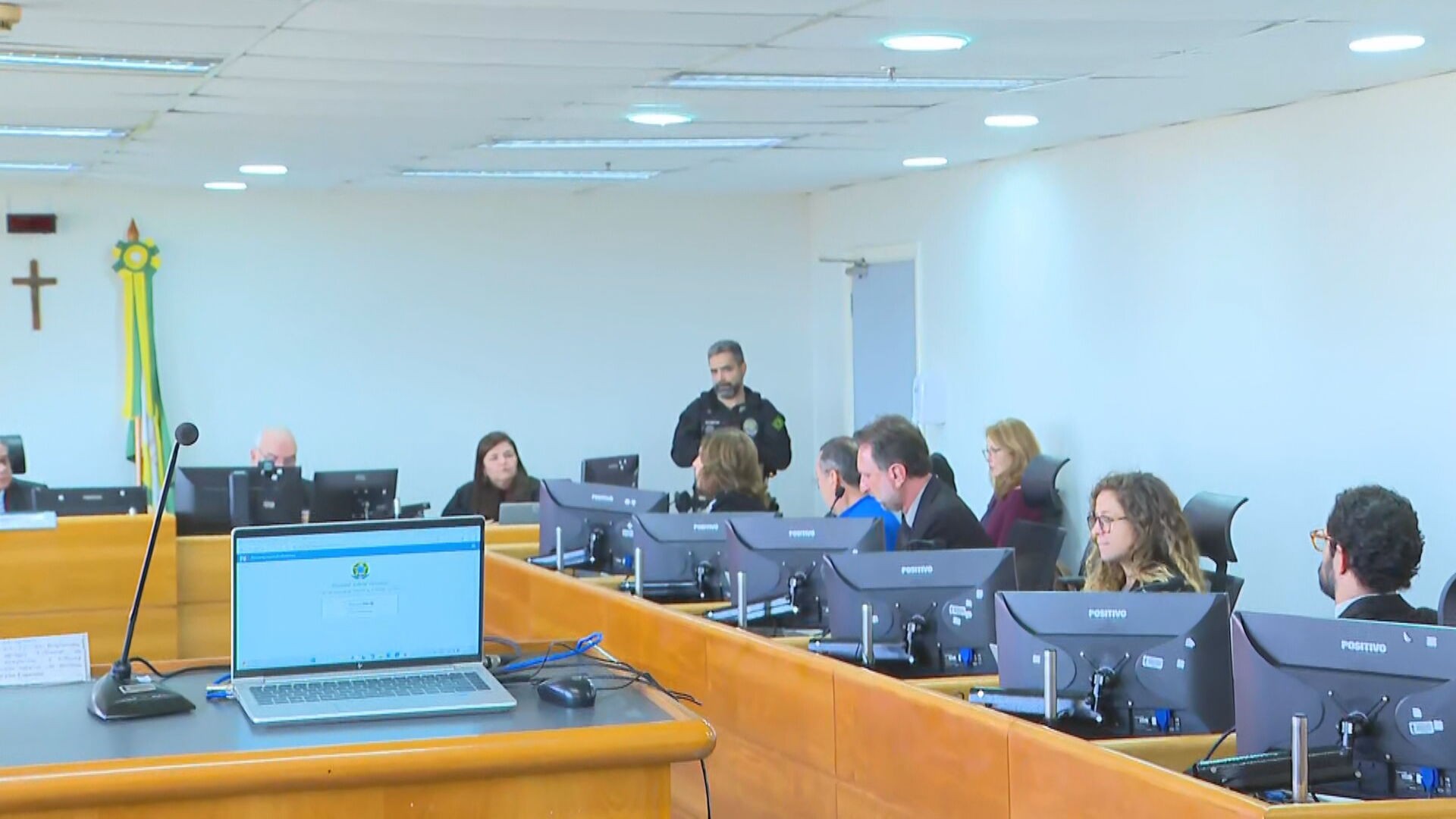
A crucial conciliation hearing between bus drivers and company representatives in Rio de Janeiro concluded on Wednesday, May 15th, without a resolution to the ongoing strike. The parties have scheduled another meeting for the following Wednesday, May 22nd, in hopes of finding common ground. The Rio Ônibus union, representing the bus companies, put forth a proposal offering a 5% increase for both salaries and the basic food basket allowance. However, this offer was rejected by the bus drivers, who initially sought a 17% raise and later revised their demand to 12%, to be paid in two installments. A significant point of contention is the 7.5-hour workday for drivers. The drivers' union argues that the last half-hour of this shift is deducted from their pay, and this interval is insufficient for adequate rest or meals. During the hearing, a prosecutor from the Public Ministry of Labor supported the drivers' position, urging the companies to address this issue. The city of Rio de Janeiro operates approximately 3,600 buses. The drivers are demanding a 12% salary increase in two parts, a base salary of R$5,000 for BRT drivers and R$4,000 for other drivers, a R$1,000 food voucher, a health plan, and modifications to work schedules and the 7.5-hour workday. The employers' offer remains at a 5% raise with no further counterproposals.
The impasse in negotiations highlights a fundamental disconnect between labor cost expectations and operational capacity within Rio de Janeiro's public transportation sector. The drivers' demands, particularly the significant salary increase and improved working conditions, reflect concerns over compensation adequacy and work-life balance, potentially exacerbated by rising living costs. Conversely, the companies' conservative offer of a 5% raise suggests constraints on their financial flexibility or a strategic negotiation stance. The dispute over the unpaid half-hour work segment points to differing interpretations of labor law or industry practice regarding breaks and compensation. Moving forward, a sustainable resolution will likely require a nuanced approach that balances driver welfare with the economic viability of bus operations, possibly involving municipal subsidies or a phased implementation of concessions to bridge the gap between the parties' positions and ensure service continuity for the city's 3,600 buses.
AI-generated to prompt reflection — not editorial opinion, not advice, not a statement of fact. How this works.