Rio de Janeiro Completes Revitalization of Lapa Arches After R$1.7 Million Investment
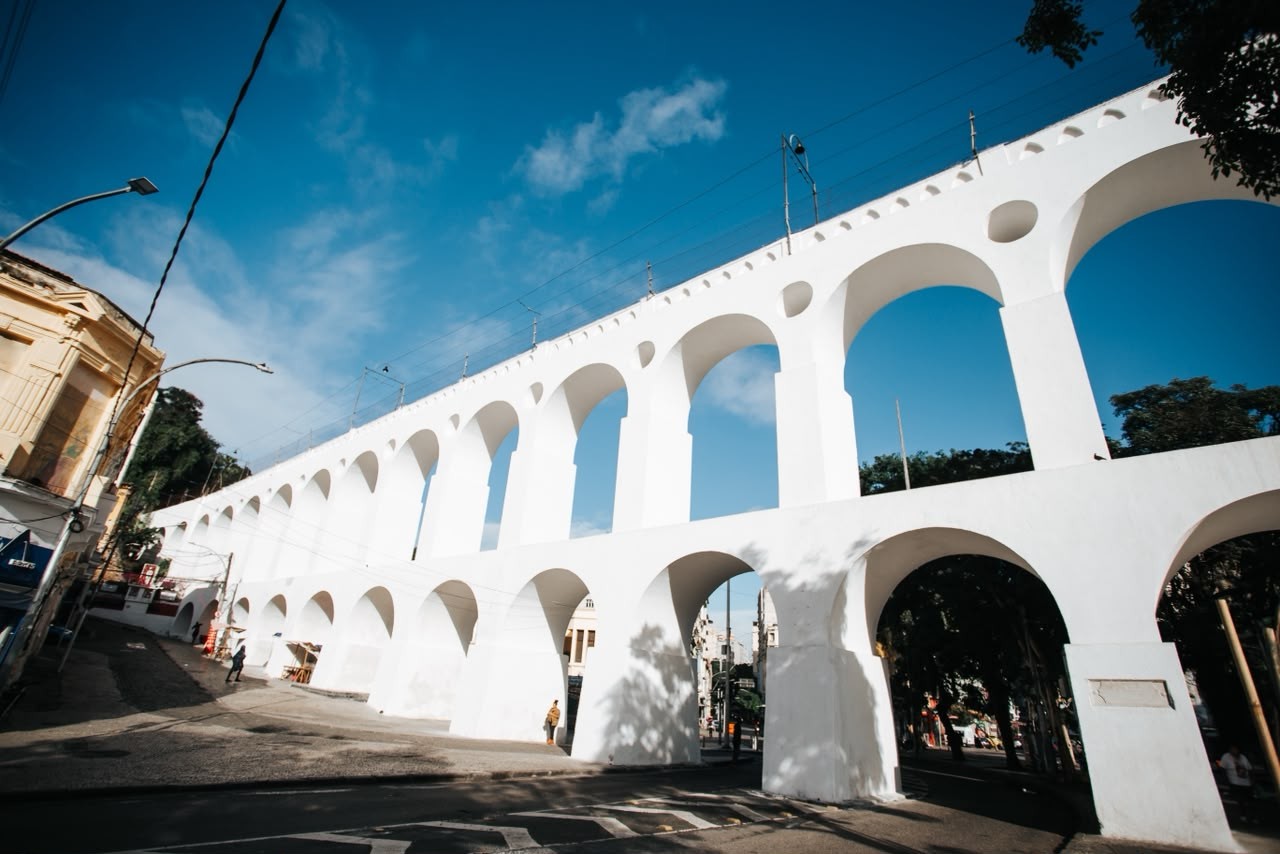
The Rio de Janeiro City Hall has finalized the revitalization of the iconic Lapa Arches, a significant landmark in the city. The project, managed by the Municipal Secretariat of Conservation, involved an investment of approximately R$1.7 million and concluded in July. Key aspects of the work included technical cleaning and painting using the traditional whitewashing method with virgin lime, preserving the monument's original characteristics. The revitalization also encompassed the restoration of Praça Cardeal Câmara and the maintenance and cleaning of the "A Lapa" and "Arcos da Lapa" panels created by artist Jorge Selarón, situated near the Santuário de Zé Pelintra. According to the municipal secretary of Conservation, Diego Vaz, this effort is part of an ongoing maintenance cycle for the monument, which has seen previous interventions in 2011, 2014, 2016, and 2022. Vaz emphasized the continuous technical conservation process, respecting the monument's heritage status granted by Iphan and employing original construction techniques to safeguard Rio's history. Originally built in the 18th century as the Carioca Aqueduct to transport water, the Lapa Arches now also serve as a route for the Santa Teresa Tram and remain a vital historical and tourist symbol.
The completion of the Lapa Arches revitalization highlights a municipality's commitment to preserving historical infrastructure, a critical function for maintaining cultural identity and tourism appeal. The substantial investment of R$1.7 million demonstrates a recognition of the economic and social value derived from heritage sites. However, the recurring nature of these interventions, with updates in 2011, 2014, 2016, 2022, and now 2026, suggests a potential need to evaluate the long-term efficacy and sustainability of the chosen conservation methods. Future considerations could involve exploring advanced material science or structural engineering solutions that offer greater durability and reduce the frequency of costly maintenance cycles, thereby optimizing resource allocation for urban heritage management in the long run.
AI-generated to prompt reflection — not editorial opinion, not advice, not a statement of fact. How this works.