Rio de Janeiro concretes traffic signal cable boxes to combat persistent theft
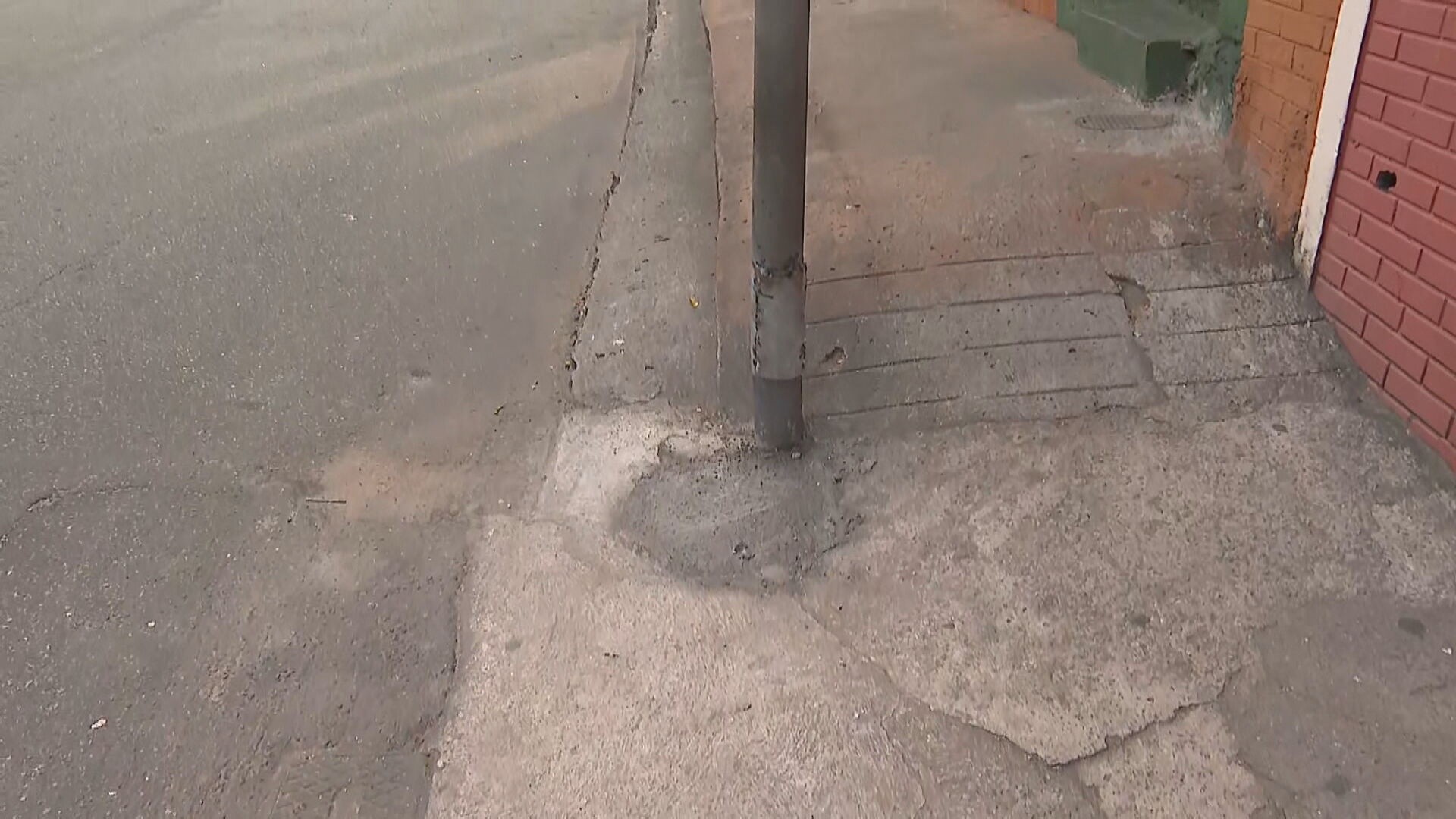
The Rio de Janeiro traffic authority, CET-Rio, is implementing a new strategy to combat the persistent theft of traffic signal cables, which has led to numerous signal outages, particularly in the city's North Zone. The new measure involves concreting the metal lids of the cable boxes installed on sidewalks, making it significantly harder for thieves to access the wires. This initiative has already been applied at intersections in the Cachambi and Méier neighborhoods, areas that have experienced frequent traffic signal malfunctions. CET-Rio states that this is part of a broader set of actions initiated in 2021 to reduce theft and ensure the proper functioning of traffic lights. Previous measures included welding the boxes shut, installing anti-theft grates and claws, relocating equipment to higher poles, and burying cables in critical locations. Despite these efforts, some residents report that traffic signals in their areas remain non-operational. The North Zone, especially the Grande Tijuca and Grande Méier regions, accounts for the majority of cable thefts in the city. In the first half of 2026, 1,633 incidents were reported, affecting 455 traffic signals and resulting in the theft of 38 controllers and 63 kilometers of cable, with an estimated financial loss of R$ 2.9 million. Notably, CET-Rio reports a 59% decrease in such incidents compared to the first half of 2025, when 2,600 thefts occurred, impacting 543 signals and causing an estimated R$ 2.3 million in losses. The Military Police acknowledge increased patrols in Cachambi and are working with intelligence units to identify and apprehend those responsible, noting that criminals exploit areas with less police presence.
The persistent theft of traffic signal cables in Rio de Janeiro highlights a complex interplay between urban infrastructure vulnerability and criminal activity. CET-Rio's response, moving from protective measures like welding and grates to more robust physical barriers like concrete, reflects an escalating arms race against determined thieves. While this escalation may offer short-term deterrence, it raises questions about long-term maintenance costs and the potential for thieves to adapt their methods. The significant financial losses and recurring signal outages indicate a systemic challenge that may require broader socio-economic interventions alongside infrastructure hardening. Future-proofing urban systems necessitates anticipating evolving criminal tactics and considering the resilience of critical infrastructure against both direct attack and the broader societal pressures that may drive such illicit activities.
AI-generated to prompt reflection — not editorial opinion, not advice, not a statement of fact. How this works.