Rio de Janeiro: Criminals Target Drivers at Traffic Lights in North Zone
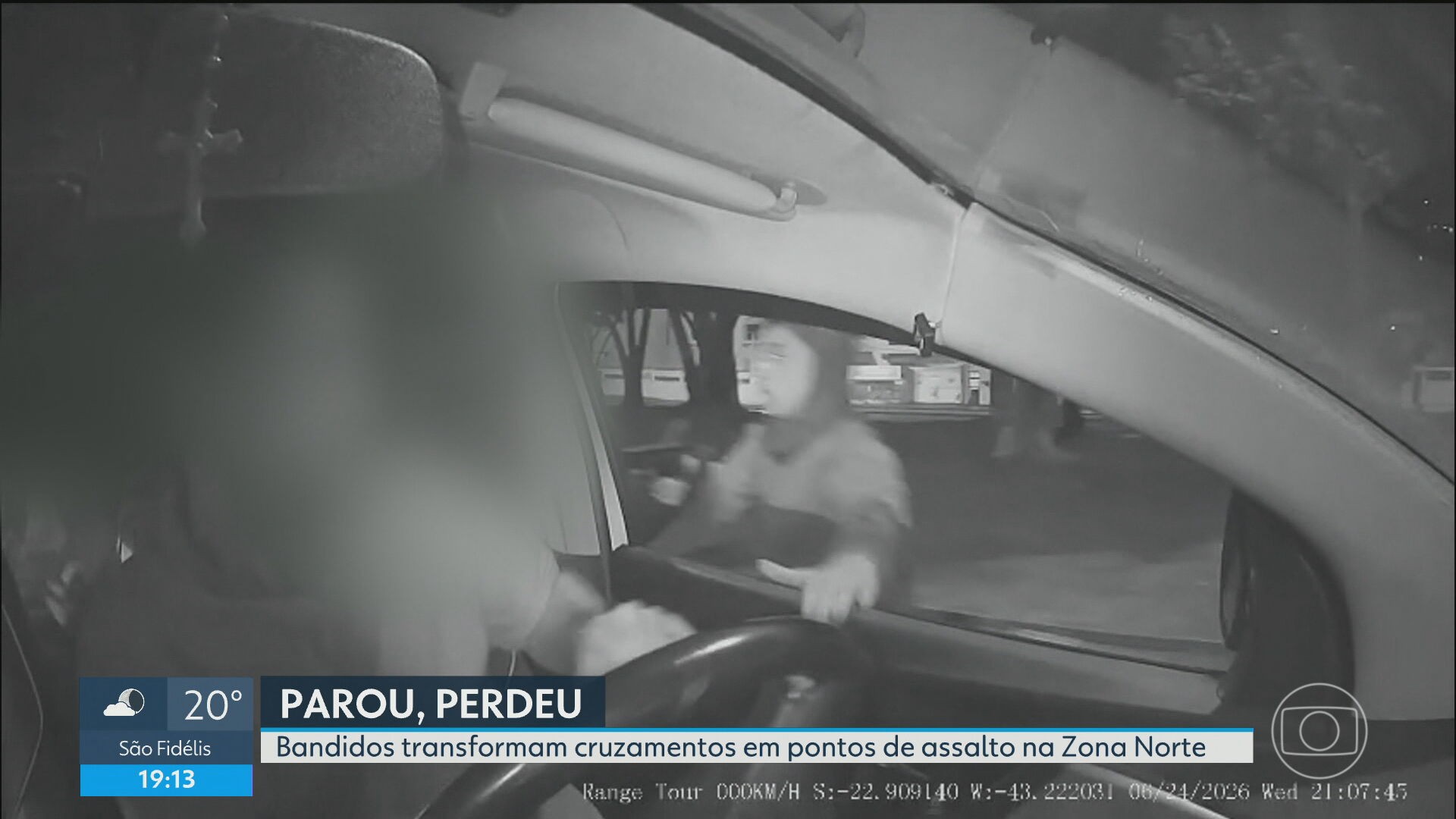
Criminals are exploiting traffic light stops in Rio de Janeiro's North Zone, particularly in Praça da Bandeira and near the São Cristóvão metro station, to conduct rapid robberies. These incidents involve assailants approaching stopped vehicles within seconds, demanding valuables such as cell phones and jewelry. The modus operandi is consistent, with multiple attacks occurring on different days, often involving individuals in hooded clothing. Reports describe perpetrators attempting to rob multiple cars, with some vehicles managing to escape by accelerating through red lights. In one observed instance, three criminals surrounded a car, forcing the occupants to hand over their belongings before targeting another vehicle. The duration of traffic light stops, sometimes lasting around five minutes, exacerbates the sense of vulnerability for drivers. Residents and merchants express significant concern, noting that the situation deteriorates when municipal guards are absent from key intersections. They describe criminals fleeing towards areas like Mangueira after the robberies. While official data from the Public Security Institute indicates a 27% decrease in street robberies in the São Cristóvão and Praça da Bandeira region between January-May 2026 and the same period in 2025, with 891 cases recorded in 2026 compared to 1,222 in 2025, the perception of insecurity persists among locals. Commuters and drivers, including ride-share and taxi drivers, report needing to remain constantly vigilant, keep windows up, and secure personal items. Some suggest that a more permanent presence of municipal guards could improve safety, especially at bus terminals near the metro station.
The reported increase in opportunistic street crime at traffic signals highlights a vulnerability in urban traffic management systems, where extended stopping times can create security gaps. The effectiveness of visible security presence, such as municipal guards and police, in deterring such crimes is evident, yet the sustainability of such patrols presents a resource allocation challenge for public safety agencies. The data indicating a reduction in overall street robberies may reflect broader security initiatives, but localized crime patterns like these suggest that tactical responses need to adapt to specific environmental triggers. Future urban planning and technology integration could explore solutions like dynamic traffic signal timing or enhanced surveillance at known hotspots to mitigate these risks without solely relying on constant human patrols, thereby improving public safety and reducing driver anxiety.
AI-generated to prompt reflection — not editorial opinion, not advice, not a statement of fact. How this works.