Rio de Janeiro: Criminals Use Buses as Barricades in Costa Barros
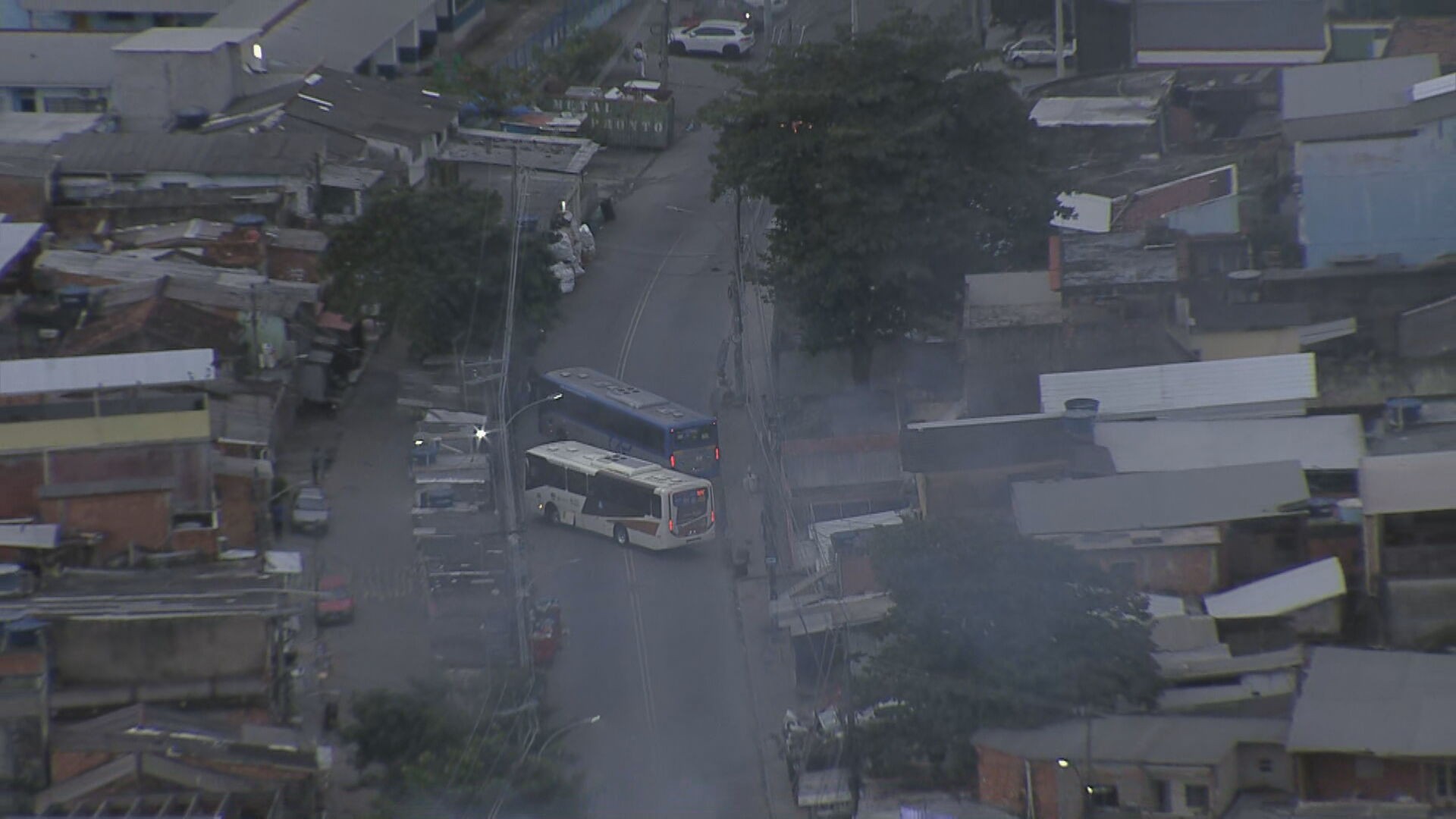
In Costa Barros, Rio de Janeiro, criminals set fire to barricades and used buses to block streets on Monday morning, May 13th. At least two buses were commandeered on Estrada de Botafogo to serve as barricades, with a third bus intercepted on Avenida Pastor Martin Luther King within the same neighborhood. The incident occurred as the 41st BPM (Irajá) initiated an operation in the late hours of the morning to combat drug traffickers involved in car and cargo thefts within the Complexo da Pedreira. Police forces were also attempting to dismantle pre-existing barricades set up by the Third Command Pure (TCP). In retaliation, criminals seized a bus from line 778 (Pavuna-Cascadura) and another from line 920 (Pavuna-Bonsucesso), forcing them to be driven across the road and then taking their keys. In other locations, groups also set fire to debris. Bus lines 778, 920, and SVB665 (Pavuna-Saens Peña) were forced to reroute their services due to the disruptions.
This incident highlights the strategic use of civilian infrastructure, such as public transportation, by criminal organizations to impede law enforcement operations. The retaliatory nature of the barricades suggests a direct response to police action aimed at dismantling drug trafficking and theft networks. The use of buses as blockades not only disrupts police movement but also creates significant public inconvenience and potential safety risks. Looking ahead, such tactics underscore the ongoing challenge of maintaining public order and security in urban environments where criminal groups can effectively leverage local resources and infrastructure to resist state authority. This dynamic raises questions about the balance between necessary law enforcement actions and the potential for escalation and collateral impact on the civilian population.
AI-generated to prompt reflection — not editorial opinion, not advice, not a statement of fact. How this works.