Rio de Janeiro Election Security: Federal Forces Assistance Under Review
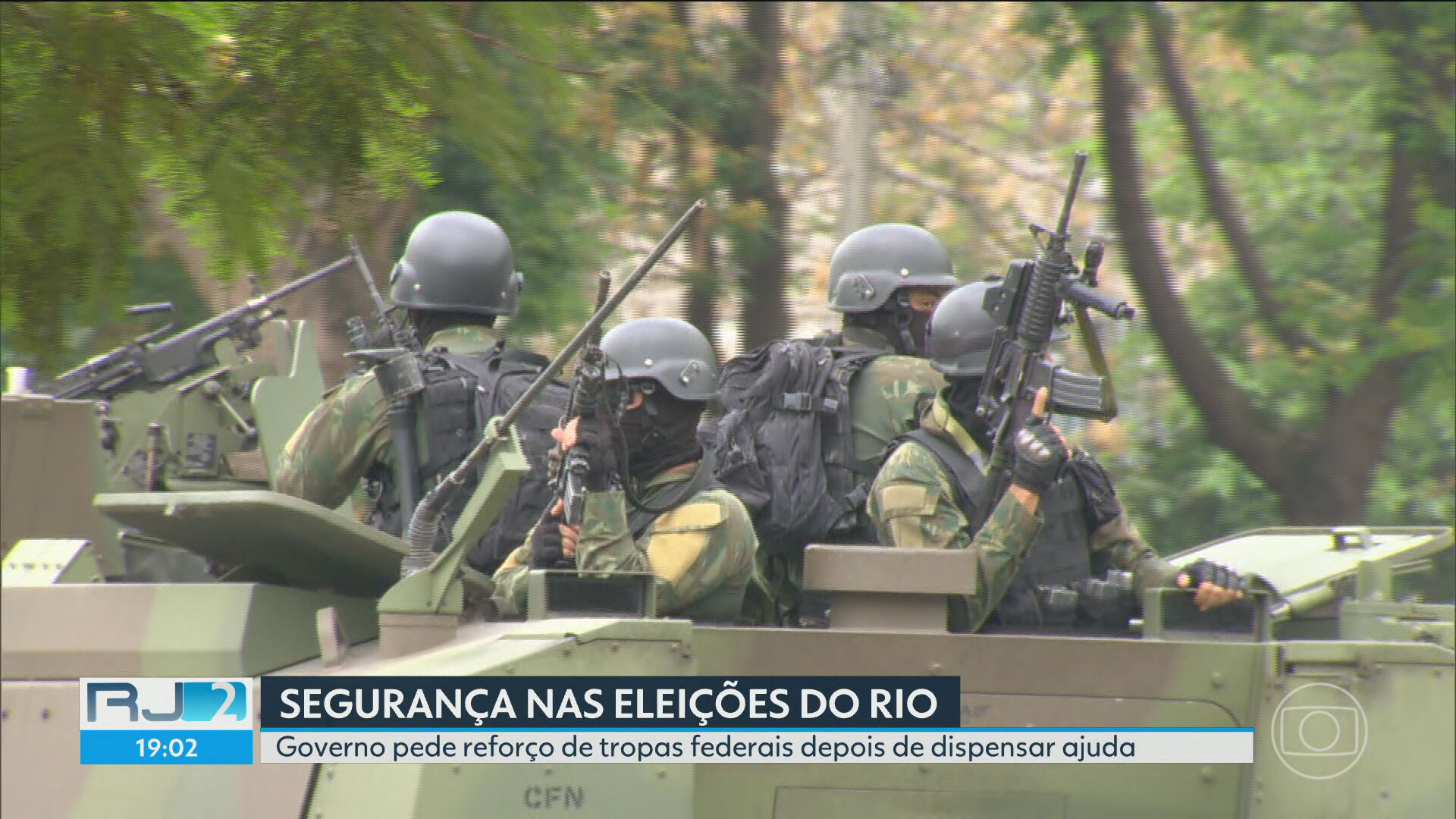
The Regional Electoral Court of Rio de Janeiro (TRE-RJ) will hold a plenary session on Thursday, September 9th, to discuss a request for federal force assistance in ensuring security during the upcoming general elections in October. This session follows a meeting between TRE-RJ President Claudio de Mello Tavares and acting Governor Ricardo Couto, who reportedly expressed support for the measure. If approved by the TRE-RJ, the request will be forwarded to the Superior Electoral Court (TSE) for final decision and subsequent requisition of forces from the Ministry of Defense. The TRE-RJ will then coordinate operational details with local federal commands.
Earlier, the Rio de Janeiro state government had initially declined federal aid, deeming state forces sufficient. However, this position was reversed approximately two weeks later, with Governor Couto submitting a new request emphasizing the "extreme importance" of federal cooperation for safeguarding voters, polling stations, and electronic voting machines. This shift in stance occurred after investigations by the Public Prosecutor's Office revealed increasing infiltration of organized crime into Rio de Janeiro's politics, including alleged involvement of a state deputy with a criminal faction. While some government officials attribute the change to a precautionary measure to ensure federal support is available if needed, the timing coincides with these revelations.
The TRE-RJ has also established an Extraordinary Cabinet for Institutional Security (Gaesi) for the 2026 Elections, comprising representatives from various municipal, state, and federal security agencies. Gaesi aims to prevent and combat criminal activities that could disrupt the electoral process, protecting voters, electoral staff, and election-related assets. The use of federal troops for election security in Rio de Janeiro has become a recurring necessity over recent decades due to the significant influence of criminal factions and militias.
The Rio de Janeiro state government's reversal on requesting federal election security highlights the complex interplay between state capacity, organized crime, and electoral integrity. The initial dismissal of federal aid, followed by a swift request after revelations of criminal infiltration, suggests a recalibration of risk assessment. This situation underscores the systemic challenge of ensuring secure elections in regions with deeply entrenched organized crime, where state security forces may face internal pressures or limitations. The establishment of Gaesi indicates a move towards more integrated security governance, but its effectiveness will depend on robust inter-agency cooperation and sustained political will, particularly in confronting sophisticated criminal networks that may seek to influence electoral outcomes. The precedent of relying on federal forces raises questions about long-term solutions for strengthening local security institutions and reducing the influence of illicit actors in public life.
AI-generated to prompt reflection — not editorial opinion, not advice, not a statement of fact. How this works.