Rio de Janeiro Electoral Court President Observes Military Training for Election Support
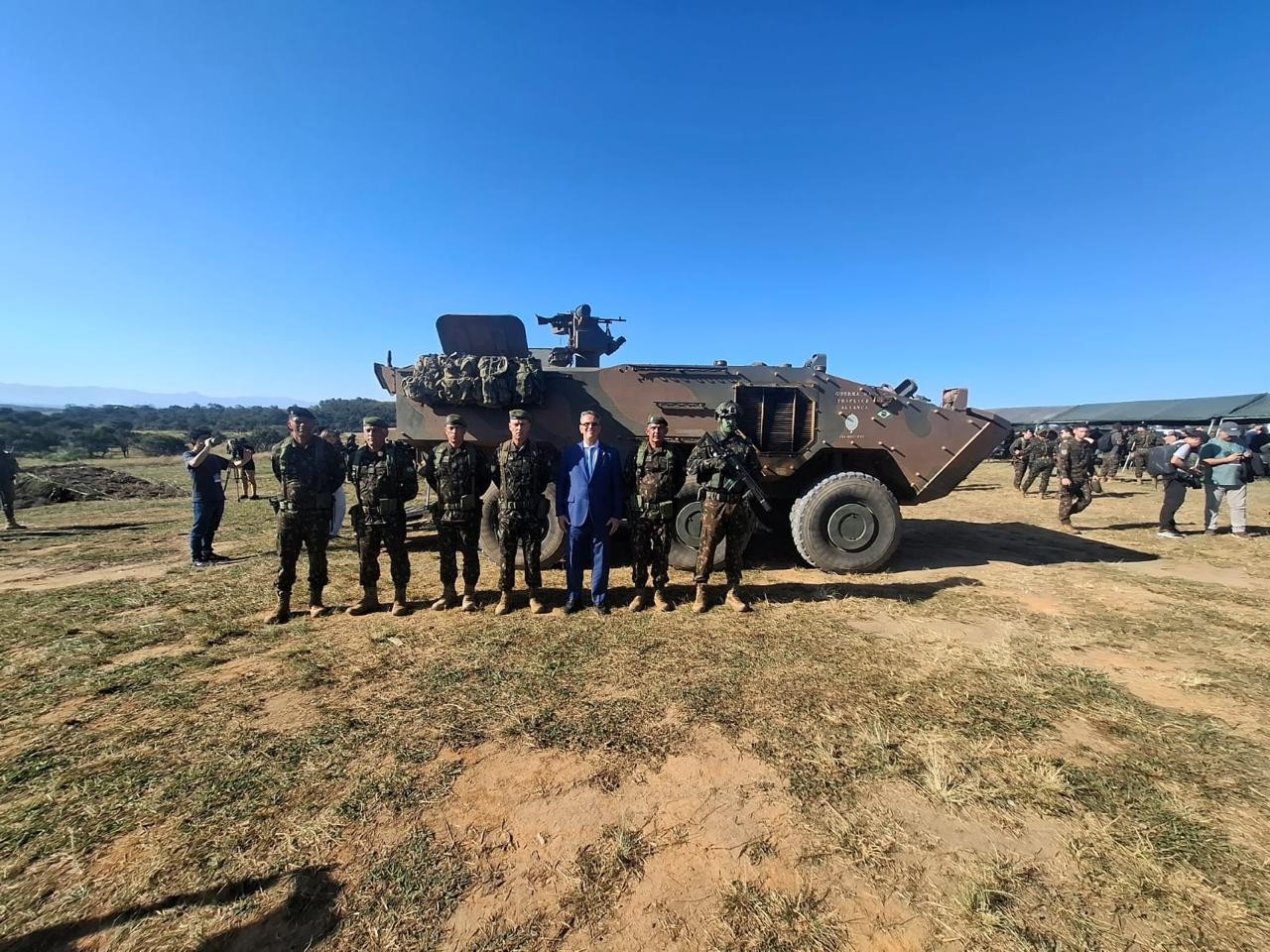
The President of the Regional Electoral Court of Rio de Janeiro (TRE-RJ), Judge Claudio de Mello Tavares, attended an operational exercise by the Brazilian Army on Wednesday, August 29th. The training took place at the Gericinó Instruction Field in the West Zone of Rio de Janeiro. This event was organized by the Leste Military Command (CML) and involved approximately 4,500 military personnel simulating various operational scenarios. The exercise, named 'Membeca,' showcased the operational capabilities of troops from Rio de Janeiro, Minas Gerais, and Espírito Santo, including the deployment of armored vehicles and anti-drone defense systems. General of the Army Pedro Celso Montenegro, the Leste Military Commander, highlighted the armed forces' readiness to act if required. The TRE-RJ had previously unanimously approved a request for federal support for the upcoming October elections, a request that received a favorable opinion from Rio de Janeiro Governor Ricardo Couto. This request has now been forwarded to the Superior Electoral Court (TSE). The TSE will review the request in a plenary session and, if approved, will engage in discussions with the Ministry of Defense regarding the potential deployment of the Armed Forces during the elections. Judge Tavares commented that the exercise demonstrated the military's preparedness for diverse situations and expressed confidence that the Leste Military Command could ensure "absolutely calm and secure" elections in the state. The CML is already collaborating with the electoral justice system in Rio de Janeiro for the October elections, participating in a Unified Working Group for the Defense of Electoral Integrity. This group is involved in relocating polling stations from high-risk areas and sharing intelligence on candidates with the Public Prosecutor's Office. Additionally, the CML is part of the Extraordinary Cabinet of Institutional Security (Gaesi), which focuses on preventing and repressing crimes that could jeopardize the electoral process.
The joint exercise between the Brazilian Army and the Rio de Janeiro Electoral Court signals a proactive approach to ensuring electoral security, particularly in a region with a history of security challenges. The involvement of military forces in election support, while intended to bolster confidence and operational readiness, raises systemic questions about the balance between civilian electoral administration and military involvement. Future electoral cycles may see increased reliance on such support structures, necessitating clear guidelines on the scope of military engagement to preserve the integrity of democratic processes and prevent potential overreach. Evaluating the long-term implications of this collaboration on public trust and the separation of powers will be crucial as Brazil navigates technological advancements and evolving security landscapes.
AI-generated to prompt reflection — not editorial opinion, not advice, not a statement of fact. How this works.