Rio de Janeiro Establishes Collection Points for Venezuelan Earthquake Relief
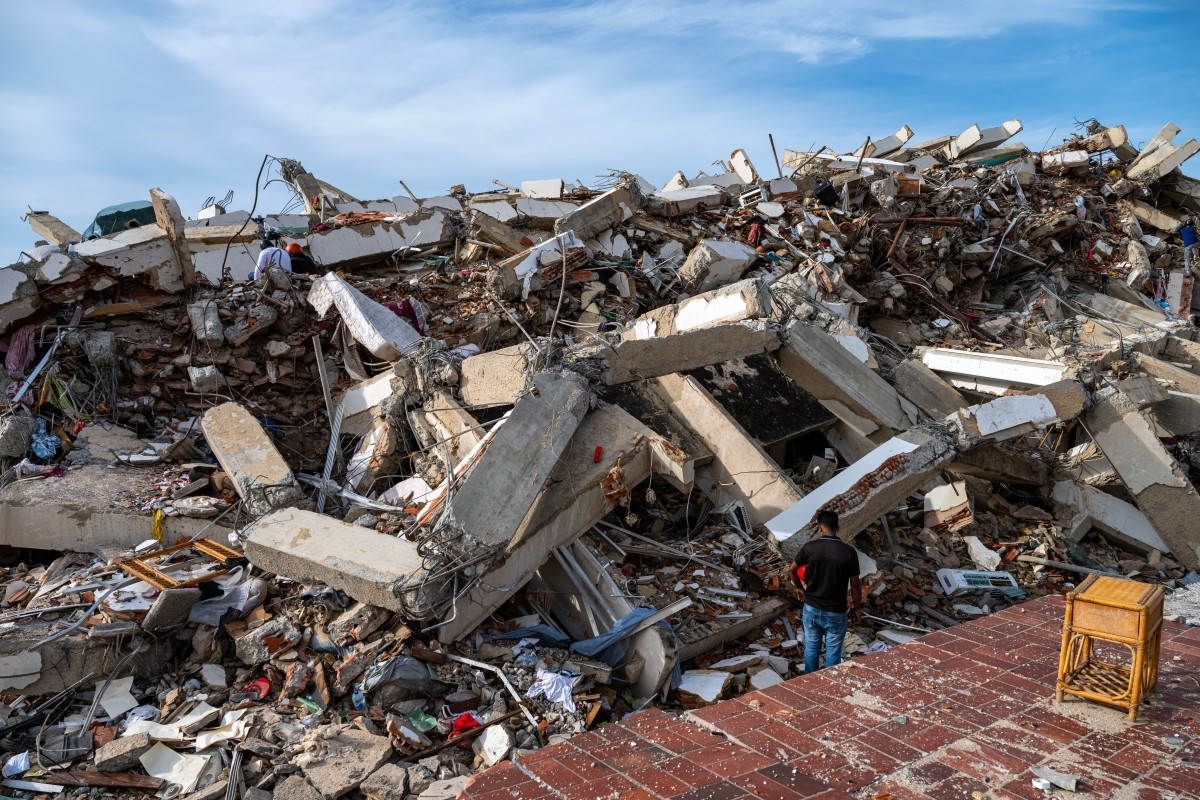
Rio de Janeiro has become a key logistical hub for Brazilian humanitarian aid to Venezuela following a devastating earthquake that claimed thousands of lives. At least seven collection points across the city are gathering essential supplies, including medical items, cleaning materials, and rescue equipment. Donations can be delivered until Sunday, March 5th, at 2 PM. The collected materials are scheduled to be shipped next week via Brazilian Air Force flights departing from Galeão Air Base.
One of the primary collection centers is the Venezuela Gourmet restaurant in Copacabana, a known gathering place for Venezuelans in Rio. Volunteers are organizing donations, prioritizing medical supplies like disposable gloves, bandages, blood pressure medication, and sodium bicarbonate, as well as cleaning products such as disinfectant chlorine and trash bags. The earthquake has been described as one of the most severe crises Venezuela has faced, with authorities reporting over 2,200 deaths and tens of thousands missing.
In a remarkable rescue, a man named Hernán Alberto Gil was pulled alive after being trapped for 150 hours, or eight days, under the rubble of a collapsed shopping center. Chilean rescue teams utilized acoustic detection equipment and an inspection camera to locate the security guard, who was buried approximately nine meters deep. The Christ the Redeemer Sanctuary is also participating in the solidarity campaign, "SOS Venezuela – Solidarity and Fraternity," promoted by the Catholic Church in Brazil. Projections on the monument and donations collected through this initiative will support humanitarian actions coordinated by Caritas Venezuela, aiming for both emergency response and long-term community recovery and reconstruction.
This initiative highlights the power of civil society and international solidarity in responding to humanitarian crises. The establishment of collection points in Rio de Janeiro demonstrates a decentralized, community-driven approach to aid delivery, complementing official government and institutional efforts. The focus on specific essential items, from medical supplies to cleaning agents, reflects a practical understanding of immediate post-disaster needs. Looking ahead, the success of such localized relief efforts can inform more resilient and responsive disaster preparedness strategies, emphasizing the importance of accessible collection networks and clear communication channels. The long-term goal of supporting reconstruction also points to the necessity of sustained international engagement beyond immediate emergency relief.
AI-generated to prompt reflection — not editorial opinion, not advice, not a statement of fact. How this works.