Rio de Janeiro Faces Widespread Power Outages After 100 km/h Winds
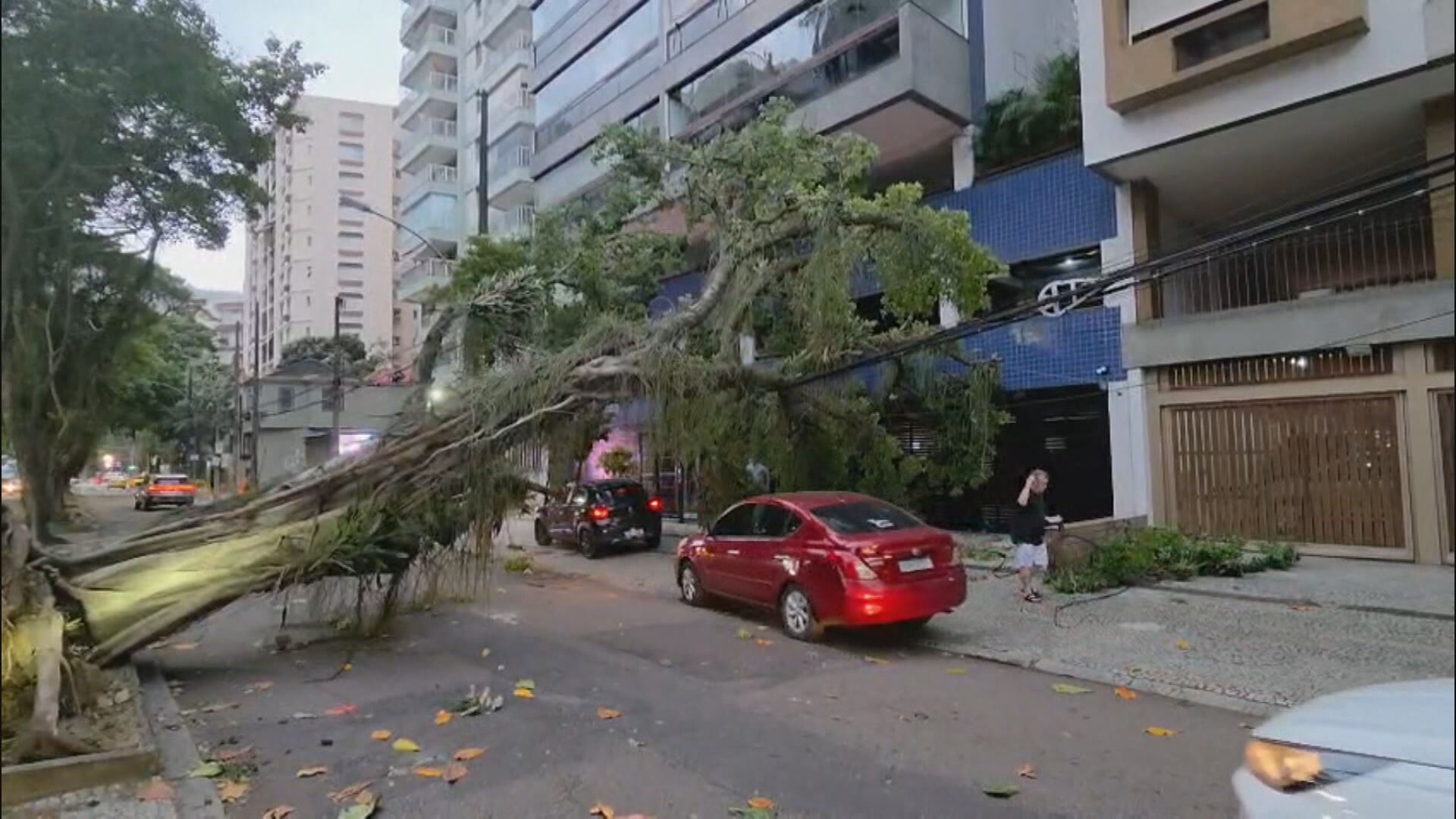
More than 370,000 customers in the Rio de Janeiro Metropolitan Region remained without electricity on Thursday morning, a day after severe winds exceeding 100 km/h caused widespread damage. Light, the energy concessionaire for parts of the capital and Duque de Caxias, reported the outage figures. The storm's impact included fallen trees blocking public roads, power disruptions, and transportation system issues. Particularly affected neighborhoods in Rio de Janeiro include Campo Grande, Bangu, Anchieta, Tijuca, Catumbi, Jacarepaguá, Santa Cruz, and Recreio dos Bandeirantes. The Rio Operations and Resilience Center (COR-Rio) reported at least 27 open cases of fallen trees across various city neighborhoods by Thursday morning. Over 50 tree-related incidents were addressed by the city overnight, with some falling onto power lines, leading to over 30 such cases being recorded. A utility pole also fell in Bangu. Wind gusts reached 105.6 km/h at Galeão airport, with other significant readings across the Metropolitan Area and Costa Verde. While most public transport systems operated normally on Thursday, the Saracuruna railway line experienced disruptions, with trains running at 20-minute intervals on one section and requiring passenger transfers on another. No further strong winds are forecast for Rio de Janeiro state, with light to moderate winds expected and a possibility of isolated light rain, particularly in the Costa Verde region.
The severe weather event highlights the vulnerability of urban infrastructure in Rio de Janeiro to extreme meteorological phenomena. The extensive power outages and damage underscore the need for ongoing investment in grid resilience and urban tree management programs to mitigate the impact of high winds. Future climate projections suggest an increased frequency of such events, necessitating proactive planning by utility companies and municipal authorities. Evaluating the effectiveness of current emergency response protocols and identifying opportunities for technological upgrades in power distribution systems will be crucial for enhancing public safety and minimizing economic disruption in the coming decade.
AI-generated to prompt reflection — not editorial opinion, not advice, not a statement of fact. How this works.