Rio de Janeiro Ferries to Implement New Rules for Bicycle Transport, Banning Motorized Scooters
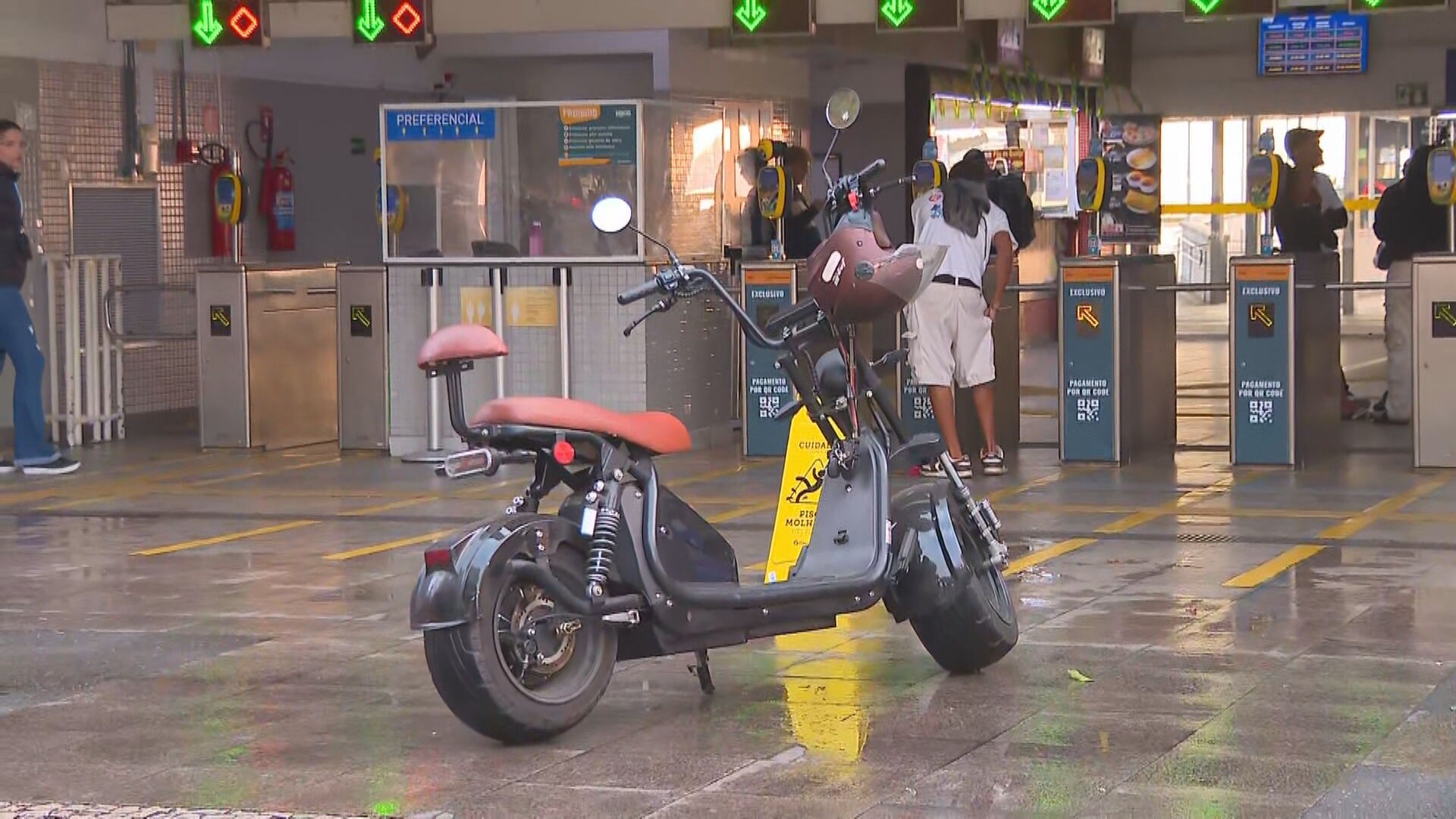
The State Government of Rio de Janeiro has introduced new regulations for transporting bicycles on ferries, as published in the Official Gazette. Effective August 13, 30 days after the resolution's publication, motorized scooters, self-propelled vehicles, and other non-human-powered equipment will no longer be permitted on the ferries. These measures, developed by the Secretariat of State for Transport and Urban Mobility (Setram), aim to enhance safety and organization within the ferry system. During the 30-day transition period, the Barcas Rio consortium will conduct an awareness campaign, distributing informational leaflets and providing clarifications at stations. Banners detailing the new rules will also be displayed at the Praça XV, Arariboia, and Charitas stations. Igor Fuscaldi de Paula, general manager of Operations and Maintenance for Barcas Rio, stated that the resolution stems from a technical study and targets equipment that has become increasingly larger and heavier over time. Conventional bicycles and electric bicycles that can also be human-powered, along with foldable electric scooters, will continue to be allowed. However, on the Charitas line, only foldable bicycles will be permitted. The regulations also stipulate that cyclists will board on a first-come, first-served basis, and bicycle transport is contingent on available space. Passengers with bicycles may need to wait for a subsequent trip if the vessel is full.
This regulatory update reflects an effort to manage increasing passenger loads and diverse mobility devices on public transit. By restricting larger, non-human-powered vehicles, authorities aim to optimize space and ensure safety for all passengers, particularly cyclists. The phased implementation and public awareness campaign suggest a strategy to mitigate disruption and foster compliance. Future considerations might involve dedicated cargo spaces or alternative transport solutions for larger mobility devices, especially as urban mobility trends continue to evolve with technological advancements. Balancing the needs of various user groups while maintaining operational efficiency and safety remains a key challenge for public transportation systems worldwide.
AI-generated to prompt reflection — not editorial opinion, not advice, not a statement of fact. How this works.