Rio de Janeiro gas inspection deadline extended to September 23
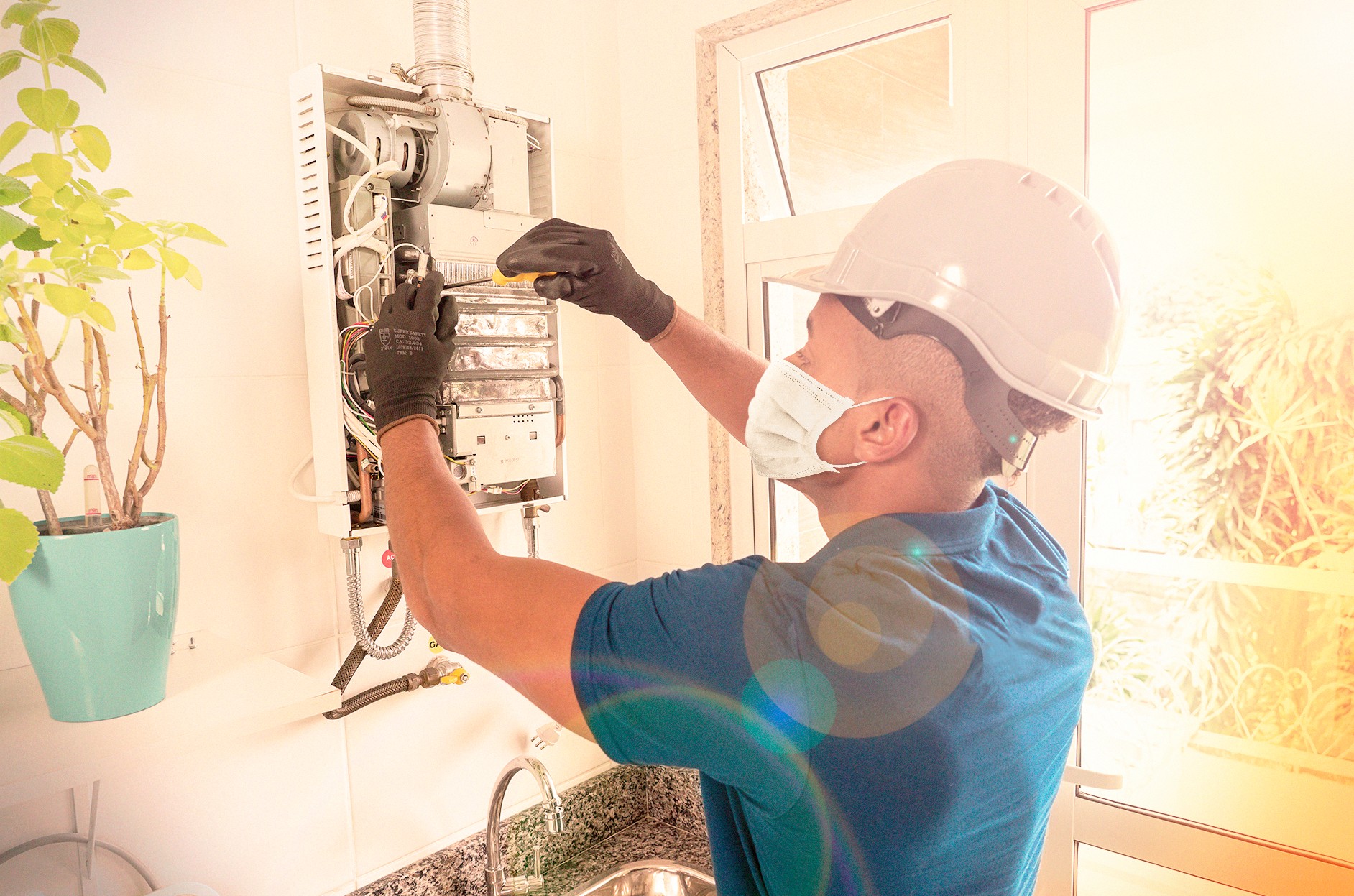
The deadline for the Periodic Gas Inspection (IPG), commonly known as the gas inspection, in the state of Rio de Janeiro has been extended to September 23. This decision was made by the Regulatory Agency for Energy and Basic Sanitation of the State of Rio de Janeiro (Agenersa) to increase the number of properties inspected. Agenersa stated that the extension will allow Naturgy to intensify its efforts to find properties that have not yet undergone the inspection, particularly those that are vacant or belong to low-income consumers. Currently, approximately 81% of properties served by the concessionaire have completed the inspection, an improvement from previous years according to the regulatory agency. This improvement follows a Conduct Adjustment Agreement (TAC) signed in March 2023 between the Public Prosecutor's Office, the Public Defender's Office, and Agenersa. The agreement includes expanding the number of accredited companies to perform inspections, thereby increasing service availability and potentially lowering costs for consumers. With the new deadline, Naturgy is expected to strengthen its actions to locate properties that still need the inspection, identifying situations like closed units and vulnerable consumers to help them regularize their status. Agenersa will continue to monitor compliance with the TAC's regulations to ensure all occupied properties are inspected and to guarantee the safety of piped gas installations throughout the state. A list of authorized inspection companies is available on Naturgy's website.
The extension of the gas inspection deadline in Rio de Janeiro highlights the ongoing challenge of ensuring safety and compliance in utility infrastructure. The decision to extend the period, coupled with efforts to reach vulnerable populations and vacant properties, suggests a systemic approach to address access and affordability barriers that may have previously hindered inspection rates. The inclusion of more accredited companies under the Conduct Adjustment Agreement indicates a market-based strategy to increase service capacity and potentially drive down costs. Moving forward, regulatory bodies will likely focus on sustained monitoring and evaluating the long-term impact of these measures on overall safety compliance and consumer protection, particularly as the state navigates evolving energy and infrastructure demands.
AI-generated to prompt reflection — not editorial opinion, not advice, not a statement of fact. How this works.