Rio de Janeiro Grapples with Daily Motorcycle Fatality Crisis
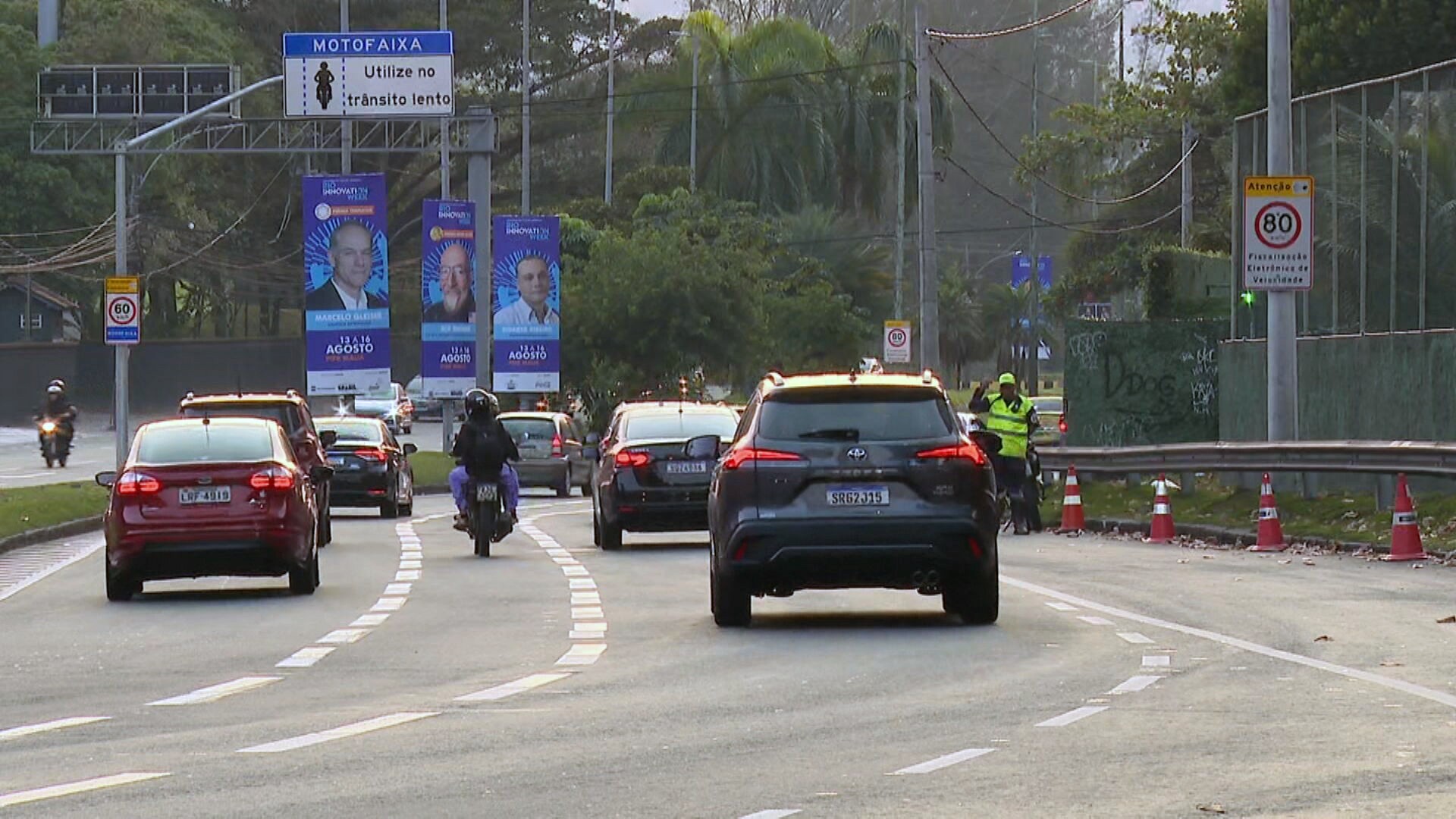
Rio de Janeiro is facing a severe crisis driven by the surge in motorcycle usage, leading to an average of one fatality per day. This phenomenon has transformed the city's streets, with motorcycles filling the void left by perceived inadequate public transportation and creating a new gig economy for delivery workers. The increase in motorcycle accidents has placed immense pressure on hospitals and emergency rescue teams. From January to June of this year alone, 257 motorcyclists died, and thousands more were injured, with many survivors suffering permanent consequences. For instance, a 24-year-old named Bruno, who had been riding motorcycles since age 13, lost a leg in a recent accident, impacting his ability to work and provide for his two children. Researchers estimate that for every motorcyclist fatality, there are approximately 112 hospital visits, with one-third of these victims experiencing severe, lasting disabilities and often becoming reliant on social security, indicating a significant long-term social cost. In response, legislative efforts are underway. A complementary bill in the Brazilian Congress aims to establish a legal framework for app-based motorcycle work, proposing minimum wages, social security protections, and greater platform transparency. Concurrently, a municipal project in Rio seeks to regulate passenger transport by motorcycle apps, gaining urgency after a fatal accident involving a passenger last November. Experts advocate for increased involvement from app companies in accident prevention, suggesting they leverage their data to identify high-risk areas and inform public safety policies, alongside continuous training for professional riders. The city is also expanding dedicated 'motofaixas' (motorcycle lanes), aiming for 75 kilometers by year-end, though their effectiveness is debated without complementary enforcement. Ultimately, experts stress that sustainable solutions require a multi-pronged approach, including improved road infrastructure, robust traffic education, and critically, a significant enhancement of public transportation to offer competitive travel times, addressing the primary driver for motorcycle adoption.
The escalating motorcycle-related fatalities in Rio de Janeiro highlight a complex interplay between public transportation deficits, the rise of the gig economy, and urban infrastructure challenges. The current situation suggests that the rapid adoption of motorcycles, driven by the need for faster and more accessible transport, has outpaced the development of adequate safety measures and regulatory frameworks. While app-based platforms offer employment opportunities, their business models may inadvertently incentivize risky behavior or fail to fully account for the externalities of accidents, such as healthcare costs and long-term disability. Future policy interventions should consider incentivizing safer operational practices within the gig economy and investing in public transport infrastructure that can compete on speed and reliability. A holistic approach, integrating urban planning, labor rights, and public health perspectives, is essential to mitigate these systemic risks and foster a more sustainable urban mobility ecosystem for the coming decade.
AI-generated to prompt reflection — not editorial opinion, not advice, not a statement of fact. How this works.
