Rio de Janeiro Gripped by Chaos After 100 km/h Winds Cause Widespread Disruption
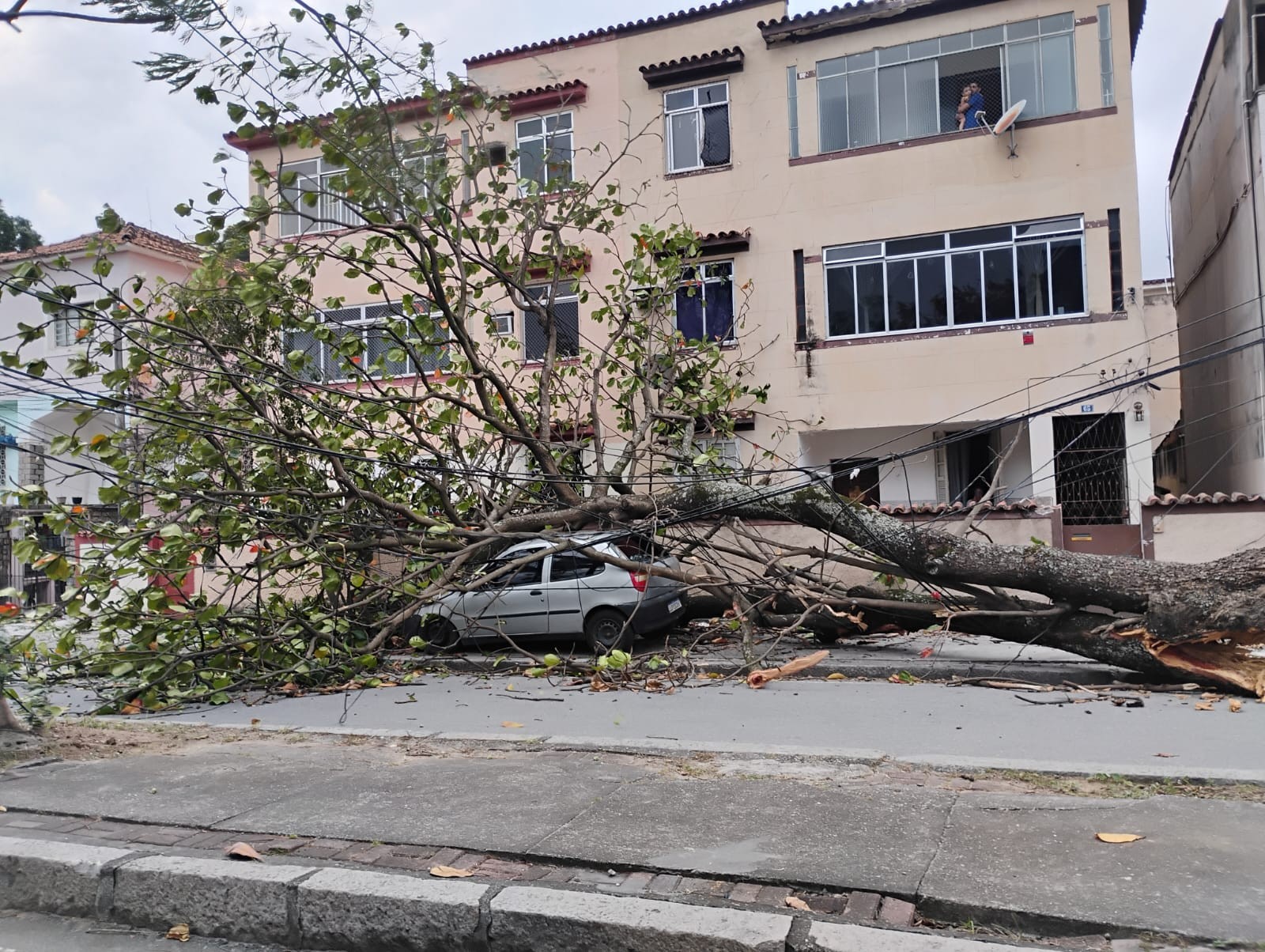
Rio de Janeiro and its metropolitan area experienced significant disruption on Wednesday, November 29th, due to powerful wind gusts exceeding 100 km/h. The extreme weather prompted the city to enter Alert Stage 2, leading to widespread power outages affecting numerous neighborhoods in the capital and the Baixada Fluminense region. The electrical failures paralyzed the metro and train services, with Line 2 of the metro remaining completely shut down due to power supply issues, while other lines experienced normalization of service intervals. Traffic signals also went dark, exacerbating traffic problems across the city. The wind caused extensive damage, including numerous tree falls in various locations throughout Greater Rio. While airport operations were maintained, four flights destined for Galeão Airport were diverted. The Santos Dumont Airport suspended its operations. The Ponte Rio-Niterói bridge implemented a "convoy operation," with traffic managed by the concessionaire's teams in response to the wind. Mayor Eduardo Cavaliere urged residents to avoid non-essential travel and exercise caution, particularly when returning home, advising against open areas and building overhangs. The Civil Defense recommended securing objects, closing windows and doors, and avoiding shelter under trees or metal structures.
The severe weather event in Rio de Janeiro highlights the critical need for resilient urban infrastructure capable of withstanding increasingly extreme climatic conditions. The cascading failures across transportation, power grids, and traffic management systems underscore systemic vulnerabilities. Future urban planning must integrate robust contingency measures and proactive maintenance to mitigate the impact of such events, considering the projected intensification of weather phenomena. Addressing these challenges requires coordinated efforts between public utilities, transportation authorities, and municipal governments to enhance preparedness and response mechanisms, ensuring public safety and minimizing economic disruption in the face of environmental volatility.
AI-generated to prompt reflection — not editorial opinion, not advice, not a statement of fact. How this works.