Rio de Janeiro Hit by 105 km/h Sandstorm and Widespread Power Outages
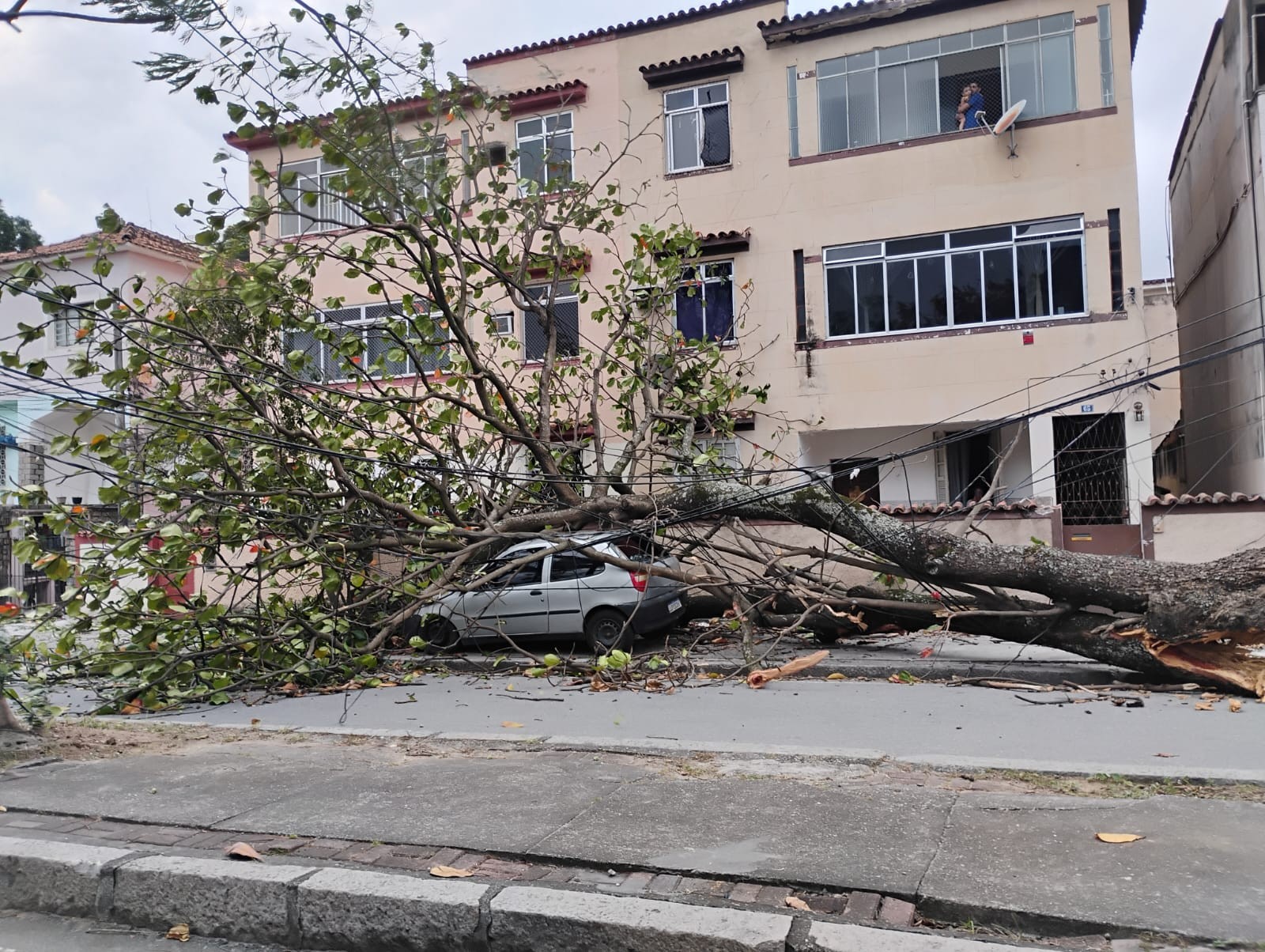
A powerful cold front brought winds exceeding 105 km/h to Rio de Janeiro and its metropolitan area on Wednesday, October 29th, triggering a significant sandstorm along the Linha Vermelha. The intense winds, with gusts reaching 105 km/h as recorded at the Galeão station, caused widespread chaos and disruptions. A video captured the dramatic moment the sandstorm enveloped the area, reducing visibility and creating hazardous conditions. The severe weather led to a massive power outage affecting numerous neighborhoods in the capital, including Botafogo, Barra da Tijuca, Copacabana, and Ipanema, as well as parts of the Baixada Fluminense region like Duque de Caxias. Public transportation also suffered significant impacts, with train and subway services paralyzed and traffic signals rendered inoperable. Mayor Eduardo Cavaliere urged residents to exercise caution, avoid unnecessary travel, and stay away from open areas and building overhangs due to the risk of falling trees and debris. The Civil Defense provided safety recommendations, advising people to secure loose objects, stay indoors with windows closed, and avoid parking vehicles near potential hazards like trees or power lines. The storm also forced beachgoers to evacuate Ipanema beach, with umbrellas and chairs being swept away by the strong gusts.
The extreme weather event in Rio de Janeiro highlights the vulnerability of urban infrastructure to climate-related phenomena. The rapid onset of high winds and a sandstorm, coupled with widespread power outages and transportation disruptions, underscores the need for enhanced resilience planning. As climate patterns evolve, cities must invest in robust infrastructure, early warning systems, and public education campaigns to mitigate the impact of increasingly severe weather events. This incident also points to the interconnectedness of urban systems, where a single event can cascade through power grids, transportation networks, and public safety, necessitating a holistic approach to urban planning and disaster preparedness.
AI-generated to prompt reflection — not editorial opinion, not advice, not a statement of fact. How this works.