Rio de Janeiro Hit by 20-Year Strongest Winds, Causing Widespread Destruction
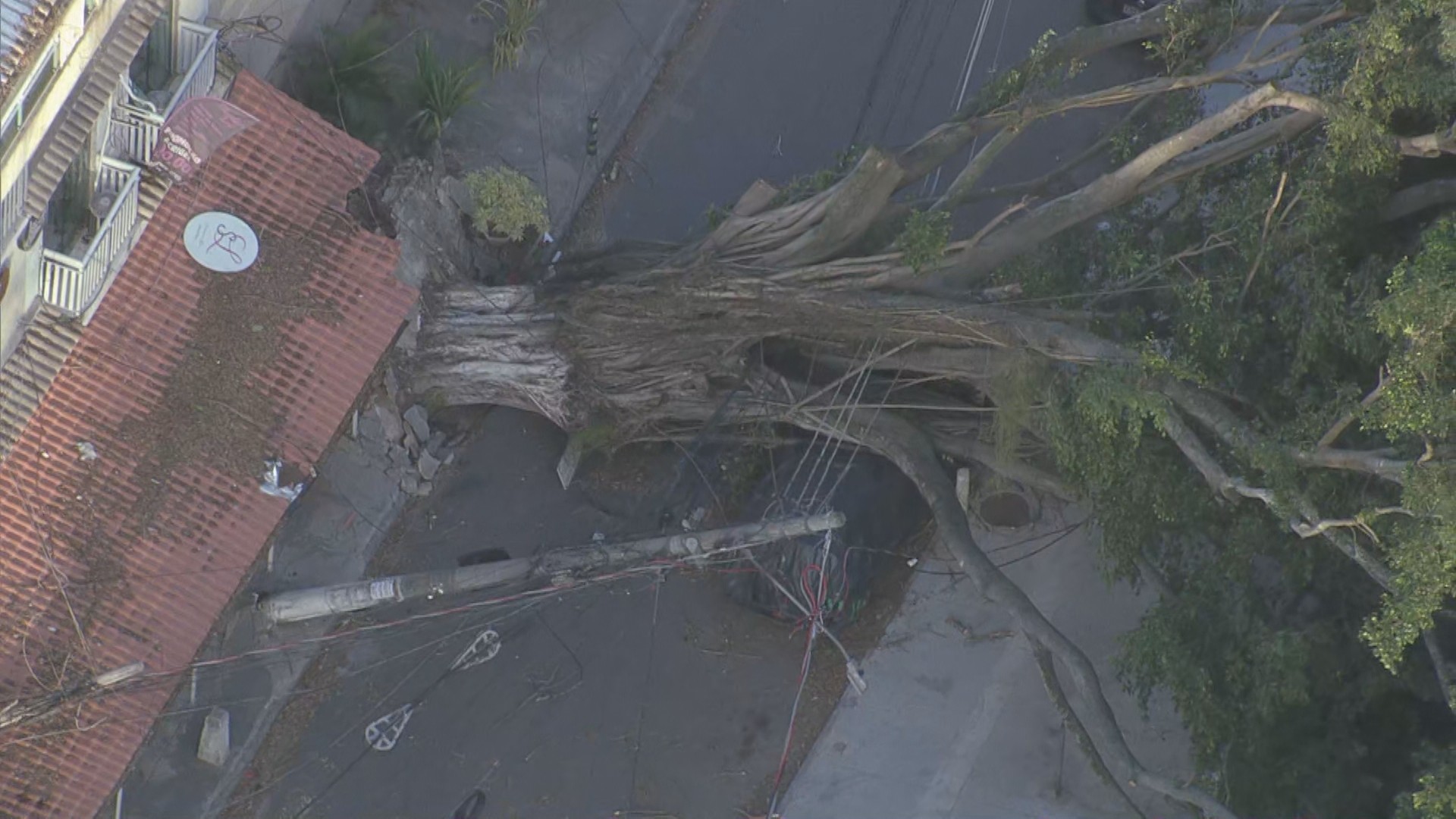
Rio de Janeiro experienced its strongest winds in two decades on Wednesday, November 29th, with gusts reaching 105 km/h at Galeão International Airport. This event, described as extreme, caused significant destruction across the metropolitan area. Nearly 270 trees fell, numerous properties lost their roofs, and even structures at the Rock in Rio festival site were damaged. Tragically, two people died in Santa Teresa when a wall collapsed on them; the victims were identified as former Botafogo player Tássio Maia dos Santos, 41, and his friend Vandré Cordeiro da Silva, 43. The most affected neighborhoods included Bangu, Campo Grande, Santa Cruz, Anchieta, Catumbi, Tijuca, Jacarepaguá, and Recreio dos Bandeirantes. In Nova Iguaçu, a water tank was ripped from a 20-story building, and a local plaza was destroyed. The Recanto das Garças BRT station also suffered roof damage, leading to its closure. Rio's mayor, Eduardo Cavaliere, attributed the event to the effects of El Niño, stating it was more intense than predicted. However, meteorologists from Climatempo disagreed, clarifying that while El Niño can increase the frequency of extreme weather events, it does not directly cause them.
The severe wind event in Rio de Janeiro highlights the increasing vulnerability of urban infrastructure to extreme weather, potentially exacerbated by climate change phenomena like El Niño. While the immediate cause is attributed to meteorological conditions, the scale of destruction, including fallen trees, damaged buildings, and fatalities, points to systemic issues in urban planning and disaster preparedness. The differing scientific interpretations of El Niño's direct role underscore the complexity of attributing specific events to broader climate patterns, emphasizing the need for robust climate modeling and risk assessment. Future urban development must integrate resilience strategies, considering the heightened frequency and intensity of extreme weather events to mitigate loss of life and property.
AI-generated to prompt reflection — not editorial opinion, not advice, not a statement of fact. How this works.