Rio de Janeiro Hit by Power Outages and Damage from 90+ km/h Winds
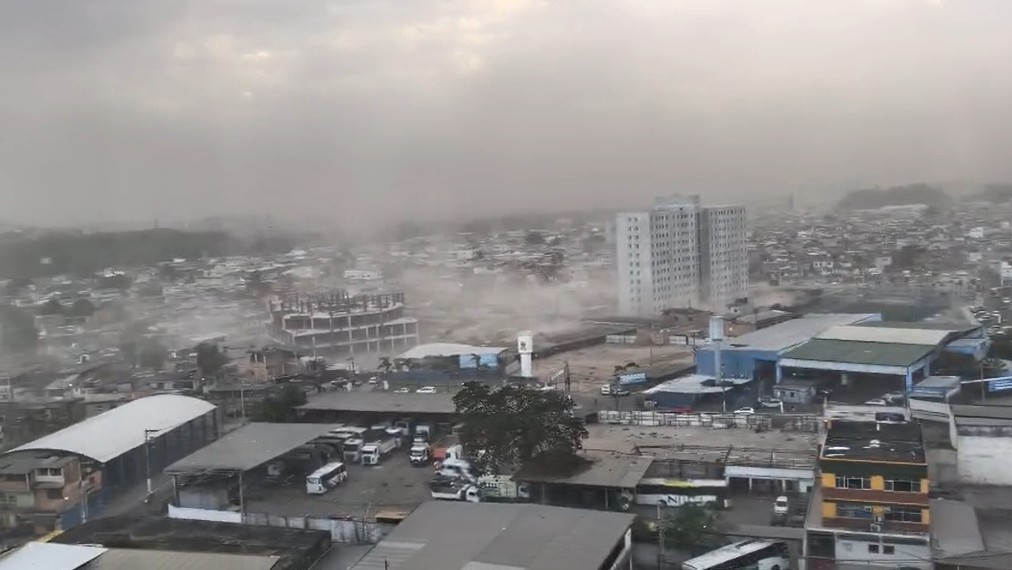
Strong wind gusts exceeding 90 km/h swept through Rio de Janeiro and its metropolitan region on Wednesday afternoon, causing widespread power outages and significant damage. In Santa Cruz, located in the city's West Zone, wind speeds reached 92 km/h. The severe weather led to disruptions in public transportation, with train services suspended on some lines and the entire metro system halting operations across its three lines due to power failures. Passengers reported trains stopping mid-journey. Power outages affected numerous neighborhoods in the capital, including Botafogo, Barra da Tijuca, São Conrado, Glória, Flamengo, Copacabana, São Cristóvão, Ipanema, and Tijuca, as well as areas in the Baixada Fluminense, such as Duque de Caxias. The Civil Defense agency reinforced warnings for residents to take precautions both indoors and outdoors, advising them to keep windows and doors shut, disconnect electrical appliances, and turn off gas lines if necessary. They also recommended securing loose objects, trimming trees, and avoiding shelter under trees or metal structures. Pedestrians were warned to stay clear of power lines, billboards, and scaffolding, and to avoid outdoor activities, especially near the sea. The agency cautioned that falling trees could damage the electrical grid, increasing the risk of electric shock, and advised against using candles during power outages to prevent fires. The strong winds also caused trees to fall in various locations across Greater Rio, including Padre Miguel, Campo Grande, Santa Cruz, and Recreio dos Bandeirantes, leading to traffic disruptions.
The event highlights the vulnerability of urban infrastructure in Rio de Janeiro to extreme weather phenomena, exacerbated by high wind speeds. The widespread power outages and transportation disruptions underscore the interconnectedness of essential services and the cascading effects of environmental events. This incident prompts a review of urban planning and infrastructure resilience strategies, particularly concerning the integration of climate change adaptation measures. Future considerations should include enhancing the robustness of the electrical grid against severe weather, improving public transportation system redundancies, and implementing proactive urban forestry management to mitigate risks associated with tree falls. Addressing these systemic issues is crucial for ensuring public safety and minimizing economic impact from increasingly frequent and intense weather events in the coming decade.
AI-generated to prompt reflection — not editorial opinion, not advice, not a statement of fact. How this works.