Rio de Janeiro Hit by Severe Winds: Deaths, Disappearances, and Blackouts Reported
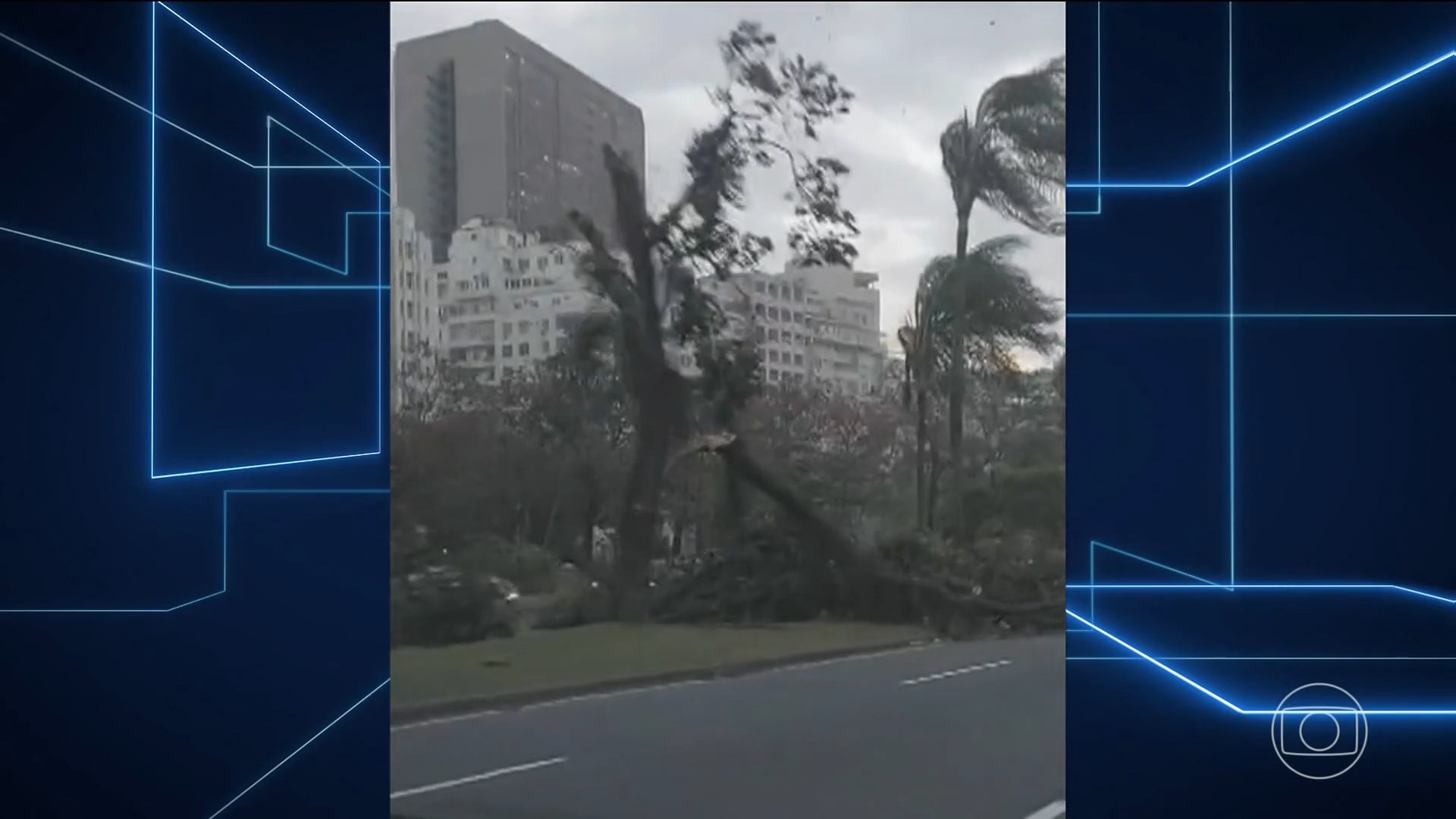
A powerful windstorm swept through Rio de Janeiro state on Wednesday, November 29th, causing widespread disruption. The severe weather resulted in two fatalities, one disappearance, extensive power outages, and significant public transportation issues. In Santa Teresa, the collapse of a wall due to the strong winds led to two deaths. Meanwhile, in Tijuca, energy cables caught fire, contributing to power failures and unlit traffic signals across numerous neighborhoods. The timing of the storm coincided with the evening commute, exacerbating travel difficulties for residents returning home. Major expressways like Linha Vermelha were engulfed in dust clouds, and a billboard on Avenida Brasil struck a car and a motorcyclist. Panic ensued in Ipanema as beachgoers fled, and tourists at Christ the Redeemer experienced a tense situation. Other incidents included a scaffolding collapse in Barra da Tijuca and roofs being torn off houses in various areas. Over 30 trees fell in the capital and surrounding metropolitan cities. Public transport, including trains, the metro, and VLT, had their operations suspended, leaving many passengers stranded and some feeling unwell. Two gas station structures were also toppled in Campo Grande and Niterói. Flights were diverted from Santos Dumont and Tom Jobim airports. The storm was attributed to a cold front meeting a heated atmosphere, with wind gusts exceeding 100 km/h in some parts of the capital. The southern coast also experienced damage, with reports of roofs being torn off in Paraty and a fisherman disappearing in Angra dos Reis.
The severe weather event in Rio de Janeiro highlights the vulnerability of urban infrastructure to extreme meteorological phenomena, exacerbated by climate change. The incident underscores the critical need for robust early warning systems and resilient urban planning that accounts for increasingly unpredictable weather patterns. The cascading failures across transportation, power grids, and public spaces reveal systemic interdependencies that require coordinated risk management strategies. Future preparedness efforts should focus on enhancing the structural integrity of public and private infrastructure, improving emergency response coordination, and investing in climate adaptation measures to mitigate the impact of such events on densely populated areas and their economies.
AI-generated to prompt reflection — not editorial opinion, not advice, not a statement of fact. How this works.