Rio de Janeiro Hosts Numerous July and August Festivals in 2025
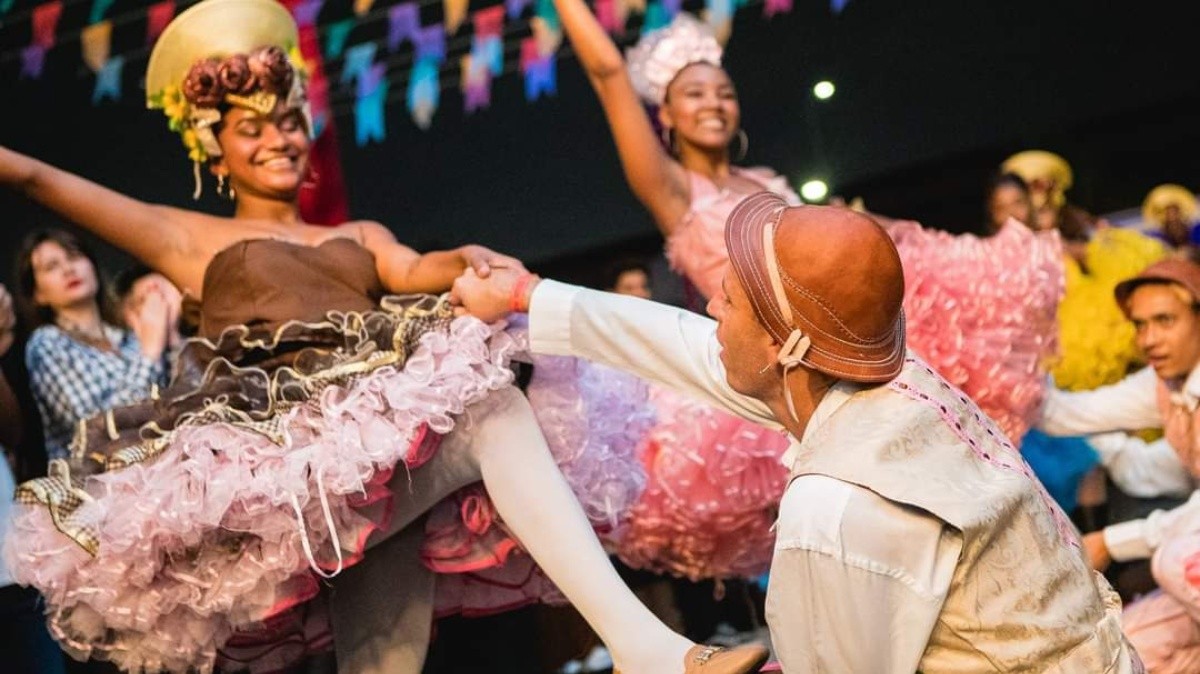
Rio de Janeiro is celebrating July and August with a vibrant calendar of traditional festivals, known as 'arraiás' and 'festas julinas/agostinas'. These events offer a diverse range of experiences, from free community gatherings in public squares and schoolyards to ticketed events featuring major musical performances. Attendees can enjoy traditional quadrilha dances, typical festival foods, and various games and activities suitable for all ages. The program includes events in various neighborhoods across the capital, catering to different preferences and budgets. Some of the free events highlighted are the Arraiá do Via at Via Brasil Shopping in Irajá (July 10-12), the 92nd Anniversary Arraiá at the Museu Histórico da Cidade in Gávea (July 11), and the Arraiá da Estação Primeira at the Estação Primeira de Mangueira quadra (July 11-12). Other free options include Junina da Glória in Praça Luís de Camões (July 11-12) and Arraiá do Lido in Copacabana (July 11-12). Paid events include the Festa Julina do CEAT in Santa Teresa (July 11), starting at R$20, and the Sambotica at Largo do Boticário (July 11), with tickets from R$20 to R$30. Larger ticketed events include Arraiá da Fundição in Lapa (July 17), with prices from R$60 to R$120, featuring artists like Mariana Aydar, and Arraiá da Alegria also at Fundição Progresso (July 24), with tickets ranging from R$85 to R$170, headlined by Sorriso Maroto and Marvvila.
The extensive programming of traditional July and August festivals across Rio de Janeiro reflects a cultural resilience and a strategic leveraging of community events for economic and social engagement. These festivals, blending traditional elements with contemporary entertainment, serve to reinforce cultural identity while also attracting tourism and local spending. The varied pricing structures, from free community events to ticketed performances with significant headliners, demonstrate an adaptive model to cater to diverse socioeconomic groups and market demands. Looking ahead, the integration of such cultural events with digital platforms and broader urban development strategies could further enhance their reach and economic impact, while also presenting opportunities for sustainable community participation and preservation of local traditions in an increasingly globalized and digitized society.
AI-generated to prompt reflection — not editorial opinion, not advice, not a statement of fact. How this works.