Rio de Janeiro inaugurates first regional Financial Intelligence Unit and anti-faction office
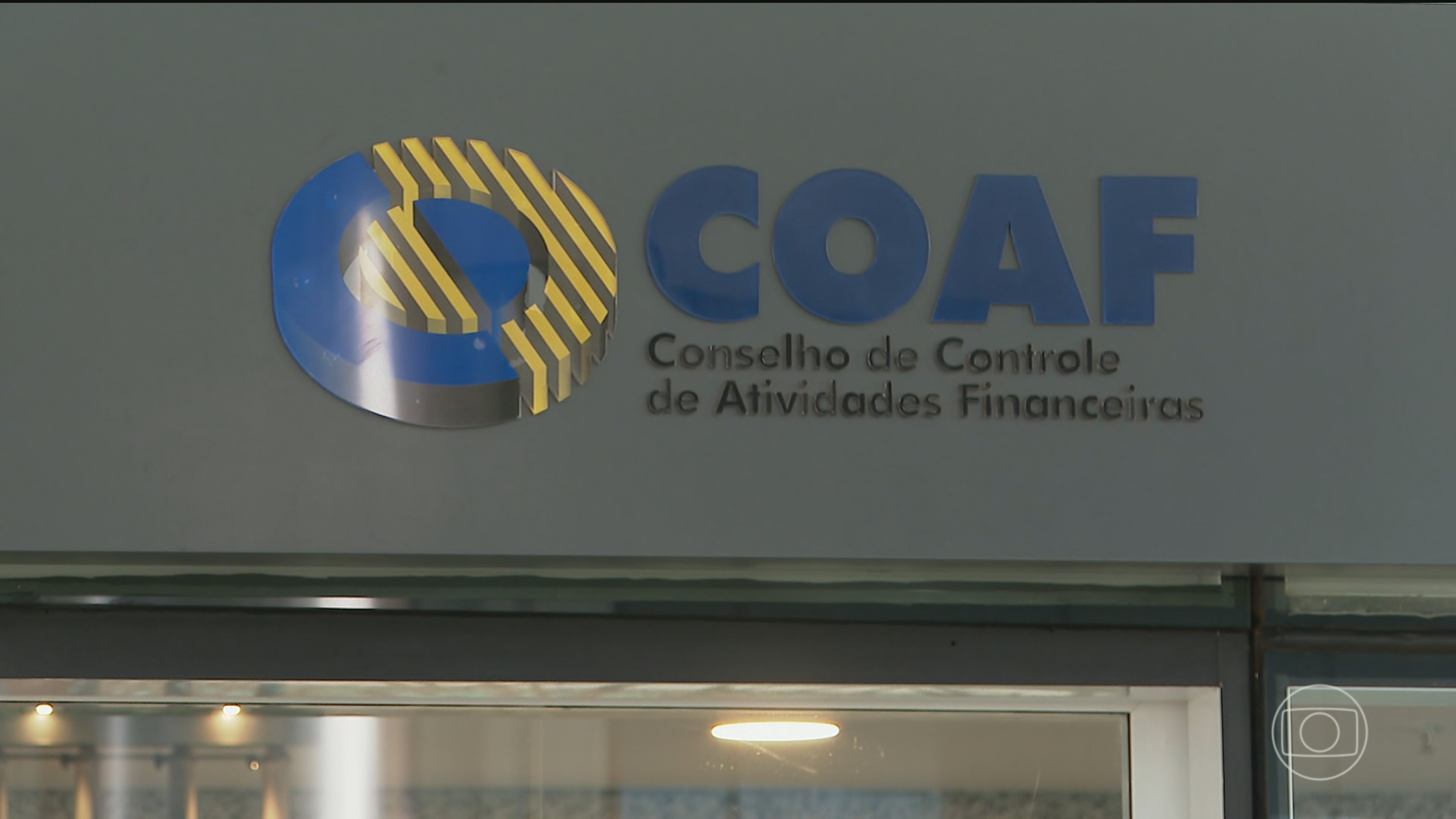
The Brazilian federal government is launching two new initiatives in Rio de Janeiro on Friday, October 3rd, to combat organized crime. The first is the inaugural regional coordination office of the Council for Financial Activities Control (Coaf) outside of Brasília, intended to bring the agency closer to financial activities under investigation. Coaf is responsible for preventing money laundering and terrorism financing. The second initiative, launching the same afternoon, is the National Anti-Faction Office, established by the Ministry of Justice and Public Security (MJSP). These actions are part of a broader federal strategy to increase its presence in priority regions for combating criminal organizations and to enhance collaboration between federal, state, and municipal agencies. The Coaf regional office, set to open at 10 AM, will be led by Federal Police Superintendent Tacio Muzzi. Rio was chosen due to the significant activity of criminal factions there, allowing Coaf to monitor relevant financial movements more directly. Advanced technology will be deployed to boost the tracking of financial transactions and the generation of intelligence reports. The National Anti-Faction Office, inaugurated at 2 PM at the Palácio da Fazenda, will focus on institutional coordination, strategic information sharing, and supporting integrated security operations under the "Brazil Against Organized Crime" program. These offices serve as permanent integration points for security agencies, facilitating joint planning and intelligence exchange, without superseding existing law enforcement responsibilities. Similar strategic units are planned for São Paulo and Foz do Iguaçu.
The establishment of these new federal units in Rio de Janeiro signifies a strategic shift towards decentralized intelligence and operational coordination in combating organized crime. By placing Coaf's regional presence and the National Anti-Faction Office directly within a high-activity zone, the government aims to improve the speed and effectiveness of financial crime investigations and inter-agency cooperation. This approach acknowledges the limitations of a solely Brasília-centric model and seeks to leverage proximity to critical data and operational environments. The long-term success will depend on sustained inter-governmental collaboration, the effective integration of advanced technology, and the ability of these new structures to adapt to the evolving tactics of criminal organizations in the coming decade.
AI-generated to prompt reflection — not editorial opinion, not advice, not a statement of fact. How this works.