Rio de Janeiro Launches Digital Parking System, Phasing Out Cash Payments
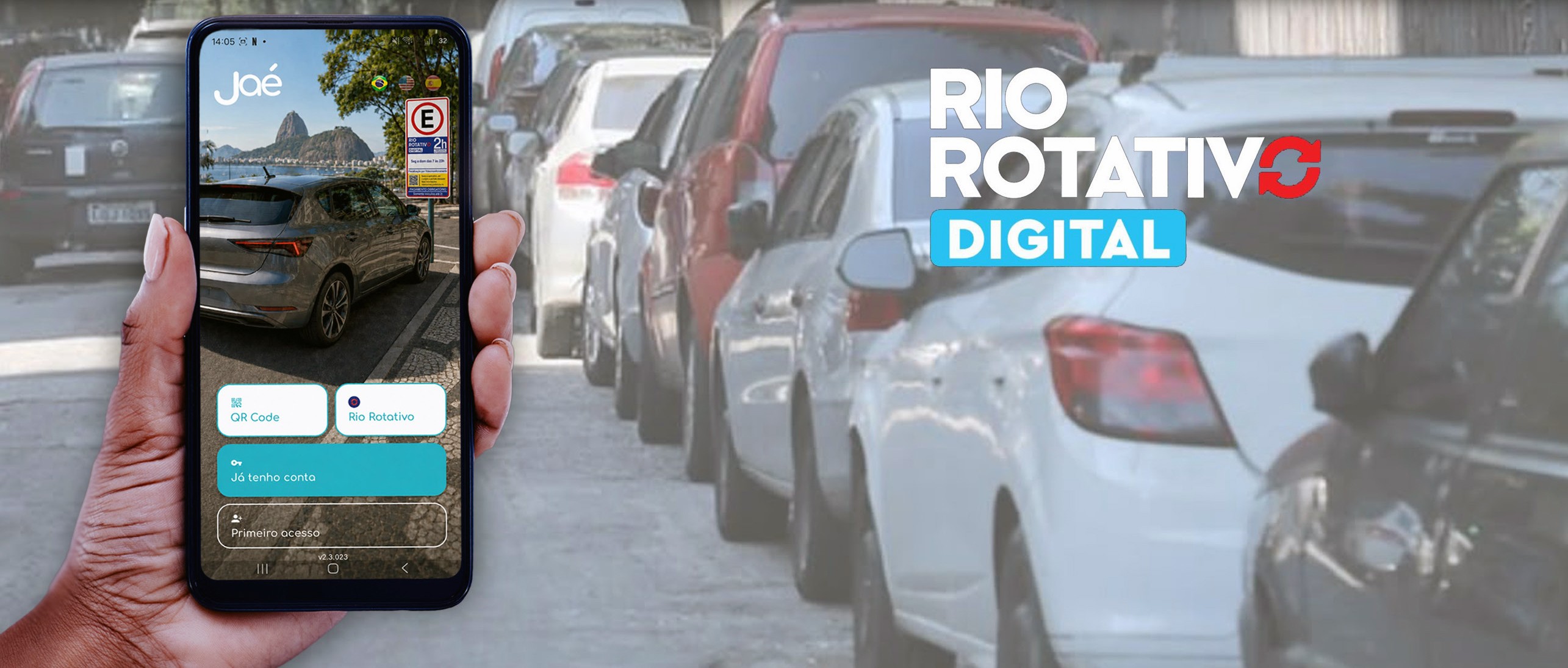
Rio de Janeiro has launched its new digital parking system, known as Rio Rotativo Digital, which began operation on Friday, May 17th. This innovative system aims to gradually eliminate cash payments and the use of paper stubs for public parking spaces within the city. The transition will commence in the area surrounding the Lagoa Rodrigo de Freitas and subsequently expand throughout the South Zone. The regulatory decree for this new model was officially published by the Rio de Janeiro City Hall in the Official Gazette on Tuesday, May 14th.
The Rio Rotativo Digital system will initially pilot with 667 parking spots around the Lagoa Rodrigo de Freitas, covering seven designated areas along Borges de Medeiros and Epitácio Pessoa avenues. These parking zones will operate daily from 7 AM to 11 PM. Future expansions are planned for the South Zone coastline, Southwest Zone, the city center, and the Grande Tijuca area in the North Zone, although a specific timeline for these rollouts has not yet been established.
Motorists will use the 'Jaé' application, already in use for public transport payments, to register and pay for parking. An update to the app will include a dedicated section for Rio Rotativo Digital, where users will activate GPS, confirm their parking location, and input their vehicle's license plate. Payment will be deducted from credits in their 'Jaé' account, which can be recharged via PIX or credit card. The parking fee remains R$2 for the first two hours, with the possibility of renewal for up to six hours. During the initial transition period, drivers will be informed about the new rules and will not be penalized solely for non-compliance with the digital system. The city hall stated that the new system aims to combat extortion by irregular street parking attendants ('flanelinhas'), with increased enforcement against illegal operators.
Registered parking attendants will be trained to assist with information gathering on parking occupancy through the digital platform, but they will not have enforcement powers or the ability to issue fines. The responsibility for issuing traffic citations will remain exclusively with traffic authorities. Accredited associations will manage the identification of eligible attendants, provide uniforms, and supply mobile phones to these professionals.
The implementation of Rio Rotativo Digital represents a modernization effort by the Rio de Janeiro city government, aiming to streamline parking management and enhance revenue collection efficiency. By transitioning from manual cash transactions to a digital platform, the city seeks to mitigate issues associated with informal economies and potential corruption linked to street parking attendants. This shift leverages existing mobile payment infrastructure, potentially improving user experience for compliant citizens. However, the success of this system will depend on robust digital accessibility for all residents, effective enforcement against non-compliance, and the integration of previously informal workers into the formal system. The long-term implications may involve shifts in urban mobility patterns and the potential for data-driven urban planning, but careful consideration of equity and digital inclusion is paramount to avoid exacerbating existing social divides.
AI-generated to prompt reflection — not editorial opinion, not advice, not a statement of fact. How this works.