Rio de Janeiro Launches Lapa Arts District and Selarón Steps Revitalization
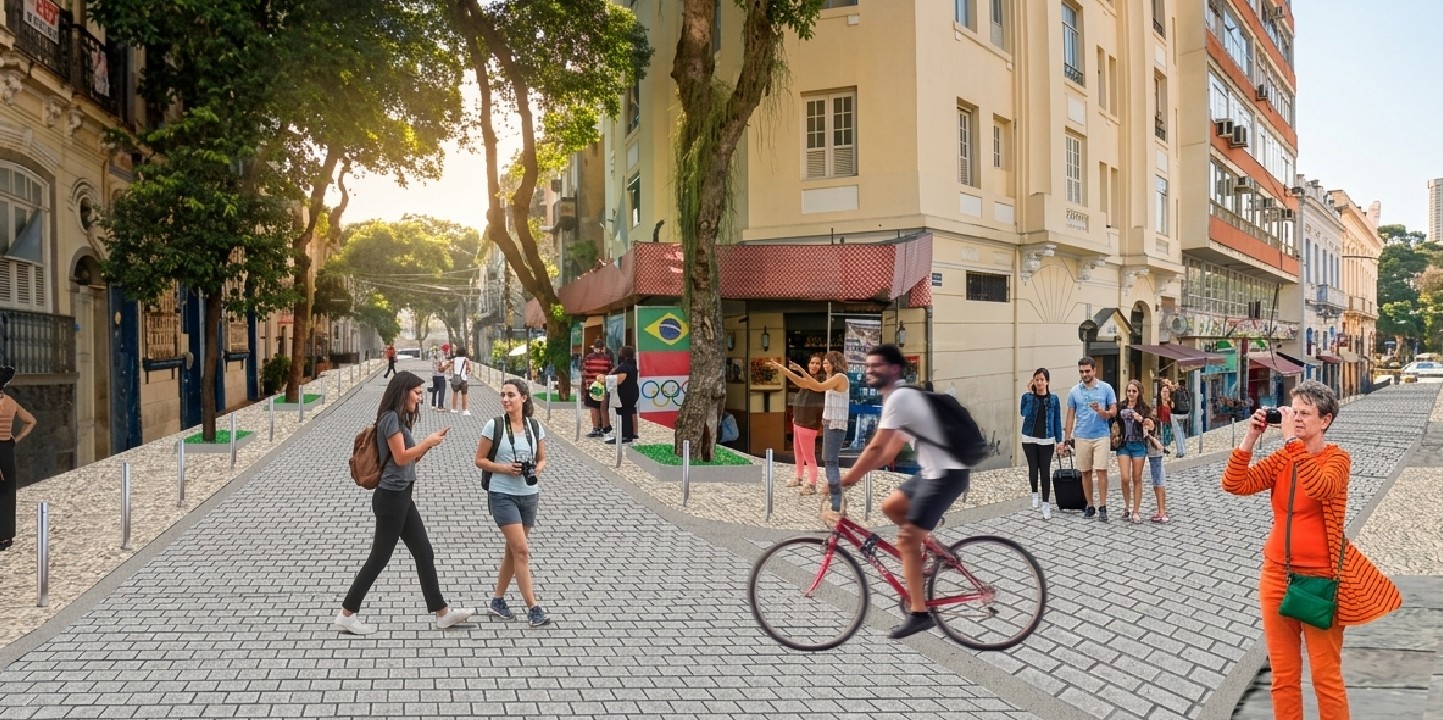
The Rio de Janeiro City Hall has officially established the Lapa Arts and Culture District through a decree, aiming to foster permanent public policy for the integrated valorization of historical and cultural heritage, creative economy, tourism, and public space utilization. This initiative coincides with the commencement of the Boulevard Selarón construction, a urban requalification project focused on the area surrounding the iconic Selarón Steps. The project, which involves an investment of R$1.7 million, will cover approximately 2,000 square meters across Joaquim Silva, Teotônio Regadas, and Visconde de Maranguape streets. It includes new paving, sidewalk improvements, and modernized urban infrastructure to enhance pedestrian circulation and accessibility. Mayor Eduardo Cavaliere highlighted the Selarón Steps' resurgence as a top social media tourist spot post-pandemic, comparable to Christ the Redeemer. The new district plans to integrate Lapa with the Glória and Santa Teresa neighborhoods within 60 days. A memorial honoring artist Jorge Selarón is also planned. The Selarón Steps are currently the third most sought-after tourist attraction in Rio, drawing over 1.5 million visitors annually. Specific improvements include a bus and van drop-off bay on Visconde de Maranguape, widened sidewalks on Joaquim Silva, and Teotônio Regadas street becoming a service road with elevated, interlocking pavement to prioritize pedestrians. The Lapa Arts and Culture District aims to solidify Lapa as Rio's primary hub for arts and culture, encouraging public and private investment and strengthening the creative economy.
The establishment of the Lapa Arts and Culture District and the revitalization of the Selarón Steps area represent a strategic urban development initiative by the Rio de Janeiro City Hall. By officially designating the area as a cultural district, the government signals an intent to leverage its existing cultural assets, such as the Selarón Steps, to drive economic growth through tourism and the creative industries. This approach aligns with broader urban planning trends that seek to revitalize city centers by focusing on cultural heritage and public spaces. The project's success will likely depend on sustained investment, effective management by the proposed Steering Committee, and the ability to balance increased tourism with the needs of local residents and businesses. Furthermore, integrating this district with other cultural hubs in central Rio could create a more cohesive cultural tourism offering, potentially enhancing the city's appeal beyond its most famous landmarks and fostering a more dynamic urban environment for the next decade.
AI-generated to prompt reflection — not editorial opinion, not advice, not a statement of fact. How this works.