Rio de Janeiro launches new BRT bus line connecting Olympic Center to Anil
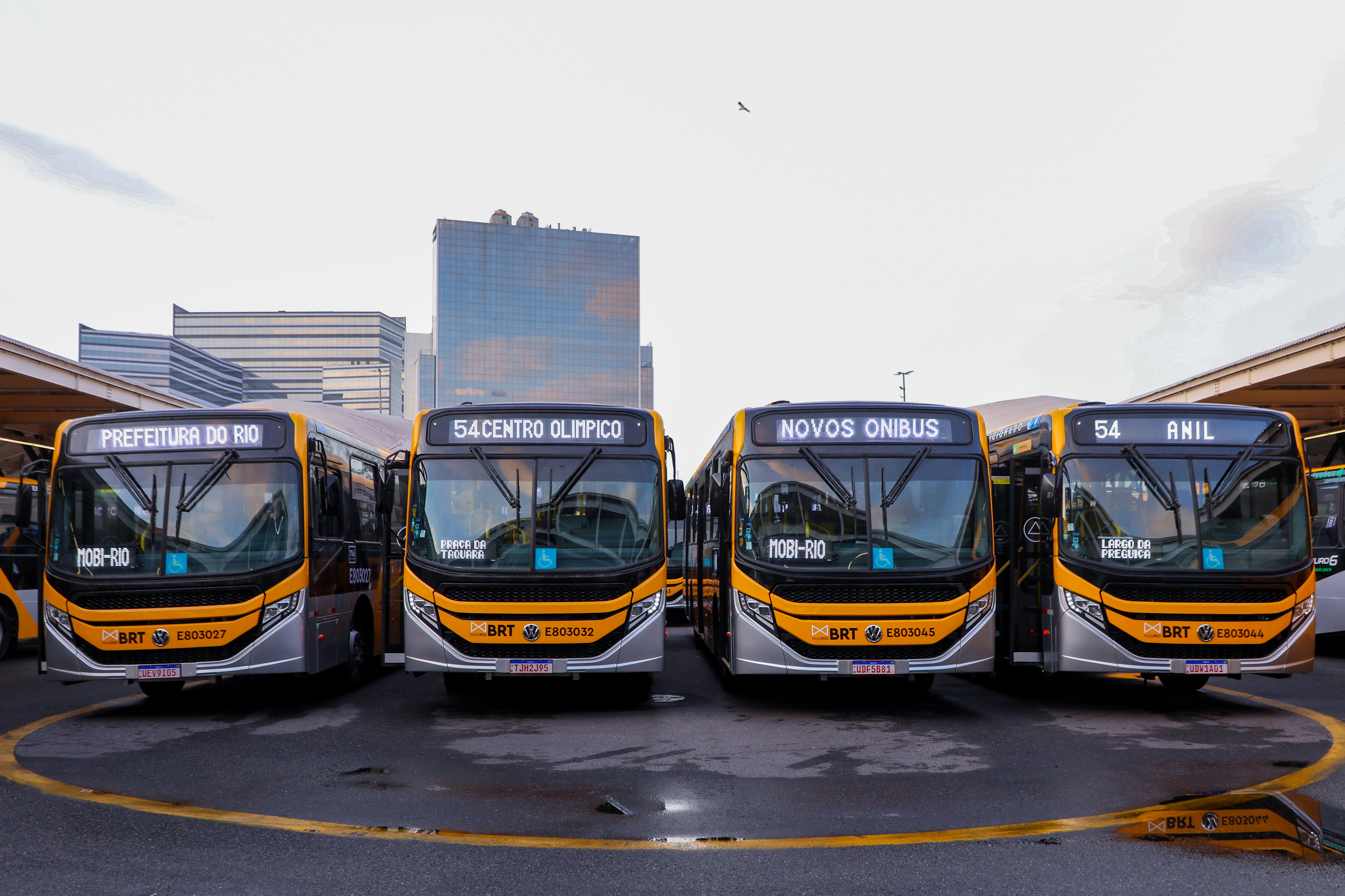
The city of Rio de Janeiro has launched a new bus rapid transit (BRT) line, designated as line 54 of the Conexão BRT service. This new route commenced operations on Saturday, February 25th, connecting the Olympic Center to the Anil neighborhood in Jacarepaguá, located in the Southwest Zone of the city. The service will traverse key areas including Riocentro, Curicica, Taquara, Pechincha, and Freguesia. This expansion aims to enhance connectivity between neighborhoods in the Southwest Zone and the existing BRT corridors. According to the Municipal Secretariat of Transport, line 54 will operate daily from 4 AM to 11 PM, with bus intervals of eight minutes during weekdays. Mobi-Rio will manage the service using a fleet of 25 new buses. The route establishes a direct link for residents of Freguesia, Curicica, and Taquara to the BRT system, eliminating the need for transfers and also connecting neighborhoods around the Linha Amarela. Passengers can board at conventional bus stops, with payment options including the Jaé system, Pix, or Riocard for users of the Bilhete Único Intermunicipal. With the addition of line 54, Conexão BRT now operates four lines across the city: line 28 (Terminal Curral Falso x Terminal Pingo D'Água), line 54 (Centro Olímpico x Anil), line 67 (Campo Grande x Terminal Deodoro), and line 68 (Bangu x Terminal Deodoro).
The introduction of a new BRT line in Rio de Janeiro signifies an effort to improve urban mobility and public transportation access in the Southwest Zone. By creating direct connections and reducing transfer requirements, the initiative aims to enhance efficiency and user convenience within the existing transit network. The operational details, including daily service hours and frequency, suggest a focus on meeting commuter demands. The integration of multiple payment methods, such as Jaé, Pix, and Riocard, reflects a broader trend towards modernizing fare collection systems. From a systemic perspective, this expansion could alleviate pressure on other transport modes and potentially influence urban development patterns in the served areas. Evaluating the long-term impact will require monitoring ridership, operational costs, and the line's contribution to overall network integration and sustainability in the context of evolving urban transportation landscapes.
AI-generated to prompt reflection — not editorial opinion, not advice, not a statement of fact. How this works.