Rio de Janeiro Officials Arrested in $86 Million Public Funds Embezzlement Scheme
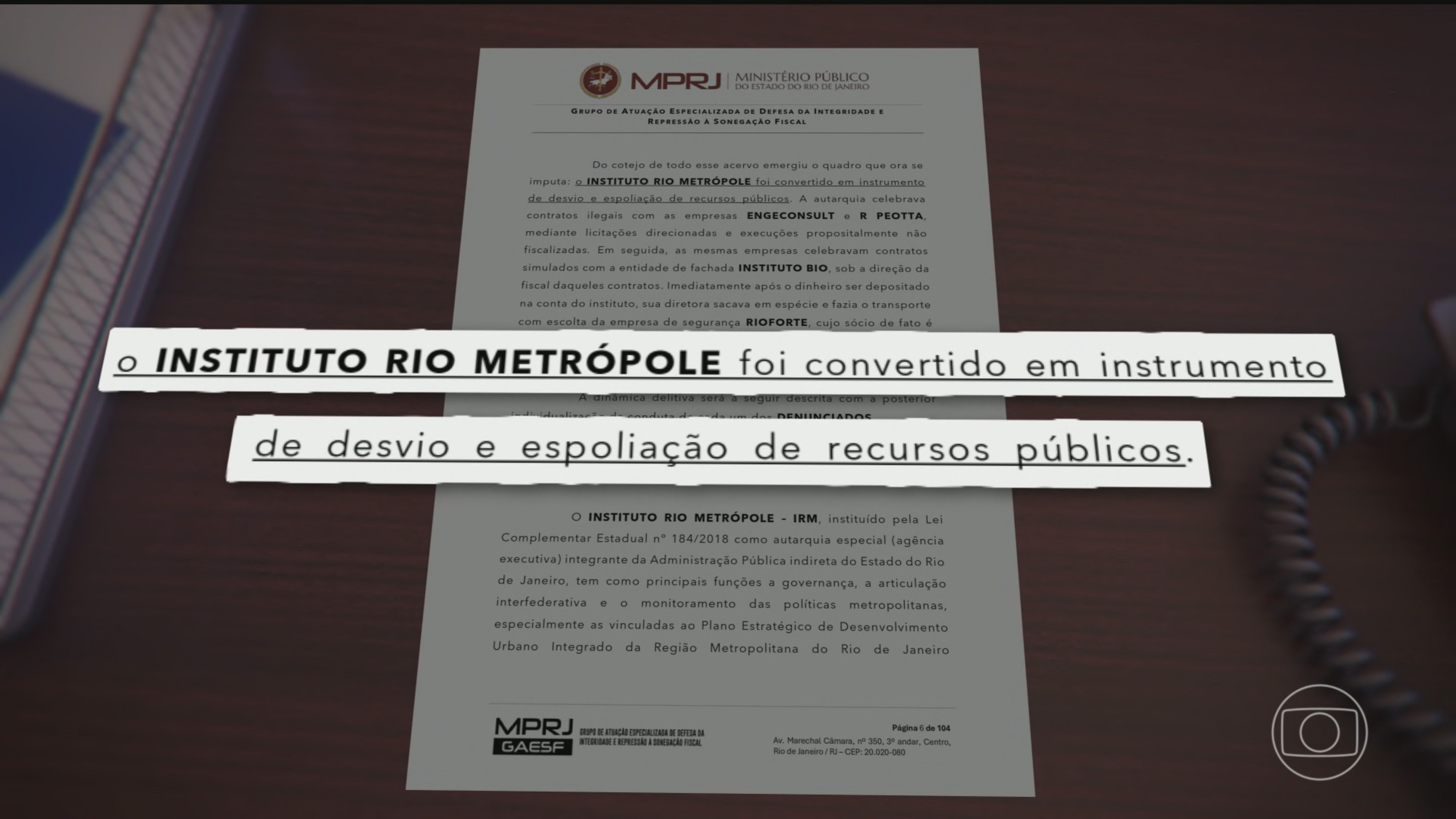
The Public Prosecutor's Office in Rio de Janeiro has arrested several government officials accused of embezzling R$ 86 million (approximately $16 million USD) in public funds over the past four years. Among those detained are a Civil Police delegate, a state prosecutor, and the president of a state agency. Investigations revealed that the Institute of Metropolitan Rio, established in 2018 for regional development planning, was allegedly used as a vehicle for corruption. Prosecutors claim the scheme involved fraudulent bidding processes and the siphoning of state funds. The investigation was triggered in January 2026 by a tip regarding a former inspector who made suspicious cash withdrawals totaling over R$ 3 million. This inspector, identified as Caroline Soares Barros, was allegedly responsible for managing a front company that received a portion of the illicit funds. Also arrested were Davi Perini Vermelho, president of the Institute of Metropolitan Rio; delegate Franquis Dias Nepomuceno, allegedly linked to a security firm involved in the withdrawals; and state prosecutor Marcelo Lopes da Silva. They face charges including criminal organization, passive corruption, bid rigging, and money laundering. The judiciary has ordered the suspension of the officials and the seizure of their assets. The State Attorney General of Rio de Janeiro stated that state structures have been co-opted by criminals, contributing to the state's long-standing financial difficulties. The Rio de Janeiro government has pledged cooperation in combating corruption.
This operation highlights systemic vulnerabilities within public administration, where specialized agencies created for development can be repurposed for illicit gain. The scale of the alleged embezzlement, R$ 86 million over four years, suggests a deep-seated issue rather than isolated incidents. The involvement of a delegate, a prosecutor, and agency leadership points to potential collusion across different levels of governance. Such schemes not only deplete public resources but also erode public trust and hinder essential services, potentially exacerbating the state's documented financial challenges. Future reforms may need to focus on enhanced oversight, transparent procurement processes, and robust whistleblower protection mechanisms to prevent similar exploitation of public trust and resources in the digital age.
AI-generated to prompt reflection — not editorial opinion, not advice, not a statement of fact. How this works.