Rio de Janeiro Police Create Unit to Combat 'Crime Drones' Launching Explosives
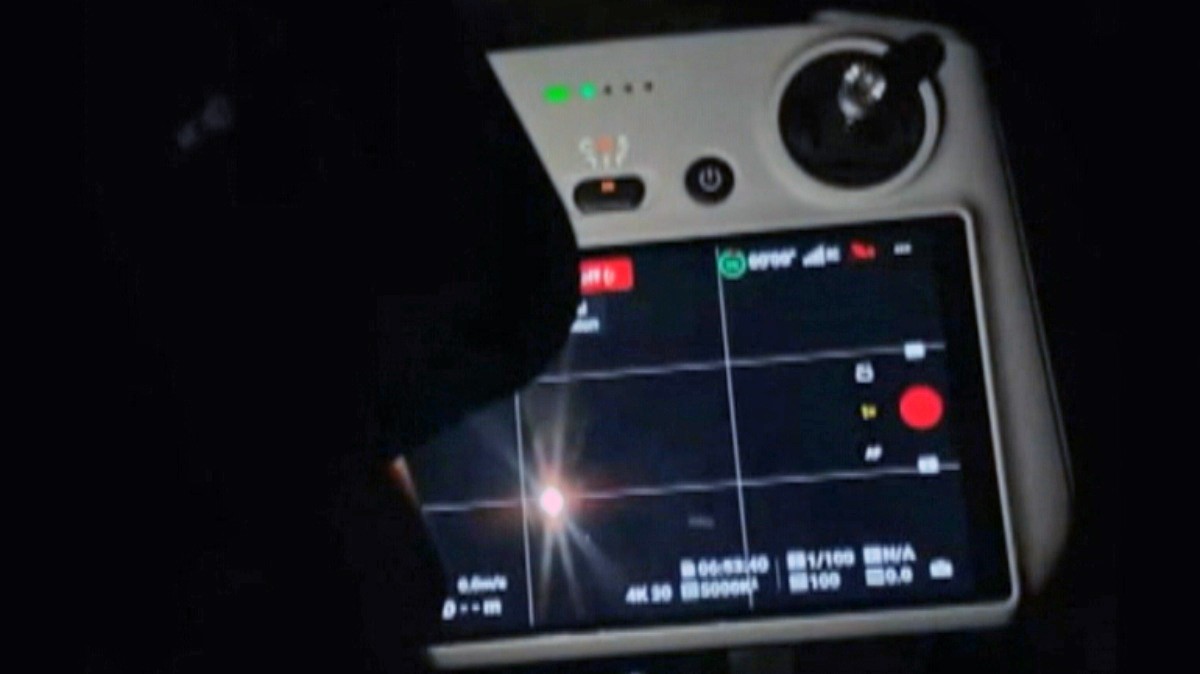
Criminal factions in Rio de Janeiro are increasingly using drones not just for surveillance but also for direct attacks, launching explosives in conflict-ridden areas. This escalation has prompted the Civil Police to establish a specialized unit, the Coordination of Operations with Unmanned Aircraft, to combat the organized crime use of these aerial devices. Initially employed to monitor police movements and rival groups, the drones are now a significant concern for security forces due to their use in explosive attacks. Recent incidents include a grenade launched by a drone hitting a residence in Curicica and another attack targeting a police armored vehicle in the same region, though no injuries were reported in these specific cases. Evidence suggests these drones are crucial for factions to expand surveillance capabilities and impede police actions, with some criminals even reportedly undergoing training abroad, potentially in Ukraine, to learn advanced drone warfare techniques. The police are adapting to this evolving threat, with some drones being improvised with basic materials to carry explosives, while others are more sophisticated. The specialized unit, created in March, aims to monitor, investigate, and counter the illicit use of drones by criminal organizations, recognizing the professionalization of roles like 'drone pilot' within these groups. Security forces are actively working to develop countermeasures, protect officers during operations, and gather evidence to prosecute those involved in the illegal use of these technologies.
The increasing deployment of weaponized drones by criminal organizations in Rio de Janeiro signifies a critical evolution in illicit operational capabilities, moving beyond mere surveillance to direct offensive actions. This technological adoption by non-state actors highlights a global trend where advancements in accessible drone technology are being leveraged for asymmetric warfare, posing significant challenges to traditional law enforcement and security paradigms. The reported training abroad suggests a potential for knowledge transfer and sophistication in tactics, necessitating a proactive and adaptive intelligence and counter-drone strategy. From a systems perspective, this escalation underscores the dual-use nature of emerging technologies and the imperative for continuous innovation in defensive measures to maintain public safety and state authority in urban environments.
AI-generated to prompt reflection — not editorial opinion, not advice, not a statement of fact. How this works.