Rio de Janeiro Police Investigated for Alleged Bribes from Criminal Faction
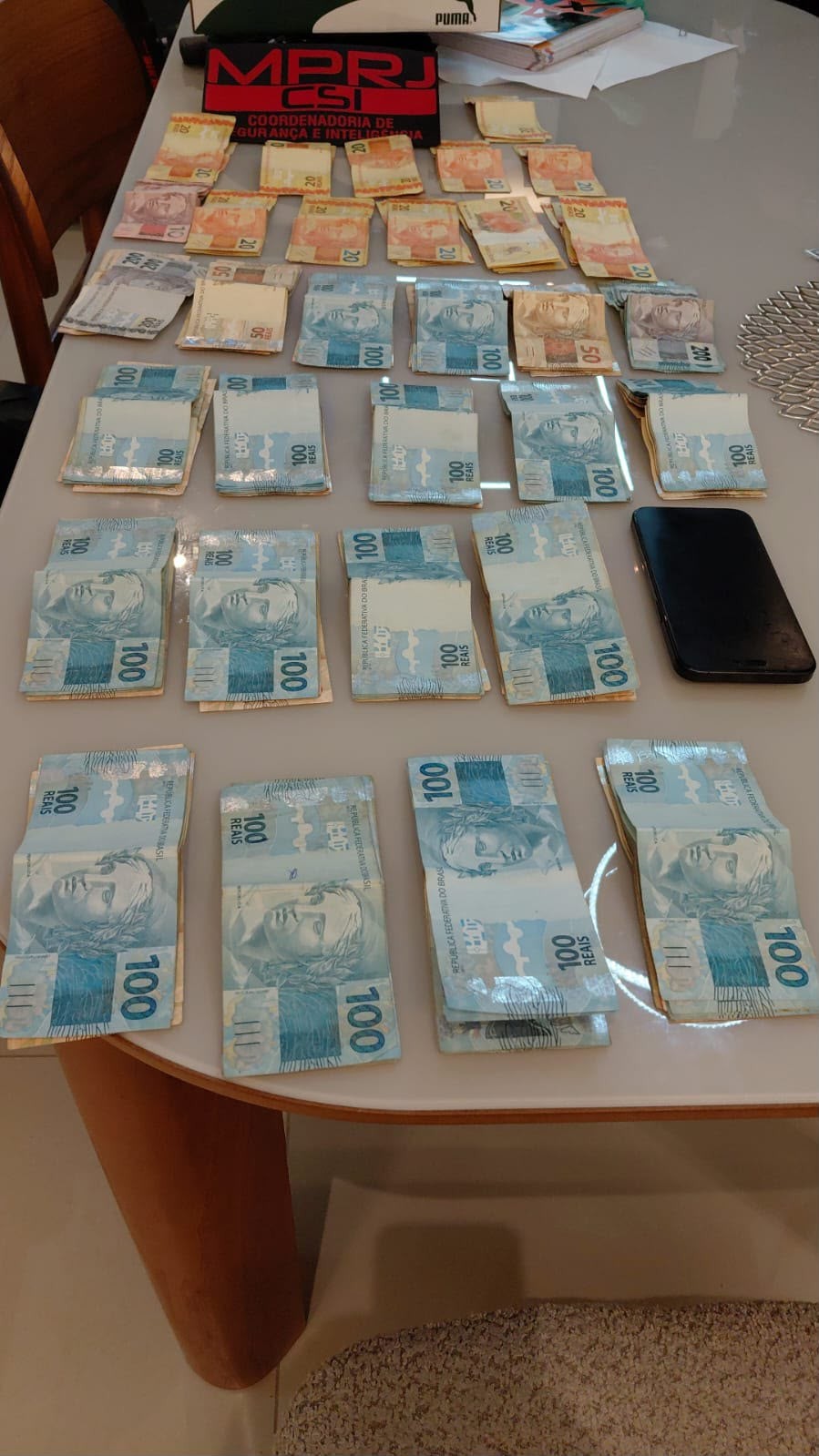
The Public Prosecutor's Office of Rio de Janeiro (MPRJ), through its Special Action Group to Combat Organized Crime (Gaeco), executed seven search and seizure warrants on Friday, March 3rd. The operation targets two military police officers suspected of armed criminal association and passive corruption. Investigations suggest these officers were involved in a scheme to receive bribes from drug traffickers belonging to the 'Comando Vermelho' faction. In exchange for these payments, the officers allegedly neglected their duty to combat drug trafficking in communities within Japeri, located in the Baixada Fluminense region. The inquiry originated from an investigation into military police officer Alan Silva do Nascimento, who has previously been indicted for homicide and convicted for drug trafficking and illegal possession of a restricted-use rifle and ammunition. Gaeco indicates that Alan and other members of a group known as 'Irmãos Metralha' are suspected of various corruption offenses. The two officers targeted in the recent operation were part of the same patrol unit during the period under investigation. They were assigned to the 24th Military Police Battalion (BPM), responsible for policing Queimados, Japeri, Paracambi, Seropédica, and Itaguaí. The warrants, issued by the Military Justice Audit, are being executed at addresses in Queimados and Nova Iguaçu, as well as at the 20th BPM in Mesquita, where the investigated officers are currently stationed.
This operation highlights the persistent challenge of corruption within law enforcement agencies, particularly in regions grappling with organized crime. The alleged involvement of officers in accepting bribes from a powerful criminal faction like 'Comando Vermelho' suggests potential systemic vulnerabilities in oversight and internal accountability mechanisms. Such corruption not only undermines public trust but also directly facilitates criminal activities by creating safe havens for illicit operations. Moving forward, strengthening independent oversight bodies, enhancing whistleblower protections, and implementing advanced data analytics for monitoring police activities could serve as crucial deterrents. Addressing the root causes of corruption, including potential under-resourcing or inadequate training, alongside robust legal and disciplinary frameworks, will be essential for restoring integrity and effectiveness to policing in affected areas.
AI-generated to prompt reflection — not editorial opinion, not advice, not a statement of fact. How this works.