Rio de Janeiro Police Seize Over 400 Rifles in 2026
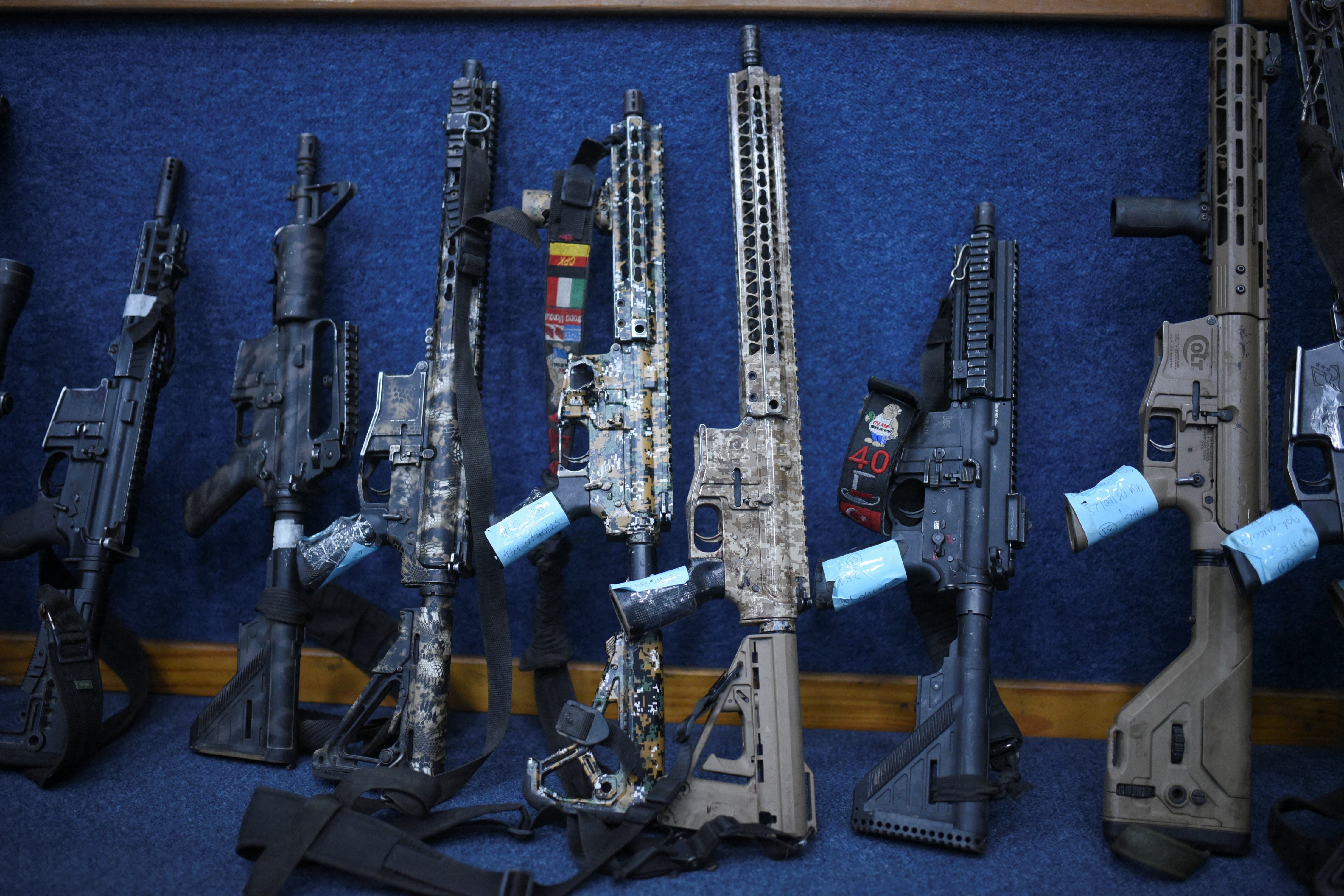
The Military Police of Rio de Janeiro has surpassed the milestone of 400 rifles seized in 2026, reaching this figure on Wednesday, May 15th. This accomplishment was marked by the removal of five additional assault-style weapons during anti-organized crime operations conducted in the capital and its metropolitan region. These seizures involved police units from the 18th BPM (Jacarepaguá), 9th BPM (Rocha Miranda), 7th BPM (São Gonçalo), and 35th BPM (Itaboraí), targeting criminal groups operating in these areas. The State Secretariat of Military Police stated these actions are part of a broader strategy against organized crime, employing planned operations, intelligence work, and visible policing. In the entirety of the previous year, 2025, the Military Police confiscated 5,226 firearms, including 811 rifles, along with 94,922 rounds of ammunition, 3,214 magazines, and 377 grenades. The 41st BPM (Irajá) leads the 2026 rifle seizure rankings with 77 weapons, followed by the 14th BPM (Bangu) with 41, the 18th BPM (Jacarepaguá) with 40, and the 12th BPM (Niterói) with 36. By May of 2026, intelligence data indicated 316 rifles had been seized, with approximately 90% found in territories controlled by the Comando Vermelho (CV) and Terceiro Comando Puro (TCP) factions, which accounted for nine out of every ten seizures up to that point.
The significant number of rifle seizures by Rio de Janeiro's Military Police highlights the persistent challenge of organized crime and arms trafficking in the region. The data indicates a strategic focus on dismantling heavily armed criminal factions, particularly the Comando Vermelho and Terceiro Comando Puro, which appear to dominate illicit arms acquisition. While increased seizures suggest enhanced law enforcement effectiveness, they also underscore the ongoing demand for and availability of such weaponry within these groups. Future policy considerations might explore supply-side interventions, intelligence sharing across jurisdictions, and socio-economic programs aimed at reducing recruitment into criminal organizations, all within the evolving landscape of urban security and technological advancements in crime prevention.
AI-generated to prompt reflection — not editorial opinion, not advice, not a statement of fact. How this works.