Rio de Janeiro Prosecutor's Office Flags Potential Misuse in Botafogo Building Expropriation
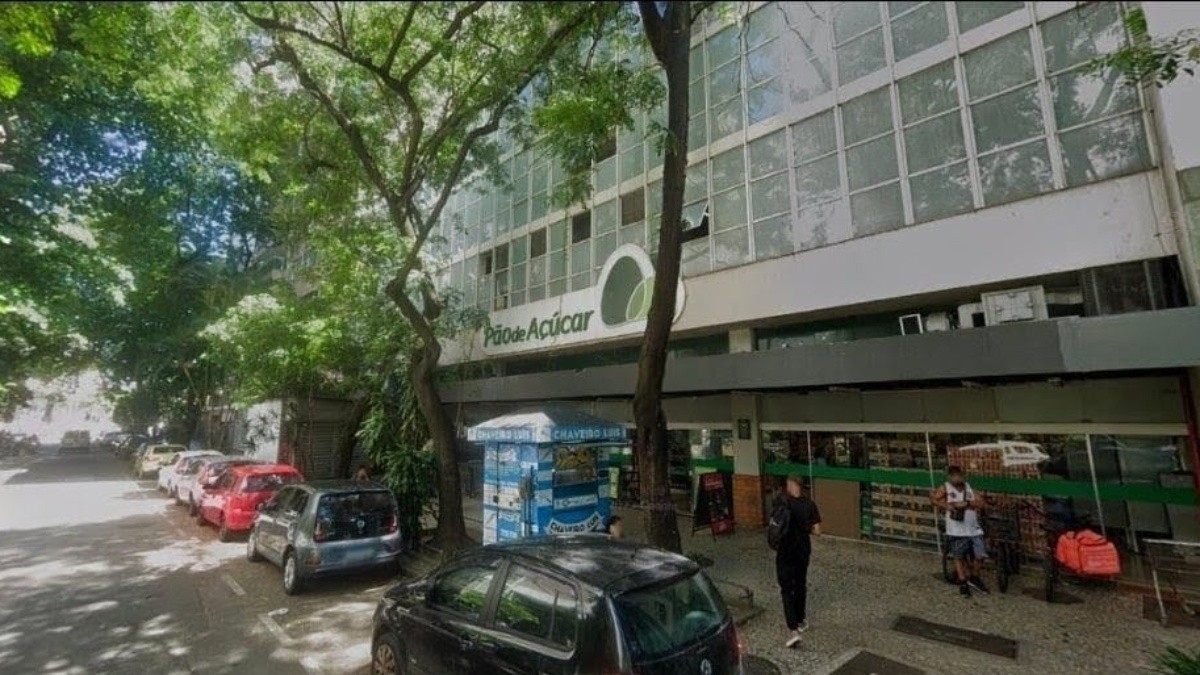
The Rio de Janeiro State Public Prosecutor's Office (MPRJ) has issued a favorable opinion supporting a popular lawsuit challenging the expropriation of a building in Botafogo, Rio de Janeiro. Prosecutor Marlon Oberst Cordovil stated that there are significant indications of a possible "deviation from purpose" in the city hall's decree to seize the property on Rua Barão de Itambi. The MPRJ considers the initial dismissal of the case premature, arguing that the gathered evidence warrants further legal investigation.
While definitive proof is still lacking, the prosecutor highlighted that the Mayor himself acknowledged the Fundação Getúlio Vargas's (FGV) prior interest in the property. This, coupled with the strategic location of the building for FGV's institutional interests, suggests potential violations of administrative principles like morality, impersonality, and purpose. The city had planned to use the building for an artificial intelligence research center and announced an auction with a minimum bid of R$ 36 million, which has since been suspended by the courts.
The property owner, Grupo Sendas, asserts that the prosecutor's opinion validates their claims of illegality and a misuse of the expropriation instrument. They argue that the process was intended for degraded areas, not for seizing an active commercial property to benefit a private institution. Grupo Sendas maintains the building was not abandoned or underutilized, housing an active gym and undergoing renovations for a new supermarket. Councilman Pedro Duarte, who filed the popular action, and local residents also oppose the expropriation, citing the building's active commercial use.
This case highlights a potential conflict between urban renewal initiatives and established property rights, particularly when public entities appear to facilitate private interests under the guise of public good. The prosecutor's opinion suggests that the expropriation decree may have been influenced by external institutional interests rather than solely by objective urban planning criteria. This raises questions about the governance framework surrounding public land acquisition and the transparency of decision-making processes. Moving forward, scrutiny of the selection criteria for expropriated properties and the alignment of such actions with broader public benefit, rather than specific institutional advantage, will be crucial. The legal process will need to balance the city's stated goals of technological development against the rights of existing businesses and property owners, ensuring that public power is exercised impartially and for the demonstrable benefit of the community at large.
AI-generated to prompt reflection — not editorial opinion, not advice, not a statement of fact. How this works.