Rio de Janeiro Reels from Devastating Windstorm, Leaving Destruction and Fatalities
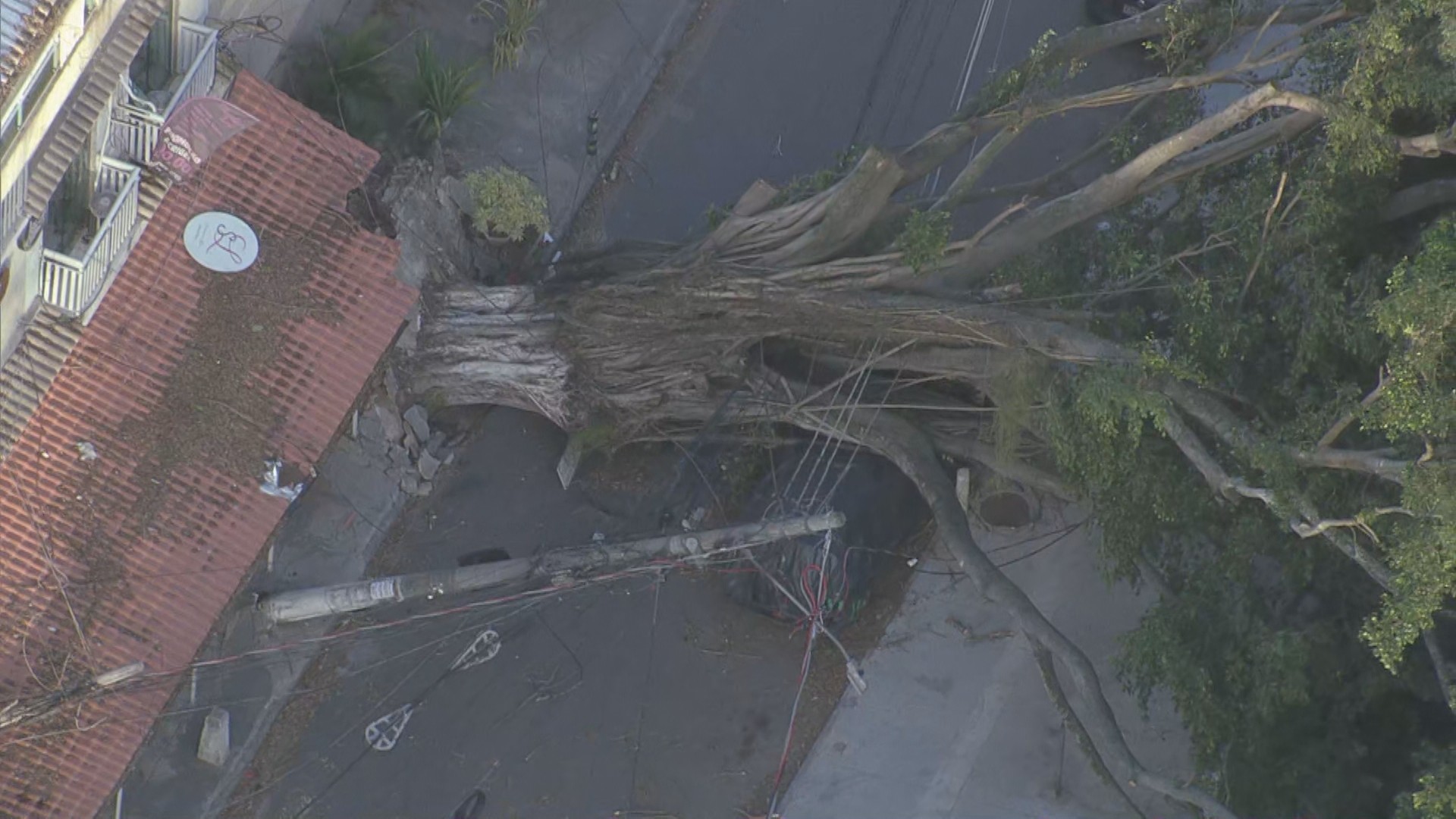
A powerful windstorm swept through the Rio de Janeiro Metropolitan Region on Wednesday afternoon, (date not specified, but implied to be the 29th), leaving a trail of widespread destruction. By Thursday morning, (date not specified, but implied to be the 29th or 30th), aerial footage revealed numerous fallen trees, extensively damaged roofs, and even destruction to stages and dressing rooms at the Cidade do Rock, the venue for the Rock in Rio festival. Tragically, at least five people lost their lives due to the storm's impact. Two fatalities occurred when a wall collapsed in Santa Teresa in the city's central region on Wednesday afternoon. Three other individuals died from electrocution in Cidade de Deus, in the Southwest Zone, early Thursday morning (the 30th) after a high-voltage power line broke. As of 7:30 AM, approximately 524,000 customers remained without electricity across the state, with 370,000 affected by Light and 154,000 by Enel. The Rio de Janeiro City Hall reported over 200 trees fell within the city, with Bangu, Campo Grande, and Santa Cruz in the West Zone, along with Anchieta, Catumbi, and Tijuca in the North Zone, and Jacarepaguá and Recreio dos Bandeirantes in the Southwest Zone being the most severely impacted areas. Visuals from Thursday morning depicted the extent of the damage, including a large tree toppling onto a road in Recreio dos Bandeirantes and a water tank being ripped from a 20-story building in Nova Iguaçu, also damaging a nearby square. In Irajá, a house lost its roof, and a section of the BRT Transoeste's Recanto das Garças station canopy was blown away, leading to its closure. The mayor of Rio de Janeiro, Eduardo Cavaliere, attributed the severe weather event to the effects of El Niño.
This severe weather event highlights the vulnerability of urban infrastructure to extreme meteorological phenomena, exacerbated by potential climate shifts such as El Niño. The widespread power outages and damage to public and private property underscore the need for robust urban planning and resilient infrastructure design. The fatalities resulting from structural failures and electrical hazards point to critical gaps in public safety protocols and maintenance of essential services. Future urban development strategies should integrate climate adaptation measures, including improved tree management, reinforced building codes, and enhanced emergency response systems, to mitigate the impact of such events and ensure public safety in an increasingly unpredictable climate future.
AI-generated to prompt reflection — not editorial opinion, not advice, not a statement of fact. How this works.