Rio de Janeiro Rental Market Faces Soaring Prices Amidst Supply Crunch
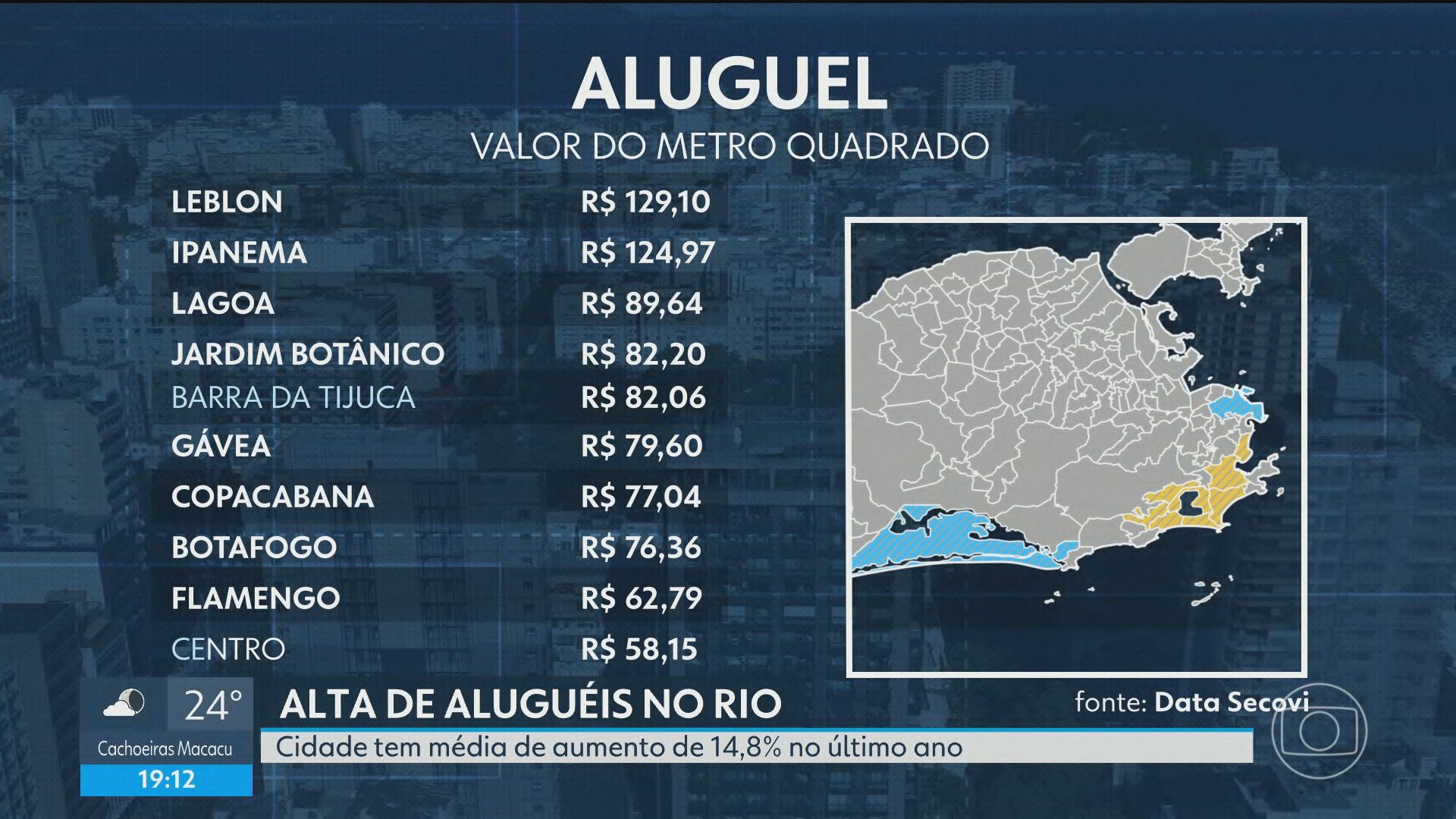
Rentals in Rio de Janeiro are becoming increasingly difficult to find, with a significant drop in available properties, rising interest rates, and a surge in short-term vacation rentals. Data from Secovi Rio reveals that the supply of traditional long-term rental properties has decreased by 31.8% between 2023 and 2026. This scarcity, coupled with higher interest rates making homeownership less accessible, is driving up rental prices across the city. Cultural producer Gustavo Canella shared his frustration, noting months of searching with few options and inflated prices, often finding only short-term rentals. Leonardo Schneider, vice-president of Secovi Rio, explained that reduced supply intensifies competition for leases, pushing prices higher for new tenants. Meanwhile, existing contracts are subject to pre-agreed index adjustments. The city's record tourism in 2025, with 10.5 million Brazilian and 2.1 million foreign visitors, has further incentivized property owners to convert units to short-term vacation rentals, according to Leonardo Mesquita, president of Ademi-RJ. This trend is particularly noticeable in tourist-heavy areas like the South Zone, where Leblon, Ipanema, and Lagoa command the highest rental prices per square meter. However, price increases are not confined to the South Zone, with areas in the North and West Zones also experiencing significant appreciation. The city center leads in annual rental price increases at 34.9%. High interest rates are also a major factor, as they deter potential buyers, forcing them to remain in the rental market and increasing demand. While rental prices have surged, property sale prices have risen at a much slower pace. Over the past three years, rents have increased by 38.09%, compared to an 11.34% rise in property sale prices. This divergence is attributed to high interest rates, reduced credit access, and decreased rental supply. Changing consumer behavior, including a greater preference for flexibility and financial investments over property ownership, also contributes to more people staying in the rental market. The percentage of Brazilians living in rented homes has risen from 18.4% in 2016 to 23.8% in 2025, with estimates for Rio de Janeiro approaching 28%. The market anticipates continued price pressure as long as rental supply remains low and interest rates stay elevated.
The Rio de Janeiro rental market is experiencing a significant imbalance driven by a confluence of economic and behavioral factors. A sharp decline in long-term rental supply, exacerbated by the lucrative short-term vacation rental market spurred by tourism, creates a competitive environment for prospective tenants. Simultaneously, elevated interest rates make home purchases less feasible, pushing more individuals into the rental pool. This dual pressure on supply and demand naturally leads to price inflation. The data indicates a widening gap between rental cost appreciation and property value growth, suggesting that rental yields are becoming more attractive to property owners relative to capital gains from sales. Future market dynamics will likely depend on policy interventions affecting short-term rentals, interest rate trajectories, and the overall economic health influencing both purchasing power and tourism levels. The increasing reliance on rentals also highlights evolving societal preferences for flexibility and financial liquidity over traditional homeownership.
AI-generated to prompt reflection — not editorial opinion, not advice, not a statement of fact. How this works.