Rio de Janeiro Rents Surge: Leblon Most Expensive, Downtown Sees Sharpest Rise
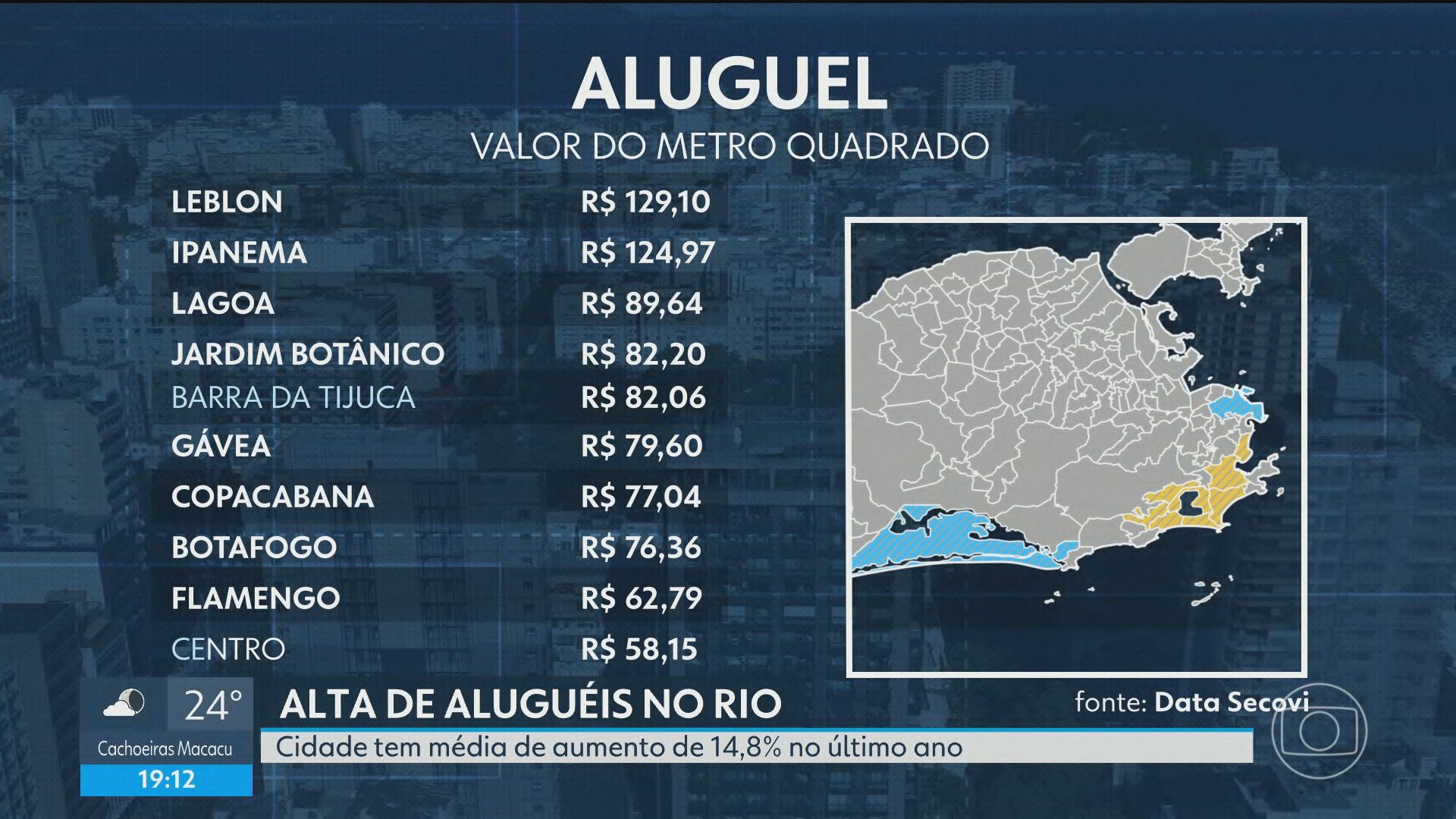
Rental prices in Rio de Janeiro have significantly increased, driven by a more than 30% drop in available properties, rising interest rates, and a surge in seasonal rentals. Data from Secovi reveals that the Leblon neighborhood continues to command the highest rental price per square meter in the city. Following Leblon, Ipanema and Lagoa are also among the most expensive areas. Notably, eight of the top ten most expensive neighborhoods for rentals are located in the affluent South Zone of Rio. The average rental cost per square meter in Leblon stands at R$ 129.10, with Ipanema at R$ 124.97 and Lagoa at R$ 89.64.
In terms of price appreciation over the past 12 months, the Downtown (Centro) area experienced the most substantial rent increase, rising by 34.9%. Jardim Botânico, Lagoa, and Botafogo also saw significant rent hikes, with six of the top ten appreciating neighborhoods in the South Zone. Vila Isabel, Barra da Tijuca, and Taquara also showed notable increases. In contrast, the sales market for properties experienced a more moderate appreciation, with only five neighborhoods exceeding the official inflation rate (IPCA of 4.64%) over the same period. Leblon also leads in property sales value, with its square meter exceeding R$ 26,000, one of the highest figures nationally.
The current surge in Rio de Janeiro's rental market, characterized by a sharp decline in supply and a significant increase in rental prices compared to sales, suggests a potential misalignment in housing market dynamics. This divergence, where rental yields are outperforming property appreciation, may indicate that property owners are prioritizing rental income over capital gains, possibly influenced by economic uncertainty or increased demand from short-term rentals. Over the next decade, such market conditions could exacerbate housing affordability challenges, potentially leading to increased demand for more accessible housing solutions or policy interventions aimed at stabilizing the rental market and ensuring equitable access to housing.
AI-generated to prompt reflection — not editorial opinion, not advice, not a statement of fact. How this works.