Rio de Janeiro Requests Federal Election Security Aid After Initial Refusal
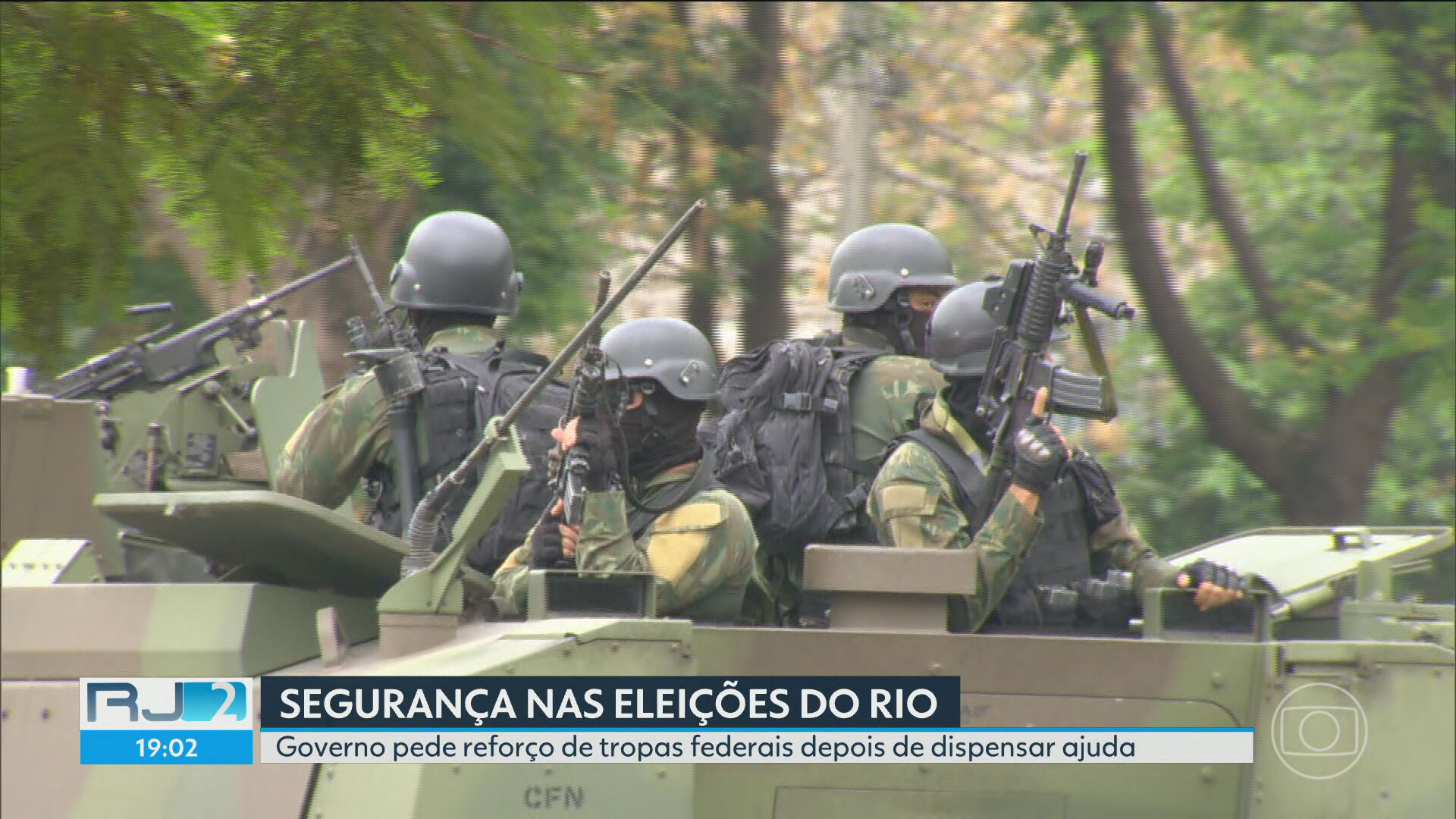
The state government of Rio de Janeiro has reversed its decision and requested federal troops to bolster security for the upcoming October elections. This comes approximately two weeks after the government informed the Electoral Justice system that state forces were sufficient to ensure the election's integrity. The new request was submitted by acting governor Ricardo Couto to the Regional Electoral Court of Rio de Janeiro (TRE-RJ) in late June. The government emphasized the "extreme importance" of federal forces cooperating with state agencies to safeguard voters, polling stations, and electronic voting machines, from transportation to safeguarding.
This marks a significant policy shift from the initial communication, where the state's security forces were deemed fully capable of managing the elections without federal assistance. The government now cites a meeting with the TRE-RJ as the reason for reconsidering, stating that while state forces retain operational capacity, federal support would enhance security and contribute to the election's regularity, integrity, and tranquility. This change in stance occurred amidst investigations by the Public Prosecutor's Office revealing organized crime's increasing infiltration into Rio de Janeiro's politics, including a recent operation targeting a state deputy suspected of aiding a drug trafficker. Despite these revelations, government insiders claim the decision was a precautionary measure to ensure federal troop availability if needed, as a prior refusal would have prevented later requests.
Federal troop deployment for election security has been a recurring measure in Rio de Janeiro due to the influence of criminal factions and militias. Beyond the municipal elections, Rio faces potential gubernatorial elections later this year, with the Supreme Court (STF) set to decide on a direct or indirect vote for a interim governor. Currently, acting governor Ricardo Couto is expected to remain in office until year-end. In the interim, the government has initiated administrative reforms, including dismissing alleged ghost employees, auditing public contracts, and restructuring government secretariats. The National Force of Public Security's deployment has also been extended until September to reinforce policing on federal highways, at Galeão International Airport, and on major expressways.
The Rio de Janeiro state government's shift from refusing to requesting federal election security highlights the complex interplay between state capacity, organized crime, and electoral integrity. The initial assessment of state sufficiency, followed by a request for federal aid, suggests a potential underestimation of security challenges or a reactive adjustment to evolving threats, possibly influenced by revelations of organized crime's political infiltration. This situation underscores the systemic challenge of maintaining secure democratic processes in regions with significant organized crime influence, where the line between state authority and illicit power can become blurred. The government's stated rationale of precaution, rather than direct response to investigations, points to a strategic approach to ensure all available resources are mobilized, reflecting a pragmatic response to potential future disruptions. This event prompts consideration of long-term strategies for strengthening state institutions against criminal encroachment and ensuring the resilience of democratic infrastructure in the face of persistent security concerns.
AI-generated to prompt reflection — not editorial opinion, not advice, not a statement of fact. How this works.