Rio de Janeiro Residents Can Seek Compensation for Power Outage Damages
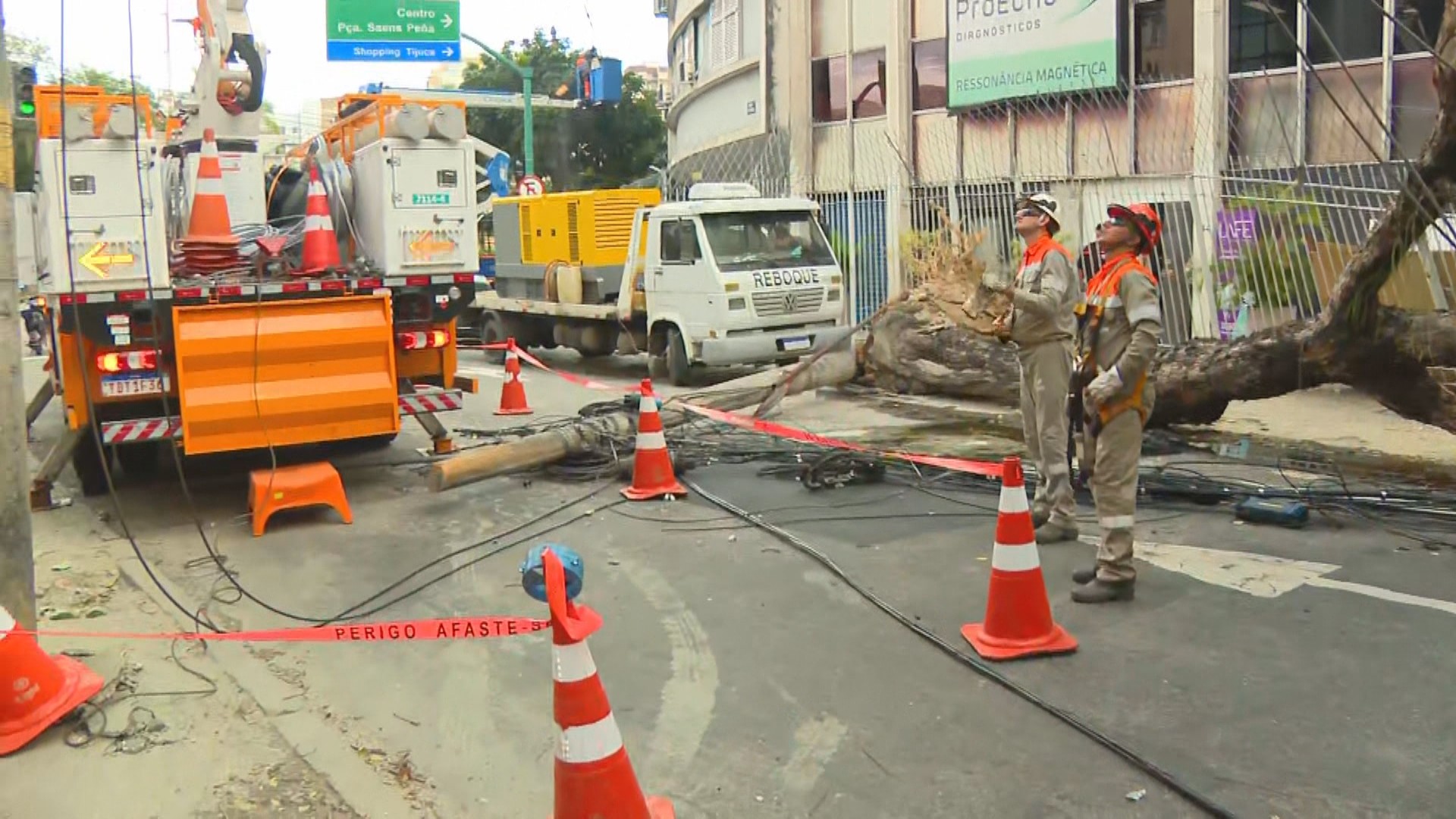
Thousands of homes in Rio de Janeiro lost power on Thursday, August 29th, due to strong winds that caused significant damage, including fallen trees. Consumers who suffered losses from damaged appliances or spoiled food because of the electricity interruption can now request compensation from the responsible energy company, Light. To initiate a claim for damaged equipment, individuals must provide the date and approximate time of the incident, along with the appliance's brand, model, and age. It is also advisable to retain service call protocols, receipts, technical reports, and repair estimates. Compensation can be offered through equipment repair, replacement with an equivalent item, payment for repair costs, or a cash settlement equivalent to the item's value. Consumers have up to five years to file a claim. The energy company is expected to respond to claims filed within 90 days of the damage within 15 days; for other cases, the response time is 30 days. Approved reimbursements should be processed within 20 days. For spoiled food, consumers should photograph the items before discarding them, keep purchase receipts, note the duration of the power outage, and submit all documentation to the energy company. If the company denies the claim, consumers can escalate their complaint to the State Secretariat for Consumer Defense or Procon-RJ. To streamline the process, it is crucial for consumers to document all losses with photos and videos, record the outage's timing and duration, keep all service call records, and preserve purchase documents. Damaged equipment should not be discarded before a potential inspection.
The recent power outages in Rio de Janeiro, attributed to severe weather, highlight the critical infrastructure vulnerabilities that impact consumer welfare and economic stability. While the provision for consumer compensation is a necessary recourse, the process itself can present challenges. Consumers must meticulously document damages and navigate bureaucratic procedures, potentially facing delays or denials from the utility provider. This situation underscores the systemic need for resilient energy infrastructure capable of withstanding extreme weather events, alongside transparent and efficient consumer protection mechanisms. Future planning should consider investments in grid modernization and clear protocols to ensure timely and equitable restitution for affected populations, thereby fostering trust and mitigating the broader socio-economic consequences of such disruptions.
AI-generated to prompt reflection — not editorial opinion, not advice, not a statement of fact. How this works.