Rio de Janeiro's artisanal fishing communities face extinction
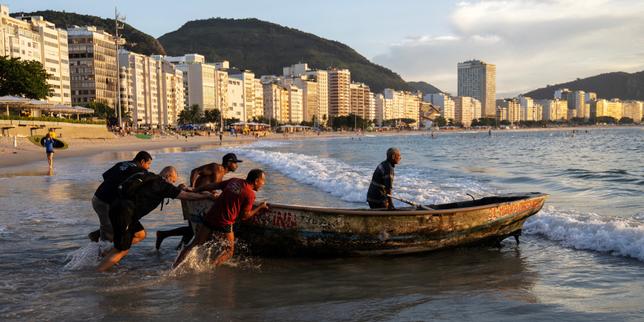
Artisanal fishing communities in Rio de Janeiro, some established over a century ago, are on the brink of disappearing. Their catches have significantly declined, primarily due to pollution and the impact of industrial fishing vessels. This environmental and economic pressure is compounded by a lack of generational succession, as younger generations are not taking up the traditional fishing practices. The situation threatens the cultural heritage and livelihoods of these long-standing communities. Without intervention, the unique way of life associated with these fishing groups may cease to exist in Rio de Janeiro.
The decline of Rio de Janeiro's artisanal fishing communities highlights a common tension between traditional livelihoods and industrial economic activities. Pollution and overfishing by larger vessels represent systemic challenges that artisanal fishers, with limited resources, are ill-equipped to combat. The lack of succession suggests that the economic viability and cultural appeal of this profession are diminishing, potentially driven by a combination of insufficient income, demanding work conditions, and the allure of alternative opportunities. Addressing this issue may require integrated strategies that include environmental remediation, sustainable fishing regulations that protect small-scale operations, and initiatives to support and modernize artisanal fishing to ensure its long-term survival and cultural preservation.
AI-generated to prompt reflection — not editorial opinion, not advice, not a statement of fact. How this works.