Rio de Janeiro's 'Dollarization' Drives Residents Out of Tourist Hotspots
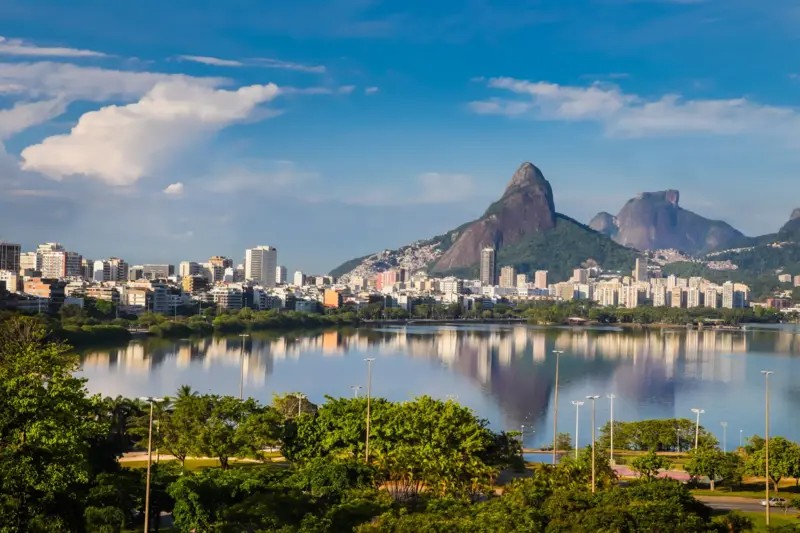
Rising rental costs in Rio de Janeiro are forcing long-term residents to relocate from popular neighborhoods favored by tourists and investors, with some even leaving the city altogether. Rodrigo Gicovate, a 37-year-old actor and public servant, moved from Copacabana to Niterói two years ago due to the unsustainable cost of living. He found that even shared accommodation in Rio became prohibitively expensive, with studio apartments in the city center costing more than R$2,000 per month, exceeding the budget for an average Brazilian salary. After experiencing a mugging attempt and facing financial strain, Gicovate sought a more affordable lifestyle in Niterói, where he now pays R$2,200 for a smaller apartment and enjoys a significantly reduced commute and improved quality of life. He believes the increasing international appeal and "dollarization" of Rio's economy contribute to the escalating prices, making the city increasingly exclusive.
Other residents are opting to stay within Rio but are moving to less sought-after neighborhoods. Matheus Borges Assis, 31, relocated from Copacabana to Vila Isabel in the North Zone about two and a half years ago as property prices in areas near the metro continued to climb. While his rent is comparable to more central areas, he enjoys better living conditions, including a balcony and garage, at a lower overall cost. Although Vila Isabel offers fewer transport options and services, Assis finds the trade-off worthwhile for the more authentic Carioca atmosphere, contrasting it with the high tourist presence in the South Zone.
Real estate data confirms the trend, with the average price per square meter for rentals in Rio increasing by 42.7% from May 2023 to May 2026, significantly outpacing inflation. This surge is particularly pronounced in one-bedroom apartments, with prices rising 51.4% over three years. South Zone neighborhoods like Copacabana, Ipanema, and Leblon have seen rental prices more than double in the same period. This boom coincides with Rio's growing international profile, attracting a record number of foreign tourists and a rising number of digital nomads. While the number of digital nomad visas issued is still relatively small, experts suggest the actual presence of remote workers may be higher, further increasing demand for short and medium-term rentals in prime areas.
The escalating cost of living and rental market dynamics in Rio de Janeiro illustrate a common urban challenge: the displacement of long-term residents due to increased demand from tourism and international investment. This phenomenon, often termed 'gentrification' or in this context 'dollarization,' creates an economic incentive structure where property owners can achieve higher yields from short-term rentals or cater to higher-income international tenants. Consequently, local wage earners face reduced affordability, potentially leading to a loss of community diversity and social fabric. Looking ahead, cities balancing international appeal with resident well-being must consider innovative housing policies and urban planning strategies. These could include rent stabilization measures, incentives for affordable housing development, or zoning regulations that protect established residential areas from speculative market pressures. The long-term sustainability of a global city hinges not only on its attractiveness to visitors and investors but also on its capacity to remain accessible and livable for its own citizens.
AI-generated to prompt reflection — not editorial opinion, not advice, not a statement of fact. How this works.