Rio de Janeiro Schools Install Solar-Powered Alarms to Deter Cable Theft
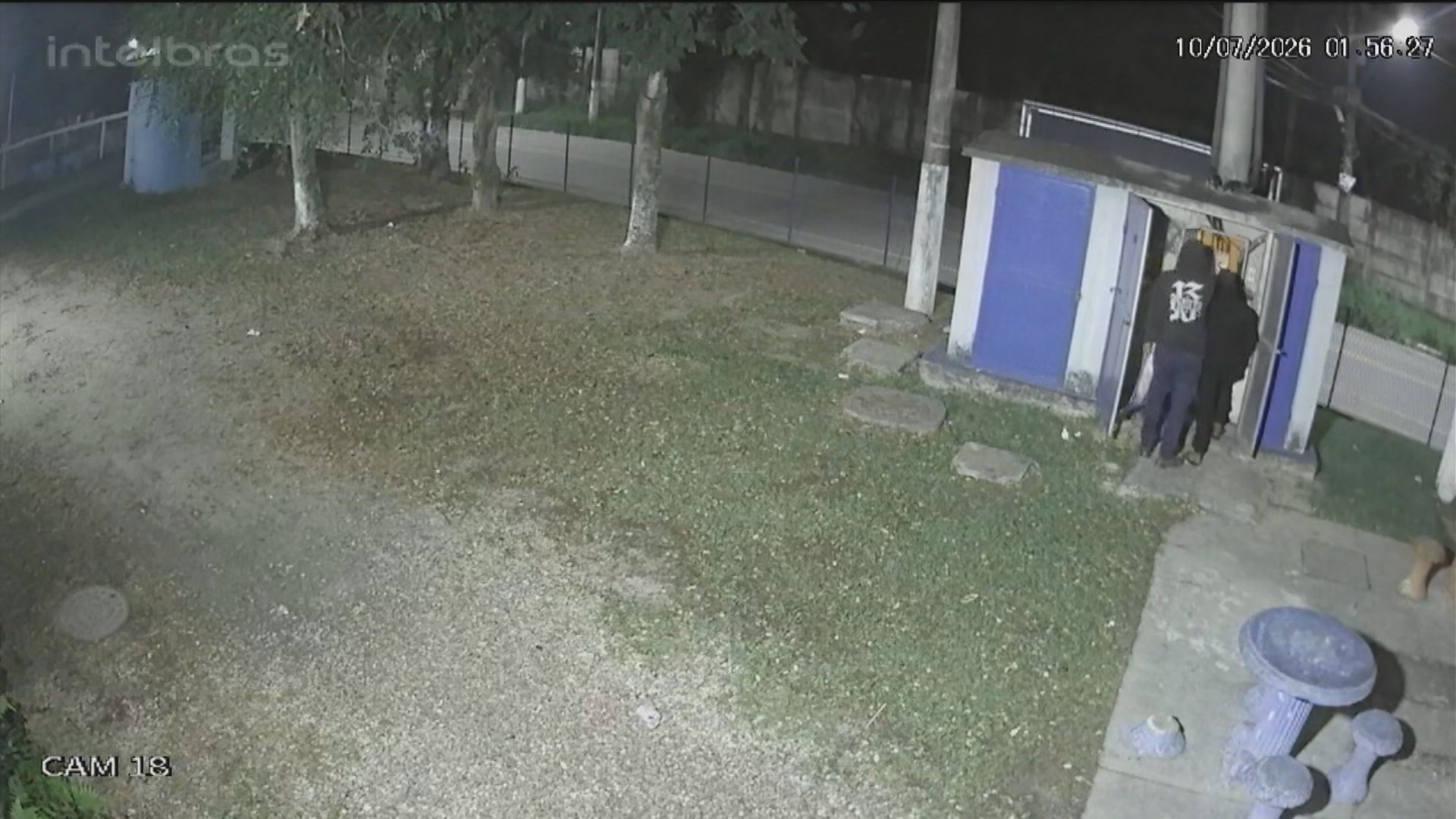
The Rio de Janeiro State Education Secretariat (Seeduc) has begun installing a new solar-powered alarm system in over 1,200 schools across the state to combat the theft of electrical cables. This initiative aims to prevent disruptions to classes caused by criminals stealing wiring, which often leaves dozens of students without lessons. The solar-powered equipment operates independently of the main power grid, ensuring functionality even if wires are cut or vandalized. Schools that have been victims of theft are undergoing repairs and simultaneously receiving the new security devices. The first school to be equipped was Ciep Brizolão 320 Ercília Antônia da Silva in Duque de Caxias. The system proved its effectiveness shortly after installation. On July 10th, three individuals reportedly arrived by car and scaled the school's wall in the early morning hours, attempting to steal recently replaced wiring. Upon cutting the wires, the high-volume alarm was automatically triggered, startling the intruders and causing them to flee. Seeduc suspects an organized criminal group specializing in cable theft from state schools, noting their planned approach involving vehicles. The secretariat has filed police reports and is cooperating with investigations to identify and apprehend those responsible. This new alarm system is expected to significantly reduce cable theft incidents, which have caused substantial financial losses and operational disruptions throughout the state's educational network.
The implementation of solar-powered alarms by the Rio de Janeiro State Education Secretariat addresses a critical infrastructure vulnerability impacting educational continuity. By deploying independent, off-grid security technology, the initiative seeks to mitigate recurring losses and disruptions caused by organized cable theft. This proactive measure highlights a systemic challenge where essential public services are susceptible to criminal exploitation, necessitating technological countermeasures. The strategy's success will likely depend on the scalability of the solution across the vast school network and the effectiveness of law enforcement in dismantling the suspected criminal organizations. Future considerations might include exploring integrated security networks and community-based vigilance programs to create more resilient educational environments against such threats, particularly in the context of increasing reliance on powered infrastructure for modern learning.
AI-generated to prompt reflection — not editorial opinion, not advice, not a statement of fact. How this works.