Rio de Janeiro Sees Coldest Night of the Year, Vila Militar Hits 11.5°C
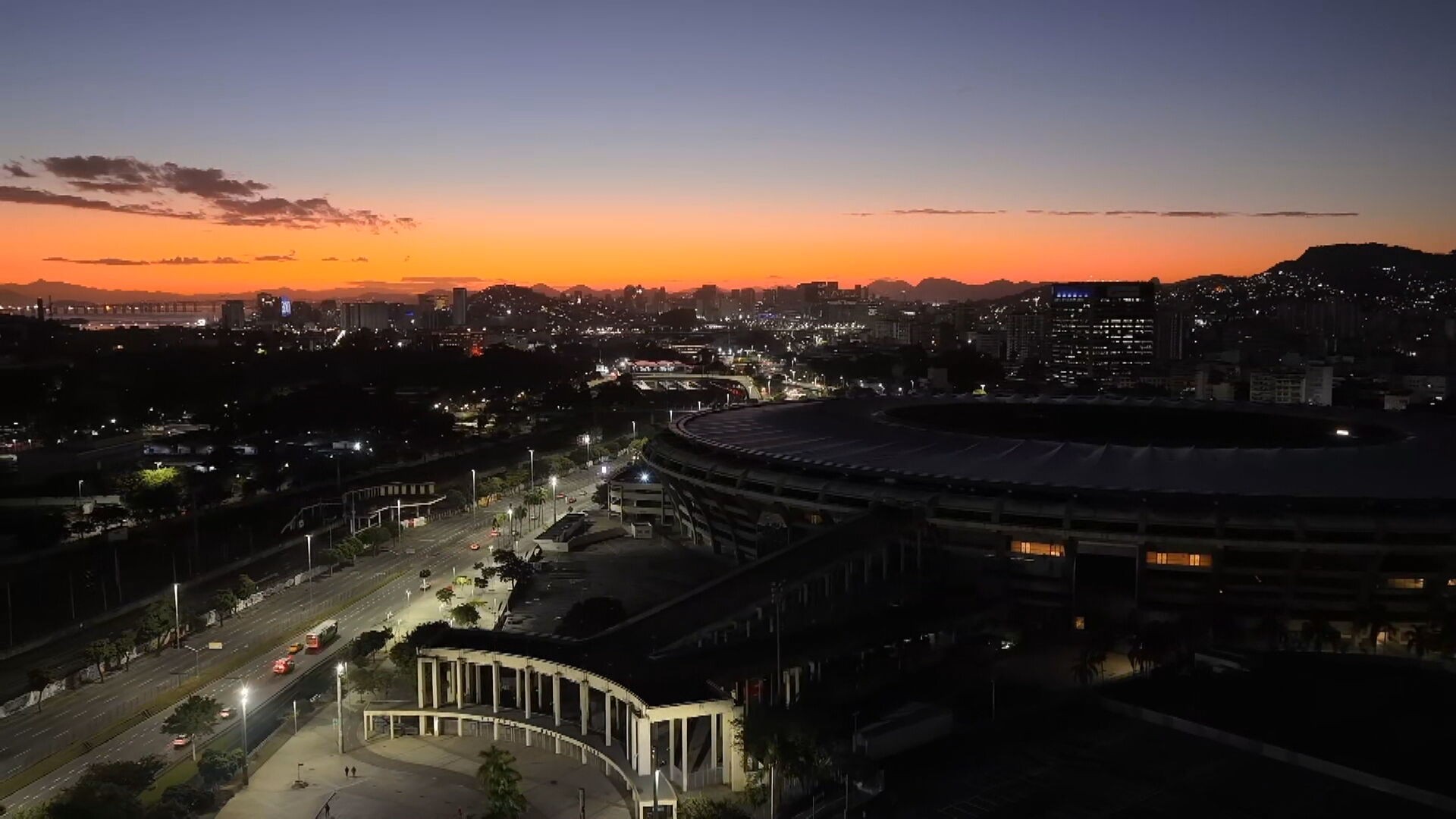
The city of Rio de Janeiro experienced its coldest night of the year on Wednesday, June 15th. The Vila Militar district recorded a low of 11.5°C at 6 AM. In the Serrana region, Nova Friburgo registered an even colder temperature of 3.7°C at 4 AM. According to weather service Climatempo, the significant drop in temperature was due to reduced cloud cover since Tuesday night, which allowed for more pronounced heat loss from the surface. The Itatiaia National Park also set a record for the year, recording -11°C and observing a frozen lake. A high-pressure system is currently influencing Rio de Janeiro's weather, leading to more stable conditions across the state. While some areas may experience morning fog, the sun is expected to appear more prominently, with temperatures rising above previous days, reaching a high of 24°C in the capital. The coast, from Costa Verde to Região dos Lagos, will see stronger winds, with gusts up to 50 km/h near the sea. Thursday morning (June 16th) is still predicted to be chilly, but temperatures are expected to climb, with a forecast high of 26°C in the capital. The outlook for the state is sunny with no rain.
The report details a significant temperature drop in Rio de Janeiro, attributed to meteorological factors like reduced cloud cover and a high-pressure system. This event highlights the natural variability of weather patterns and their immediate impact on daily life, including record-breaking low temperatures. From a systemic perspective, understanding and predicting such atmospheric shifts are crucial for urban planning and resource management, particularly in densely populated coastal areas. As climate systems evolve, the frequency and intensity of extreme weather events, whether heatwaves or cold snaps, may present ongoing challenges for infrastructure and public preparedness. Analyzing these patterns can inform strategies for climate resilience and adaptation in diverse urban environments.
AI-generated to prompt reflection — not editorial opinion, not advice, not a statement of fact. How this works.