Rio de Janeiro Sees Nearly 4x Higher Car Theft Rate Than National Average
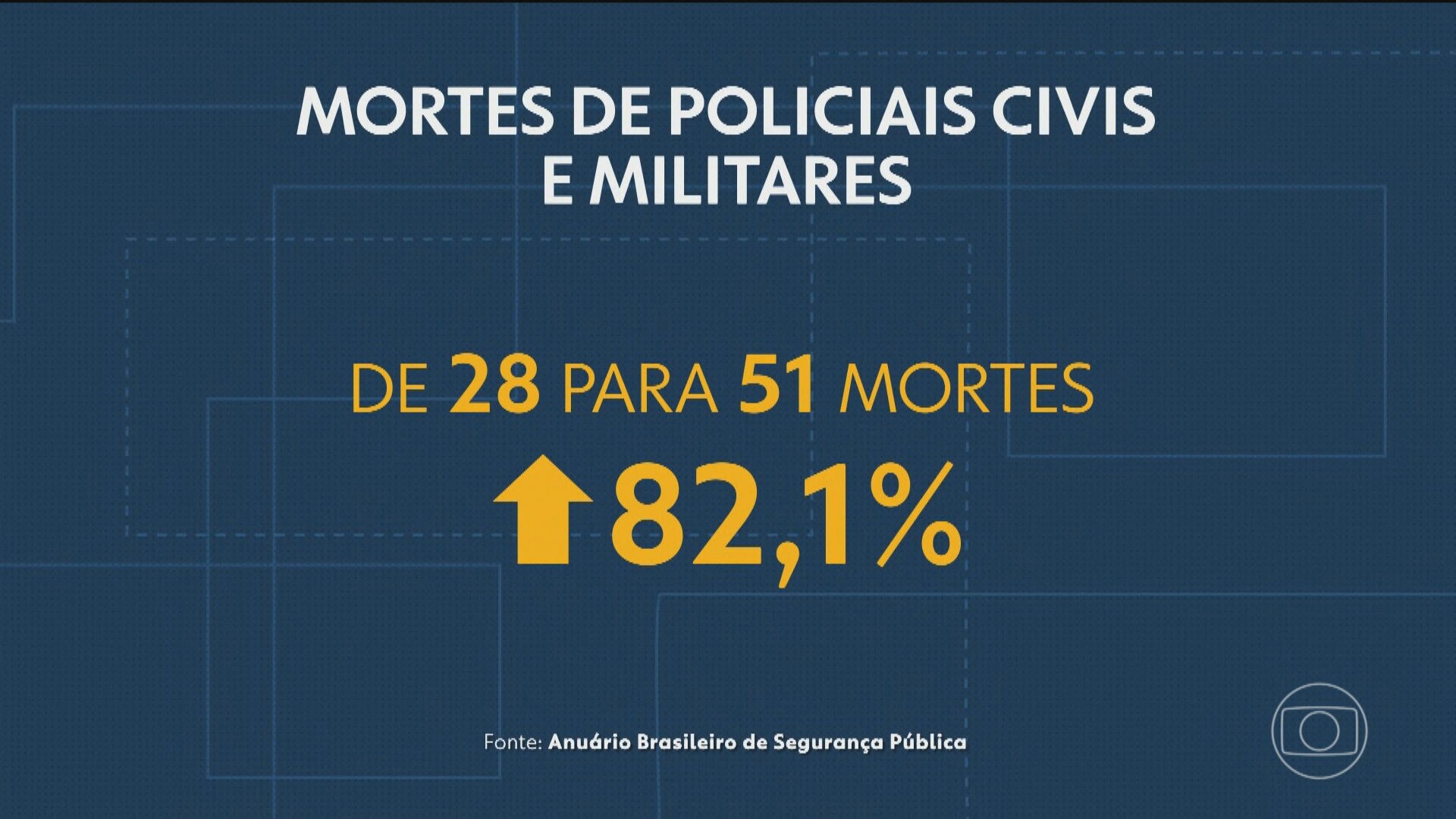
A new report reveals that Rio de Janeiro state continues to face a significantly higher risk of vehicle theft compared to the rest of Brazil. Despite a 21% decrease in absolute numbers of vehicle thefts in the state during 2025, the 20th Brazilian Public Security Yearbook indicates Rio still holds the highest proportional theft rate. With 305.3 thefts per 100,000 registered vehicles, this rate is nearly four times the national average of 80.9. São Paulo, despite having the largest vehicle fleet and traditionally high absolute numbers, reported a rate of 70.8 per 100,000 vehicles, less than a quarter of Rio's rate. The yearbook, compiled by the Brazilian Public Security Forum (FBSP) using data from various government security agencies, also highlighted other concerning trends in Rio. The state was the sole Brazilian state to experience an increase in cell phone thefts in 2025, with a 19.4% rise, contrasting with an 18.6% national decrease. When considering both theft and robbery of cell phones, only Rio de Janeiro and Paraíba saw an increase, with Rio's rising by 22.7%. Furthermore, intentional violent deaths in Rio increased by 2.1% in 2025, placing it among seven states with such a rise. This indicator includes homicides, femicides, robbery-homicides, injuries resulting in death, deaths from police intervention, and police fatalities. The FBSP attributed a significant portion of this increase to Operation Contenção in Complexo da Penha, which resulted in 122 deaths, including five police officers, and was identified as the deadliest police operation on record in Brazil. These 117 deaths from police intervention constituted 2% of the national total and 15% of Rio's yearly total for such incidents. Without this operation, Rio would not have shown an increase in police-caused deaths compared to the previous year. Notably, one in every five intentional violent deaths in Rio was attributed to police intervention, accounting for 20.5% of all such deaths in the state. The state also led the nation in the number of murdered police officers, with a dramatic 82.1% increase from 28 in 2024 to 51 in 2025, surpassing São Paulo's 30. However, not all crime indicators worsened; robbery-homicide cases fell by 22.2% in Rio, better than the national reduction of 16.5%, and cargo theft also decreased by 9.4%. Femicides remained relatively stable, with 107 cases in 2024 and 105 in 2025.
The data from the 20th Brazilian Public Security Yearbook underscores persistent security challenges in Rio de Janeiro, particularly concerning vehicle and cell phone theft, and violent crime. While national trends show decreases in some categories, Rio deviates, indicating localized systemic issues. The disproportionately high vehicle theft rate, even with a reduction in absolute numbers, suggests that the state's fleet size and the effectiveness of law enforcement in deterring this specific crime require re-evaluation. The unique increase in cell phone thefts, coupled with a rise in intentional violent deaths, points to complex dynamics possibly related to organized crime and the impact of large-scale police operations. The FBSP's analysis of Operation Contenção highlights a critical trade-off between aggressive law enforcement tactics and their contribution to violent death tolls, raising questions about proportionality and alternative strategies. The significant increase in police fatalities also demands attention to officer safety and the risks associated with policing in high-crime areas. While improvements in robbery-homicide and cargo theft rates offer some positive signals, the overall picture suggests that a comprehensive, multi-faceted approach is necessary to address the root causes of crime and improve public safety in Rio de Janeiro over the next decade, potentially involving community engagement and more targeted, less confrontational policing methods.
AI-generated to prompt reflection — not editorial opinion, not advice, not a statement of fact. How this works.