Rio de Janeiro Sees Rise in Cell Phone Thefts, Alone Among Brazilian States
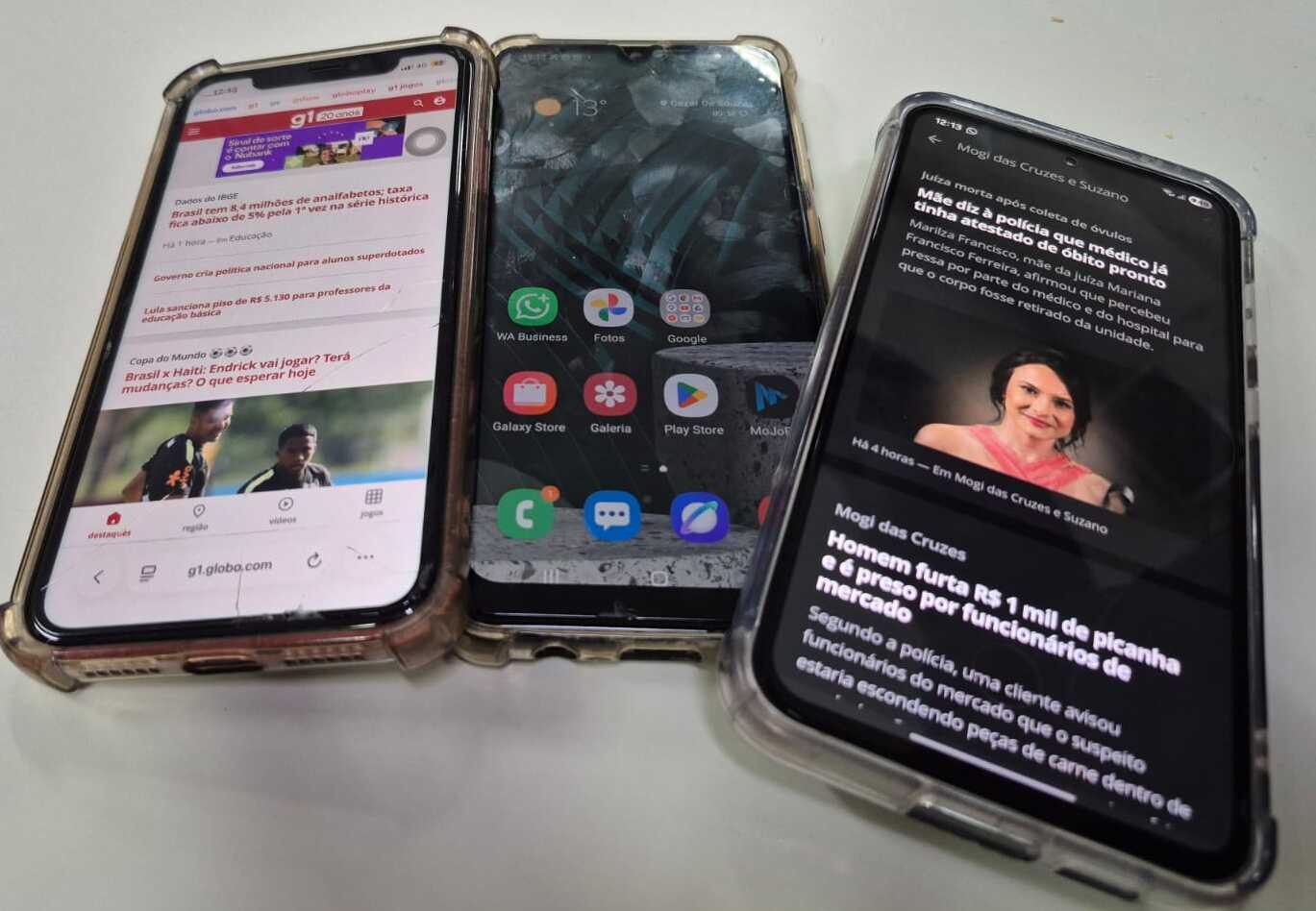
A new report reveals that Rio de Janeiro is the only Brazilian state to experience an increase in cell phone robberies, defying a national trend of declining incidents. The 20th Brazilian Public Security Yearbook, released by the Brazilian Public Security Forum (FBSP), indicates a 19.4% rise in cell phone robberies in Rio de Janeiro, with 25,581 cases in 2025 compared to 21,416 in 2024. This contrasts sharply with the rest of Brazil, which saw an 18.6% decrease in such crimes. The state also reported a significant 24.6% increase in cell phone thefts, with cases rising from 37,397 in 2024 to 46,606 in 2025, an increase of nearly 10,000 occurrences. Combined, robberies and thefts of cell phones in Rio de Janeiro rose by 22.7%.
Data from the state's Public Security Institute (ISP-RJ) underpins these figures, highlighting that cell phones are valuable targets due to their resale value and access to banking applications. Researchers note that these crimes are likely underreported, as many victims do not file police reports. The study also identified distinct patterns: thefts are more common on weekends, while robberies peak on weekdays, particularly Fridays. The city of Rio de Janeiro itself ranks 20th nationally for cell phone robberies and thefts, with a rate of 793.7 incidents per 100,000 inhabitants. Furthermore, the state saw a substantial 25.8% increase in cell phone receivership cases, contributing to a national rise of 3.3% in this related crime.
The data from the 20th Brazilian Public Security Yearbook presents a concerning divergence in crime trends for Rio de Janeiro concerning cell phone theft and robbery. While national efforts appear to be curbing these specific offenses, Rio's unique upward trajectory suggests localized systemic challenges. Examining the underlying incentives, such as the black market value of stolen devices and the potential for financial fraud, is crucial. The significant increase in receivership offenses further indicates a potential disconnect in law enforcement's ability to disrupt the entire criminal supply chain. Future policy considerations might need to address not only prevention and enforcement but also the economic drivers and the effectiveness of prosecution for those facilitating the resale of stolen goods, particularly in the context of evolving digital financial ecosystems.
AI-generated to prompt reflection — not editorial opinion, not advice, not a statement of fact. How this works.