Rio de Janeiro State Deputy Rafael Nobre Denounced for Criminal Organization and Bid Rigging
The Public Prosecutor's Office of Rio de Janeiro state has formally accused State Deputy Rafael Nobre (União Brasil) and São João de Meriti councilman Julio Ricardo dos Santos Henriques, known as Magrão Nobre (União Brasil), along with eight other individuals. The charges include criminal organization, bid rigging, ideological falsehood, and money laundering. The Rio de Janeiro Court of Justice issued search and seizure warrants for locations linked to the suspects, including Nobre's office at the Legislative Assembly of Rio de Janeiro (Alerj) and the São João de Meriti Municipal Chamber.
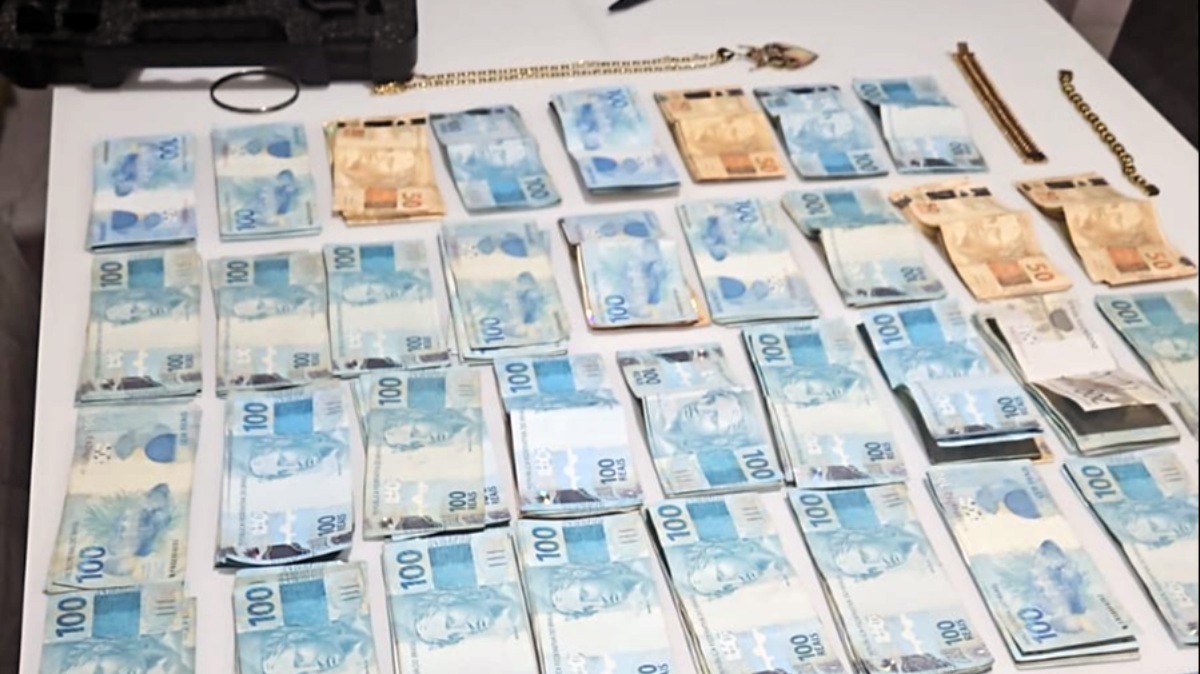
According to the indictment, Rafael and Magrão allegedly controlled a network of companies used to manipulate public tenders and embezzle funds through contracts with the municipalities of Magé and Japeri. Investigators seized R$21,000 in cash from Nobre's home and R$45,000 from Henriques' residence. The investigation suggests these companies coordinated to create the illusion of competition in bidding processes, employing straw men, forged documents, and complex financial transactions to conceal the illicit origins of funds.
The accused allegedly secured approximately 45 contracts, valued at R$357.9 million, for supplying food to hospitals, schools, and municipal secretariats, though the current criminal proceedings focus on three specific agreements. The alleged scheme began in 2017, during which time Rafael Nobre served as a councilman in Nilópolis. Companies implicated in the operation include Nutrifoods Refeições, Inovar Comércio e Serviços de Terceirização, King Food Alimentos, and J&G Restaurante. The prosecution seeks the return of at least R$357.9 million to public coffers and the forfeiture of the parliamentary mandates of those denounced.
This case highlights systemic vulnerabilities in public procurement processes, particularly concerning the alleged use of shell companies and straw owners to manipulate bids and divert public funds. The investigation's focus on multiple municipalities and a significant volume of contracts suggests potential weaknesses in oversight mechanisms across different administrative levels. Moving forward, strengthening transparency in bidding, implementing more robust due diligence on corporate beneficiaries, and enhancing inter-agency cooperation for financial crime investigation could mitigate future risks. The substantial sum sought for restitution underscores the importance of accountability in safeguarding public resources against organized corruption.
AI-generated to prompt reflection — not editorial opinion, not advice, not a statement of fact. How this works.