Rio de Janeiro State Government Establishes Offices to Oversee Territorial Reoccupation Plan
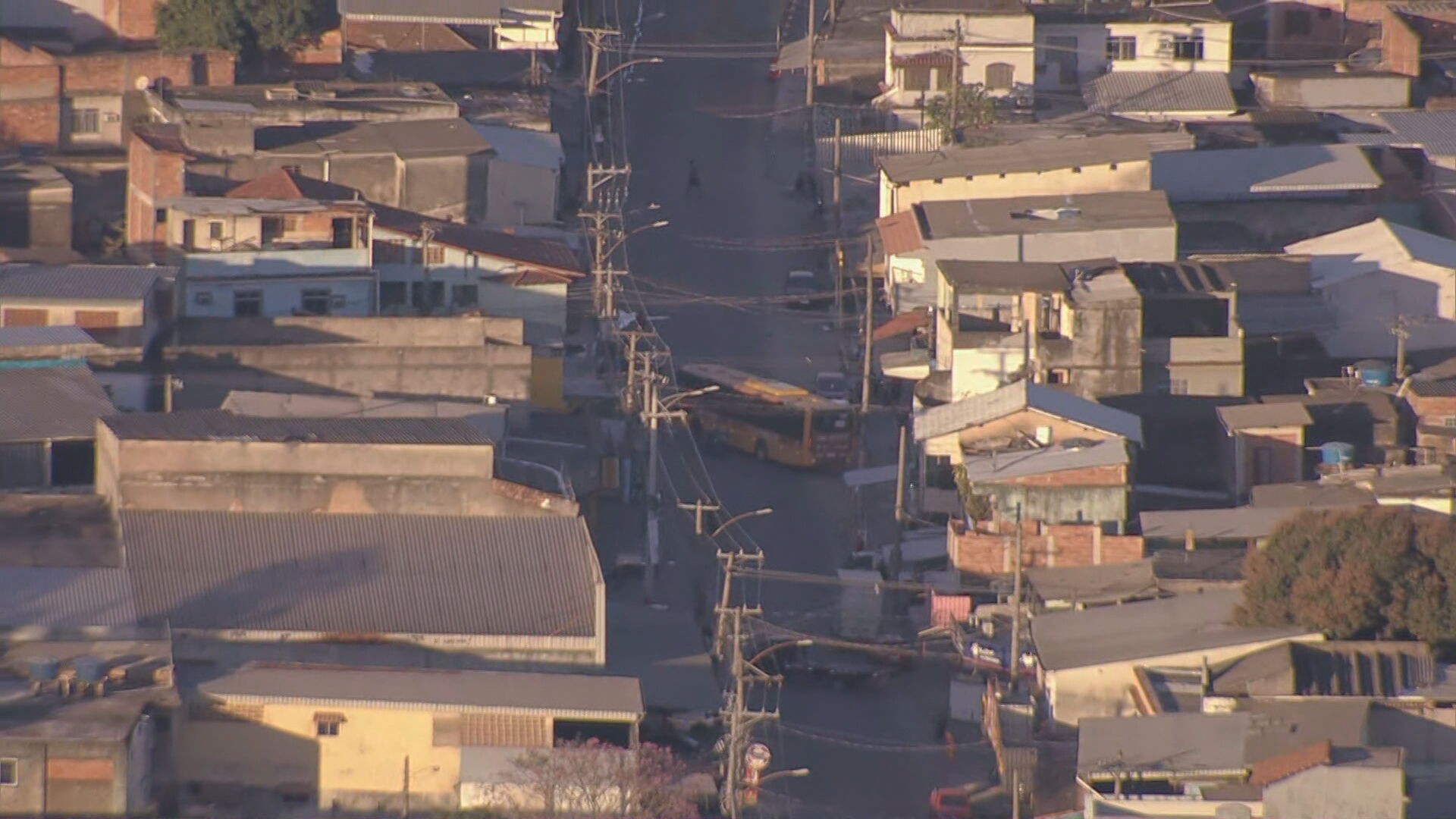
The Rio de Janeiro State Government has officially established two new offices to coordinate and monitor its Territorial Reoccupation Plan. Published on Friday, November 31st, in the Official Gazette, the decree creates the Integrated Management Cabinet (GGI/RJ) and the Integrated Territorial Management Cabinet (GIGT). These bodies will be overseen by the State Secretariat of Public Security and will include representatives from various public agencies, civil society, and residents of the targeted areas. The GGI/RJ will be responsible for devising the reoccupation strategies, while the GIGT will focus on the operational discussion and implementation of these strategies on the ground. This policy aims to reclaim areas controlled by organized crime and aligns with directives from the Supreme Federal Court (STF). The government's vision extends beyond mere security presence, intending to integrate public services, infrastructure, and social policies into these territories. The GGI/RJ will facilitate collaboration among state, municipal, and federal bodies, as well as judicial institutions, to define reoccupation strategies. The GIGT, with its operational focus, will bring together representatives from five key areas: Security and Justice; Social Development; Urbanism and Infrastructure; Economic Development; and Governance and Sustainability. Community members will have a voice in the GIGT, contributing to monitoring and defining initiatives based on local needs. The plan's full implementation is contingent on the STF's approval, which was submitted in December, though no timeline for review has been set. Following strategic plan approval, the GGI will develop tactical and operational plans, which do not require judicial review. The tactical plan will detail the sequence of actions, such as infrastructure projects, while the operational plan will outline ongoing maintenance and daily routines. The state aims for a comprehensive "reoccupation of the State," ensuring a permanent presence with services and infrastructure, not just law enforcement, to guarantee the freedom of residents.
The establishment of these dedicated government offices signifies a structured approach to addressing complex territorial control issues, moving beyond reactive security measures. By integrating diverse stakeholders, including civil society and residents, the plan attempts to foster legitimacy and long-term sustainability. The dependency on Supreme Court approval highlights the legal and political challenges inherent in such large-scale interventions. Future success will likely hinge on the effective coordination between security, social services, and infrastructure development, ensuring that the state's presence is perceived as beneficial and enduring, rather than purely coercive. The plan's multi-stage development (strategic, tactical, operational) suggests a recognition of the intricate planning required, but the timeline remains a critical variable, especially given the current judicial review process.
AI-generated to prompt reflection — not editorial opinion, not advice, not a statement of fact. How this works.